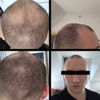
A user is frustrated with slow hair regrowth despite using minoxidil, finasteride, and microneedling. Others suggest trying dutasteride or oral minoxidil for potentially better results.
A 20-year-old has been using 1.25mg finasteride daily and 5% minoxidil twice a day for seven months with no side effects, noticing thicker hair but no reversal of hairline recession. Users discuss the effectiveness of finasteride and minoxidil, with some mentioning additional treatments like derma rolling and lifestyle changes.
The conversation discusses increasing the dose of oral minoxidil from 2.5mg to 5mg for better hair density, with concerns about potential side effects like heart rate changes and fluid retention. Users suggest consulting a doctor, considering individual tolerance, and exploring other treatments like dutasteride.
The user is concerned about hair loss and is considering treatments like finasteride and minoxidil but is unsure about their effectiveness and side effects. They have experienced mixed reactions to shaving their head and are struggling with confidence due to balding.
The user has high DHT levels despite using dutasteride, which may not be effective due to potential damage or spoilage. They are considering a hair transplant if DHT levels don't decrease after two years.
Dutasteride is reported to have fewer side effects than Finasteride, with some users experiencing higher libido and fewer sexual side effects on Dutasteride. However, individual responses vary, and some users find Finasteride more tolerable.
The conversation discusses the use of finasteride for hair loss treatment and addresses misconceptions about its use in hormone replacement therapy. It also touches on the safety and long-term effects of finasteride, with some users expressing skepticism and others defending its safety profile.
Doctors recommend starting with minoxidil for hair loss due to its lower risk of side effects compared to finasteride. Some believe finasteride should be used early to address the root cause, but a conservative approach is preferred by medical professionals.
Switching to Amazon for finasteride prescriptions can save money, with a 90-day supply costing around $17 for Prime members. Oral minoxidil requires monitoring, so a local doctor is needed for that prescription.
Genetics play a major role in hair loss, with some people keeping a full head of hair into old age without using treatments like minoxidil or finasteride. Many express frustration over their own hair loss and the perceived unfairness of genetic differences.
People are using lower doses of finasteride than the recommended 1mg daily due to concerns about side effects, cost, and new data suggesting lower doses can be nearly as effective. Some users report stability or slight improvements with lower doses, but the effectiveness compared to 1mg daily is debated.
Finasteride is used for hair loss, with mixed reports of no side effects and claims of long-term negative effects known as Post Finasteride Syndrome (PFS). The conversation debates the existence and causes of PFS, with differing opinions on whether it is psychological or real.
Switching from finasteride to dutasteride improved erections, sex drive, and mood for one user, though experiences vary widely. Some users report fewer side effects with dutasteride, while others experience more severe issues or hair loss.
Dutasteride may affect semen parameters but not significantly enough to impact fertility unless baseline fertility is already low. Finasteride and minoxidil are used for hair regrowth, with no side effects reported by one user.
Asian dermatologists are more open to prescribing finasteride, while in some regions, medications like finasteride and minoxidil can be obtained without a prescription. In Europe, particularly France, there are stricter regulations requiring patients to acknowledge potential side effects, but many people find ways to obtain these treatments through various means.
Finasteride prescriptions in France now require an annual certificate acknowledging psychiatric and sexual risks, as the European Medicines Agency recognizes these risks. The conversation discusses the potential mental health effects of Finasteride, with some users reporting side effects and others questioning the statistical significance of these findings.
Finasteride helps with hair loss by lowering DHT levels in the scalp, which is more important than blood DHT levels. If finasteride is not effective, consulting a doctor or considering switching to dutasteride may be advisable.
Finasteride, dutasteride, and minoxidil are discussed as treatments for male pattern baldness. Finasteride and dutasteride are effective DHT blockers, while minoxidil is necessary for regrowth but must be used consistently.
A 25-year-old male has been treating hair loss for six months using 5% minoxidil once daily, 0.02% DIY topical finasteride once daily, and microneedling every two weeks. He reports increased hair density and some regrowth, particularly vellus hairs, and plans to continue the regimen, possibly adding oral finasteride in the future.
Minoxidil is showing noticeable hair regrowth, but users suggest adding finasteride for better results and longer-lasting effects. Concerns about finasteride's side effects are discussed, but many users report minimal issues.
Many people are switching from Finasteride to Dutasteride for hair loss treatment, believing Dutasteride to be more effective and sometimes experiencing fewer side effects. Some users report initial shedding with Dutasteride but suggest it may lead to better long-term results, while others experience side effects or choose to combine treatments like Minoxidil.
OP is using finasteride and minoxidil for hair loss but hasn't seen results after four months. Users advise that noticeable results typically take a year or more, and suggest daily dosing for effectiveness.
A 19-year-old plans to use an experimental hair loss treatment stack including micro-needling, Minoxidil, Pyrilutamide, Ketoconazole shampoo, and other unreleased compounds like PP405. Users advise against using unverified treatments and suggest sticking to proven options like Finasteride, with some recommending topical application to avoid side effects.
The user experienced significant hair shedding after starting and stopping minoxidil and finasteride, leading to thin hair and personal distress. They are currently on oral finasteride without side effects and are advised to maintain consistent treatment and consider additional options like microneedling and oils.
The conversation is about using dutasteride 0.5mg, minoxidil 5%, and RU58841 for hair loss treatment. Users discuss dosage, potential side effects, and experiences with these treatments.
The user reported noticeable hair thickening after 10 days of using oral minoxidil and finasteride, but others suggested it might be an April Fool's joke or a placebo effect. The user also mentioned a high protein intake and regular gym workouts, while others discussed concerns about finasteride's side effects.
The conversation discusses hair loss treatments, mentioning minoxidil, finasteride, RU58841, VDPHL, GT20029, and follicle cloning as potential solutions. It also reveals that the discussion about PP405 was an April Fool's joke.
The conversation discusses hair loss treatments, specifically the use of finasteride and dutasteride. Users share experiences of shedding and varying effectiveness, with some suggesting adding minoxidil or a topical anti-androgen for better results.
PP405 shows promise in activating dormant hair follicles and increasing hair counts but lacks detailed efficacy data compared to minoxidil and finasteride. Opinions are mixed, with some optimism and skepticism about its effectiveness.