Concerns about using topical minoxidil with tretinoin around toddlers due to potential exposure. Some suggest using oral minoxidil instead to avoid risks.
Finasteride reduced dandruff and scalp oiliness by lowering DHT, which decreases sebum production. Users also noted improvements with Nizoral and dutasteride.
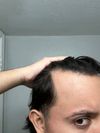
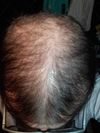
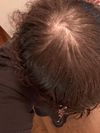
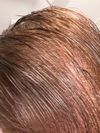
The user shared progress pictures and discussed their hair loss treatment routine, which includes minoxidil, finasteride, Nizoral, dermastamping, tretinoin, rosemary oil, hair peptides, biotin, and collagen supplements. They are seeking advice on hair transplantation, minoxidil application, and the impact of testosterone replacement therapy on hair loss.
A 25-year-old woman with androgenic alopecia is experiencing hair dryness and damage after using topical minoxidil and Nizoral. She is advised to reduce washing frequency, use a bond builder like K18, apply a silicone-based serum, and consider using a shower filter and different oils like argan oil for better hair health.
The user has been using 1.25mg finasteride, topical minoxidil twice daily, microneedling, biotin supplements, and ketoconazole shampoo for 10 months, noticing thicker hair and some density improvement. They are considering oral minoxidil but are cautious about potential side effects.
Nizoral 1% shampoo can be used continuously for hair loss, but it may cause dryness, which can be managed with conditioners. Some users combine it with other treatments like minoxidil and AHK-Cu for better results.
The user is concerned about hair loss and is hesitant to use treatments like finasteride and minoxidil due to potential side effects. Another user suggests gradually introducing finasteride to minimize side effects and maximize results.
A 29-year-old male with diffuse thinning plans to start minoxidil and finasteride soon but is concerned about potential shedding before a big event in late April/early May. He is considering whether to start treatment now or wait until after the event.
A 30-year-old is seeking advice on hair loss treatment, currently using oral minoxidil, finasteride, mesotherapy, and a supplement. They are experiencing shedding and are anxious about the effectiveness of the treatment, asking if they should continue or consider other options like topicals or microneedling.
A user shared progress pictures after two months of using a topical solution with finasteride (0.1%) and minoxidil (0.5%) for hair loss, reporting no side effects and minimal shedding. They are considering continuing the treatment due to its effectiveness.
The user experienced dryness and shedding with topical minoxidil and switched to oral minoxidil 2.5mg, seeking advice on what to expect. They are concerned about scalp health and looking for others' experiences with this change.
A user experienced hair loss and texture changes, tried minoxidil and finasteride, and considered antihistamines like Cetirizine for potential histamine issues. They reported improved alertness but continued shedding.
Natural DHT blockers caused negative side effects like weak erections and depression, while finasteride improved overall well-being and cleared acne. Users shared similar experiences, finding finasteride effective without the adverse effects of natural treatments.
A 24-year-old man is experiencing hair shedding after starting Minoxidil and Creatine, and is concerned about accelerated hair loss. A user suggests that Creatine does not increase DHT levels and recommends considering oral Dutasteride, low-dose oral Minoxidil, and Ciclopirox Shampoo, advising consultation with a doctor.
The user shared their hair loss progress over a few months using minoxidil, finasteride, RU58841, and microneedling. They reported reduced hair loss and plan to continue their routine, possibly increasing dosages gradually.
The user has been using 1.25 mg Finasteride and topical Minoxidil once a day for six months with positive results and no side effects. They emphasize the importance of continuing the medication to maintain hair regrowth and discuss the potential benefits and side effects of different dosages.
Users discuss ketoconazole shampoos for hair loss, mentioning Nizoral, selsun blue, and alternatives like prescription strength options and compounded lotions to reduce dryness. Some users suggest using finasteride and minoxidil instead, questioning the cost-benefit of ketoconazole.
The user experienced significant hair shedding and dryness after starting minoxidil 8 months post-hair transplant, despite using finasteride and oils like castor and pumpkin seed oil. They expressed concern over the loss of density and the appearance of a failed transplant.
The user is seeking a quicker-drying carrier for RU58841 and Minoxidil to improve adherence to their hair loss treatment routine. They want to apply it after a morning shower without affecting their hair's appearance.
Minoxidil is causing severe scalp irritation, including itchiness and dryness, for the user. Alternatives suggested include anti-fungal treatments, propylene-glycol-free formulations, and possibly oral minoxidil.
A user shared an 8.5-month update on their hair transplant of 1064 grafts done by Dr. Kaan Pekiner in Ankara, Turkey, costing $3500. They are also using finasteride 2.25 mg weekly and have reduced shampoo use.
The user shared their 3.5-month progress using topical minoxidil, ketoconazole shampoo, and dermarolling for hair loss, and plans to start finasteride. They experienced relief from scalp issues with ketoconazole and are managing side effects from minoxidil.
A user experienced significant hair regrowth by switching from finasteride and minoxidil to dutasteride, along with using a leave-in conditioner, rosemary shampoo, and a hair powder drink. They noted improved hair health and thickness, attributing success to this regimen and advising others on similar treatments.
The user experienced hair regrowth and darker hair using finasteride daily, minoxidil nightly, and occasional dermarolling. They noticed significant progress, especially in hair density, and are considering increasing minoxidil use despite itchiness from wearing a hat.
To reduce oily hair, wash the scalp thoroughly with shampoo and avoid touching the hair with hands. Applying a watery body lotion to wet hair may also help lessen oiliness.
The user is experiencing diffuse hair thinning despite using finasteride and oral minoxidil, with no hairline recession or bald spots. Suggestions include checking for telogen effluvium, considering a JAK inhibitor for potential autoimmune issues, and conducting further tests to rule out other causes.
Hair loss progress pictures can be misleading due to differences in lighting, hair length, and wetness, making it hard to accurately assess changes. Treatments mentioned include minoxidil and finasteride, with some users expressing skepticism about their effectiveness.
A user reported using 1.25mg finasteride daily for 9 months with positive hair growth results and increased libido but slower beard growth. Other users commented on the appearance of straightened vs. natural curly hair and potential hair damage from straightening.
A user shared their 4-year hair regrowth journey using 1mg finasteride daily and 5% minoxidil daily, reporting no side effects and noticeable improvement after 6 months. They also use a derma roller to help distribute the minoxidil foam.