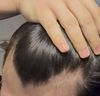
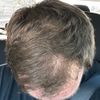
A 23-year-old is using 1mg finasteride daily and topical minoxidil nightly, seeing new hair growth after two months. Others share experiences and advice, noting progress and potential shedding.
The safety of combining alfatradiol and fluridil with finasteride as a potential treatment for male pattern baldness, which is approved in the European Union. Other treatments such as minoxidil and RU58841 were also discussed.
The user is currently using alfatradiol and fluridil for hair loss and is considering adding low-dose topical finasteride but is concerned about potential side effects due to past mental health issues. They are seeking others' experiences with these treatments and their effectiveness.
Using ketoconazole shampoo can cause hair dryness, especially when combined with Minoxidil. Users suggest using conditioner, adding oils like rosemary and peppermint, or reducing shampoo frequency to mitigate dryness.
The conversation humorously discusses hair loss treatments, focusing on the use of finasteride and dutasteride, with some users debating the effectiveness and cost of different dosages. Some users mention using topical minoxidil and express concerns about side effects and availability of higher doses.
A 42-year-old is using dutasteride, oral and topical minoxidil, ketoconazole, and a dermaroller for hair loss, with noticeable progress after six months. They are questioning if further gains are possible and considering stopping the dermaroller, as advised that future improvements may only involve hair thickening.
An 18-year-old is maintaining a stable hairline using Minoxidil, topical finasteride (Fynzur), and Dermastamp, and is considering adding oral finasteride for prevention. They seek advice on whether starting oral finasteride early is necessary given their family history and current regimen.
The conversation is about a 21-year-old using finasteride, dermarolling, ketoconazole shampoo, hair growth serums, and exosome therapy to treat early-stage thinning on the crown. They are questioning if these treatments are sufficient to improve hair thickness.
A woman experiencing hair loss and facial hair growth suspects PCOS or androgenic alopecia and is considering treatments like Rogaine, but is concerned about the cost. She has tried various hair care methods and is awaiting a hormone doctor appointment, while others suggest she may have a hormonal imbalance and recommend seeing a gynecologist or trying cheaper versions of Rogaine.
The user experienced significant hair shedding after long-term use of finasteride and dutasteride and is now considering trying RU58841 as a last resort. They have checked health factors and suspect stress and poor sleep may contribute to the shedding, but they are determined to try RU58841 to see if it helps with androgenetic alopecia.
The user has been taking small doses of Finasteride, mixed with Stemoxydine, which has helped maintain their existing hair but not regrow new hair. They're considering dissolving the Finasteride in high-alcohol content drinks for easier administration and are seeking opinions on this method.
A user started finasteride for hair loss and saw improvement, but is now experiencing shedding and thinning in new areas. They added Nizoral due to dandruff caused by finasteride. Replies suggest that shedding is normal around 6 months and advise to stick with the treatment.
The user shared their 6-month progress using 0.25 mg finasteride, topical minoxidil, and dermastamping, noting good results but experiencing increased sleepiness. Another user suggested minoxidil might be causing the sleepiness, and the original poster considered adjusting their treatment.
User took 1mg finasteride daily and 2% ketoconazole weekly for 5 months, seeing slight hairline regrowth and no major side effects except temporary dry eyes. They encourage others to try finasteride despite negative stories online.
Switching to dutasteride as a hair loss prevention treatment, along with minoxidil, dermarolling and nizoral shampoo, and the potential benefits and side effects of using finasteride and/or dutasteride in combination with topical anti-androgens like RU58841.
RU58841 is being mixed with Minoxidil solution, but concerns arise about water causing instability. Mixing with water may lead to hydrolysis, potentially reducing effectiveness.
The user experienced initial success with topical finasteride 0.025% and melatonin but noticed rapid hair thinning after three months. They are considering switching to a higher dose of topical finasteride or oral finasteride, as advised by others, while being cautious about potential side effects.
The user has been using finasteride inconsistently for 2 years and minoxidil for 6 months without seeing hair growth. They are considering switching to dutasteride and restarting minoxidil to address thinning at the right temple, with advice suggesting consistent use for better results.
The user experienced significant hair growth using minoxidil 5%, finasteride 0.1% topical, dermarolling, and Nizoral shampoo, with only dry scalp as a side effect. They noted improved results after increasing the finasteride concentration.
The user reports taking high dosage oral minoxidil (10mg/day) for hair growth, which causes facial bloating. They tried using the diuretic furosemide to reduce bloating, but it was ineffective.
Exploring potential treatments for hair loss, with the focus being on comparing RU58841 and Pyrilutamide. Finasteride, Dutasteride, oral Minoxidil, microneedling, topical Minoxidil, Biotin, Zinc, Vitamin D and Nizoral are also discussed as part of a treatment stack.
The user experienced hair regrowth using dutasteride daily, microneedling weekly, and Nizoral shampoo, after stopping minoxidil due to side effects. They also use a mix of pumpkin seed, rosemary, and peppermint oil, and are considering RU58841 for more temple area thickness.
The user switched from finasteride to dutasteride in January and noticed increased crown thinning, despite using minoxidil with rosemary, biotin, and castor oil. They are concerned about hair loss and considering visiting a clinic for further advice.
The user started using 5% liquid minoxidil on their scalp and noticed increased facial dryness and faster facial hair growth. They plan to reduce the application to once a day to see if it helps with the dryness.
Dutasteride may have fewer side effects than finasteride, with some users experiencing better hair maintenance. Experiences vary, with some preferring dutasteride for fewer side effects, while others see no significant hair improvement.