Search
for
Sort by
Community Join
600-630 / 1000+ resultscommunity How to get a 2.5mg dutasteride prescription in the US?
The conversation discusses increasing dutasteride dosage to 2.5mg for hair loss treatment, with suggestions to take multiple 0.5mg pills due to the unavailability of 2.5mg tablets in the US. Users also mention using ketoconazole and express skepticism about the effectiveness and safety of high doses.
community 5 Months – Topical Fin (0.3%), Min (6%), Microneedle Weekly 1.5mm, 40 y/o
A user's progress with hair loss treatments over 5 months, using topical finasteride (0.3%) and minoxidil (6%), as well as weekly microneedling sessions; other users have asked questions about the results and offered compliments.
community What has your 0.5mg/daily dutasteride timeline been?
Many users report switching from finasteride to dutasteride with mixed results, often experiencing increased shedding and minimal regrowth. Some users find dutasteride more effective in slowing hair loss, while others see no improvement or even regression.
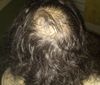
community 26M Seeking Advice on Crown Hair Regrowth After 5 Years of Neglect Due to Mental Health Issues
A 26-year-old experiencing crown hair loss after years of neglect due to mental health issues is advised to improve diet, wash hair regularly, and consider using Minoxidil and Finasteride for regrowth.
community Pelage Pharmaceuticals’ PP405 and its Impact on Follicular Regeneration to be Presented at the American Academy of Dermatology (AAD) Annual Meeting 2026
PP405 shows promise in regenerating hair by activating dormant follicles. Other treatments like VDPHL01 and Breezula are also advancing, providing new hope for hair loss solutions.
community Drastic loss after stabilization for 5 years of DHT blockers, topical minoxidil, nizoral shampoo
A 27-year-old is experiencing significant hair loss despite using a combination of 0.5mg dutasteride daily, topical minoxidil, nizoral shampoo, and vitamin D optimization, and is now starting zinc supplementation. Suggestions include considering other causes, possibly increasing dutasteride dosage, switching to oral minoxidil, or maintaining the current regimen and reassessing in six months.
community PP405 is out for sale on everychem.
PP405 is suspected to be a scam, with users doubting its legitimacy and effectiveness. Many recommend using proven treatments like finasteride and minoxidil.
community Comparing the effect of T suppression and DHT suppression
Trans women discuss using finasteride and dutasteride for hair loss and whether to continue after testosterone suppression. One user reduced dutasteride dosage after achieving undetectable testosterone levels.
community 28M 0.5MG DUT 5MG MIN - PROGRESS PIC & THANKS
A 28-year-old male shares progress on hair loss treatment using 0.5mg dutasteride and 5mg minoxidil, experiencing initial shedding but encouraged by community support. He also uses ketoconazole occasionally based on scalp oiliness.
community So Pyrilutamide has been postponed by one year. How likely is that to happen to GT20029
The conversation discusses the delay in the release of a new hair loss treatment, Pyrilutamide, and speculates on potential safety concerns as a reason for the delay. It also mentions GT20029 as another future treatment option, with a release at least five years away, and touches on the avoidance of research chemicals due to uncertainty about their authenticity.
community What is the next step for me? Help me bros. Dut 2.5 or RU?
The user is experiencing hair loss and is considering increasing their dutasteride dosage or trying RU58841, but is concerned about the effectiveness and side effects. Other users suggest sticking with dutasteride 0.5 mg daily and adding oral minoxidil for better results.
community 17M with Diffuse Thinning, Dandruff, and Body Hair Shedding
A 17-year-old is experiencing diffuse thinning, dandruff, body hair shedding, and other symptoms, possibly linked to seborrheic dermatitis or telogen effluvium. They are using ketoconazole shampoo and considering blood tests to check for thyroid issues or deficiencies.
community Dut once a week vs finaster 0.25mg daily? What maintains better?
community Starting 5mg oral min after being on 2.5mg since February
The user is increasing their oral minoxidil dosage from 2.5mg to 5mg after using 1mg finasteride and topical minoxidil foam for over three years without desired results. They have also been microneedling and using tretinoin cream, recently increasing the tretinoin dosage to 0.1%.
community FDA Policy Shift Explained: What It Actually Means for PP405, VDPHL-01, Breezula and Hair Loss Drug Timelines
The FDA policy change may speed up approval for hair loss drugs like PP405, VDPHL-01, and Breezula by potentially eliminating the need for a second confirmatory Phase 3 trial. Approval timelines could be as early as 2028 for some treatments if Phase 3 results are strong.
community We need actual hair loss studies on Epristeride
Epristeride is a selective 5 alpha reductase type 2 inhibitor that may reduce scalp DHT similarly to finasteride, with potentially fewer side effects. It is suggested that combining epristeride with finasteride or dutasteride could enhance hair loss treatment effectiveness.
community Is PP405 marketed as an alternative to finasteride? Will we no longer need to crush dht?
PP405 is discussed as a potential alternative to finasteride, but its effectiveness and market availability are uncertain. Users share experiences with finasteride, minoxidil, and topical treatments, noting side effects and application techniques.
community Is S5 plus cream an okay alternative to finasteride?
The conversation discusses using S5 plus cream (Spironolactone, Alfatradiol, and Tempol) as an alternative to finasteride for hair loss, with concerns about its effectiveness and potential systemic absorption. The original poster already uses 5% minoxidil and is seeking alternatives due to fears of finasteride's side effects.
community Moving to 5mg Oral Minoxidil? Is it safe?
The conversation discusses increasing the dose of oral minoxidil from 2.5mg to 5mg for better hair density, with concerns about potential side effects like heart rate changes and fluid retention. Users suggest consulting a doctor, considering individual tolerance, and exploring other treatments like dutasteride.
community 1 year update! Thinking of reducing my dose from 1mg to .5mg per day.
User shared a 1-year update on finasteride, noting thicker hair but mild side effects like reduced libido and mild ED. Considering reducing the dose from 1mg to 0.5mg daily to alleviate side effects.
community Here's an actual crazy dut shed
A user switched from finasteride to dutasteride and from topical to oral minoxidil, experiencing significant hair shedding. They plan to continue this regimen for a year before deciding on any changes.
community 5 weeks tretinoin, severe shed and thinning.
The user has been using minoxidil for 5 years and finasteride for 7 months, with recent addition of tretinoin cream causing significant hair shedding. Other users suggest the shedding indicates effectiveness and recommend continuing tretinoin use.
community Verteporfin Update #4: Month 5 | Dr Blake Bloxham, Feller & Bloxham Medical
The conversation discusses patient updates on hair loss treatment with Verteporfin after five months, as reported by Dr. Blake Bloxham. Patients voluntarily sent their progress pictures to Dr. Bloxham.
community [M30] Constant swing between continuing or quitting Finasteride
A 30-year-old man is considering quitting Finasteride due to sexual side effects, including reduced libido and difficulty reaching orgasm, despite its effectiveness in treating hair loss. He is exploring other factors like relationship issues and potential low testosterone, and is considering getting blood work done.
community Anyone else not have hobbies anymore because of this?
The user is expressing an obsession with hair loss and spends all their time researching and discussing it. Other users suggest seeking therapy and focusing on other aspects of life.
community Any updates on upcoming hair loss medication?
The conversation discusses updates on hair loss treatments, specifically GT20029, PP405, and a rumored injectable peptide from UT. GT20029 is seen as a promising treatment expected within 5-7 years.
community Dutasteride and anal with partner
Using dutasteride anally as a hair loss treatment, with humorous and satirical comments on its effects and implications.
community Why I Will be Accepting Baldness
User decides to accept baldness due to mental health issues with finasteride. Others suggest considering hair systems, topical finasteride, or RU58841 as alternatives.
community Pelage, PP405, is creating a database for potential new trial volunteers
PP405 is a new hair loss treatment targeting dormant hair follicles, with ongoing trials. Some users consider stopping finasteride and minoxidil to join trials, while others doubt its effectiveness.