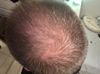
Kx-826 at 0.5% shows limited effectiveness for hair loss, while 1% is more promising but expensive. RU58841 is considered a more feasible option until 1% kx-826 becomes affordable.
A user shared their positive experience with a hair transplant at Eugenix in India, noting the professionalism and natural results. They mentioned using 2815 grafts and discussed the clinic's controversial name, but did not mention using specific treatments like Minoxidil or finasteride.
The post and conversation are about a user's progress with hair loss treatments. The user has been using oral minoxidil and finasteride for several months and recently added dutasteride. They also use Nizoral shampoo. The user is happy with the results so far.
GT20029 and PP405 are discussed as potential alternatives or complements to finasteride for hair loss treatment. GT20029 is entering phase 3 trials, while PP405 is seen as promising for regrowing hair and possibly eliminating the need for other treatments.
A user shared their successful hair loss journey using finasteride for five years and minoxidil for two years, which stabilized and improved their hair condition. They experienced some shedding with minoxidil but found the routine manageable and are open to future treatments like dutasteride if needed.
User seeks participants for Verteporfin group buy. Verteporfin, FDA approved, may regenerate hair follicles and sweat glands through heavy microneedling.
A 16-year-old is experiencing hair loss and is using minoxidil, finasteride, and plans to add RU58841, while considering other treatments like MK-677 and microneedling. Concerns are raised about the potential impact of these treatments on puberty and development.
The user is seeking advice on maximizing hair growth while using oral finasteride, topical minoxidil, Nizoral, and microneedling, and is considering adding a laser diode cap, topical finasteride, retinol, and caffeine. Suggestions include using tretinoin with minoxidil for better absorption, switching to dutasteride, and considering RU58841 or pyrilutamide.
The user shares their experience with hair loss treatments, including oral finasteride, oral minoxidil, and a topical lotion for dandruff, expressing dissatisfaction with past treatments like PRP and hair transplants. They seek advice on a DNA test to determine suitable medications and express frustration with dermatologists' advice.
RU58841, an anti-androgenic compound, showed early promise for treating alopecia but faced challenges after its patent in 1997. Despite advancing to Phase II trials, safety concerns and financial struggles led Aventis to abandon its development. Proskelia, which later merged into ProStrakan, couldn't prioritize the drug, leading to its eventual stagnation and failure to reach the market.
The user tried various hair loss treatments including minoxidil, finasteride, hormone therapy, dutasteride, microneedling, and natural oils. They plan to continue their regimen and may consider surgical options if results are unsatisfactory.
A user shared their successful hair regrowth journey using oral minoxidil, dutasteride, and eucapil, with additional benefits from MTF hormone replacement therapy. They advised consulting specialists and considering individual responses to treatments.
Using high doses of testosterone with RU58841 to create an androgen-free environment for hair regrowth is suggested, but concerns about heart health and the effectiveness of this approach are raised. Alternatives like topical estrogen, progesterone, and other treatments like finasteride and dutasteride are discussed.
The conversation is about a user's 5-month progress using topical Minoxidil (5%) and Finasteride (0.1%) twice daily, along with derma stamping, improved Vitamin D levels, and increased protein intake for hair regrowth. The user is considering dutasteride if progress plateaus and uses a sulfate and paraben-free shampoo.
PP405 is expected to be on the market between 2027 and 2030, with phase 3 trials starting in 2026. There is skepticism about its fast-tracking due to its cosmetic nature, and it may appear on the gray market sooner.
The conversation discusses a live stream presentation on Pelage PP405 for hair regrowth, with skepticism about its effectiveness compared to minoxidil. Some users express doubt and suggest sticking to proven treatments like minoxidil, finasteride, and RU58841.
User shared 2-year hair loss progress using finasteride 3 times a week and 5 mg oral minoxidil daily. Another user praised the results as a complete recovery.
User switched from finasteride to dutasteride due to shedding, experienced two sheds, and now uses 5mg oral minoxidil, 0.5mg dutasteride, and 3ml oral castor oil daily. Hair has recovered from the second shed, and the user plans to maintain the current treatment.
The user shared minimal results from using JXL-069 for hair loss, noting a slight lengthening of vellus hairs and plans to switch to a prodrug variant due to limited effectiveness. They also mentioned using finasteride and minoxidil, which have plateaued in results.
The conversation is about using 5mg oral minoxidil, 1mg oral finasteride, and Keto shampoo for hair loss, with additional supplements like Biotin, multivitamins, and Vitamin D3 with K2. Suggestions include possibly switching to 2.5mg dutasteride instead of finasteride.
A user on .5 mg of dutasteride for hair loss saw no improvement and is considering increasing to 2.5 mg but is unsure of its effectiveness. Another user mentioned that 2.5 mg reduces scalp DHT more and increases hair count more than .5 mg, but the cost and side effects should be considered.
The user is considering adding RU58841 to their current hair loss treatment of finasteride and minoxidil, but is concerned about potential side effects like hairline recession and shedding. Some users report positive results with RU58841, while others experience side effects such as chest pain and dizziness.
The user is experiencing hair regrowth and increased hair thickness after using supplements like biotin, zinc, selenium, and a complex with various natural ingredients, along with topical caffeine. They are considering using topical minoxidil and mesotherapy in the future.
Combining finasteride and dutasteride may enhance hair regrowth by targeting different enzymes, with positive results reported. Minoxidil, both oral and topical, is also used to improve effectiveness.
Ramsko1's experience with a hair loss regimen of oral minoxidil, dutasteride, ketoconazole cream, and dermarolling, which they started after considering taking their own life due to hair loss. Other users replied to offer support and ask questions about specific treatments.
The conversation discusses the absorption and effectiveness of PG-free versus PG versions of RU58841, with some users believing PG improves efficacy while others see no difference. Concerns about RU58841's potential side effects on the endocrine system are also mentioned, with one user considering switching to pyrilutamide.
A 22-year-old male uses dutasteride, a serum with 10% minoxidil and 0.5% finasteride, and microneedling for diffuse androgenetic alopecia. Progress pictures show changes from July 2025 to February 2026.
The user changed their hair loss treatment to 5mg oral Minoxidil and 2.5mg Dutasteride daily, resulting in significant hair regrowth over two months. They also used Nizoral 2% Ketoconazole shampoo to improve scalp health.