Hair loss treatments, specifically about the effectiveness of RU58841 compared to Pyrilutamide. Molecular weights and side effects were discussed in terms of efficacy and cost-effectiveness.
GT20029 and pyrilutamide are both androgen antagonists but work differently; GT20029 degrades the androgen receptor, while pyrilutamide blocks DHT from binding. GT20029 is expected to have similar efficacy to CosmeRNA.
KX-826 (Pyrilutamide) being tested in the US for hair loss treatment and that they have found enough people to participate in phase II clinical trials. Other treatments discussed are Minoxidil, finasteride, and RU58841.
A user switched from RU58841 to Pyrilutamide for hair loss treatment after experiencing side effects and continued hair shedding with RU. They are now losing hair faster with Pyrilutamide and questioning if they should revert to RU58841.
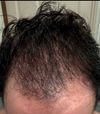
User reports 3-month progress using daily 1mg finasteride, 0.5ml minoxidil (2x daily), 0.5ml dutasteride, and derma rolling 0.5mm 1-2 times per week. They see increased density on crown and top of head, slight progress in corners and temples, and recently added cosmerna.
The conversation discusses a botanically derived treatment for androgenetic alopecia using ingredients like saw palmetto, green tea, and evening primrose, showing impressive results over 270 days. Concerns include the study's uncontrolled nature and potential product motivation, with suggestions to enhance absorption through derma rolling.
Researching the cause of hair loss and treating it by preventing DHT in the scalp with medication such as finasteride or dutasteride, estrogen, minoxidil, dermarolling, and possible topical antiandrogens.
The user has been using oral finasteride and minoxidil for 1.5 years with some crown improvement but still experiences thin hair and a receding hairline. They are considering switching to dutasteride for potentially better results, while others suggest adding topical minoxidil back into the routine.
PP405, a potential hair loss treatment, is facing delays in releasing Phase 2 results, causing frustration among users who compare it to past failed treatments. Despite skepticism, some remain hopeful about PP405's future, while others discuss alternative treatments like Clascoterone and its expected market release.
Switching from topical finasteride to dutasteride may cause shedding, with some users experiencing improvement after several months. Topical dutasteride is generally considered less effective than oral dutasteride.
The conversation is about someone taking dutasteride for hair loss since April 2023 but still experiencing shedding. They had blood tests for various levels and are seeking advice on their DHT levels and vitamin D.
The user experienced hair loss and initially used Finasteride, but switched to Dutasteride after continued shedding. Dutasteride stabilized their hair density with mild side effects, and they did not use Minoxidil.
The conversation discusses the use of dutasteride (DUT) versus finasteride (FIN) for hair loss treatment, with some users preferring DUT for its effectiveness while others choose FIN due to its approval status, better long-term data, and lower risk of side effects. Users share personal experiences with both medications, including side effects and effectiveness.
Mesotherapy for hair loss, including treatments like finasteride and dutasteride, is discussed, with some users reporting pain and mixed results. Alternatives like PRP injections and topical treatments such as minoxidil, RU58841, and tretinoin are also mentioned as effective options.
The user is using a self-made topical mix of finasteride and minoxidil foam for hair loss, experiencing solid regrowth in the frontal area and mild improvement at the crown, but still shedding. They previously used oral finasteride and dutasteride but stopped due to side effects, and are seeking advice on when shedding might stabilize with the topical treatment.
The user switched from finasteride to dutasteride three months ago and experienced noticeable hair regrowth without side effects. They did not use minoxidil and made the switch to dutasteride abruptly.
Clascoterone phase 3 results show promising improvements in hair count, but concerns about high costs and lack of detailed data remain. Users compare it to existing treatments like Minoxidil and Finasteride, expressing skepticism about its accessibility and effectiveness.
The user is experiencing hair miniaturization despite using dutasteride 0.5mg daily and oral minoxidil 3mg daily for three months. They are advised to continue the treatment as full effects may take up to a year.
A user experienced increased hair density loss after 4 months on dutasteride combined with finasteride. They are also using topical dutasteride with azelaic acid and alfatradiol but cannot tolerate antiandrogens like RU58841 due to headaches.
The user switched from finasteride to 0.5mg oral dutasteride and added 2.5mg oral minoxidil, along with occasional microneedling, to improve hair regrowth. They reported no side effects and are hopeful for continued progress, especially in the temple area.
The user switched from finasteride to dutasteride eight months ago due to worsening hair loss but continues to experience hair thinning and seeks advice on additional treatments. They are asking for suggestions on medications, topical therapies, lifestyle changes, or professional treatments.
A user is considering switching from finasteride to dutasteride after minimal success with finasteride, minoxidil, and other treatments. Another user reports positive results with dutasteride after switching from finasteride.
Fluridil was abandoned due to its weak effectiveness and low binding affinity to the androgen receptor, making it less competitive against DHT and testosterone. Users discuss its limited results compared to other treatments like pyrilutamide and RU58841.
RU58841, an anti-androgenic compound, showed early promise for treating alopecia but faced challenges after its patent in 1997. Despite advancing to Phase II trials, safety concerns and financial struggles led Aventis to abandon its development. Proskelia, which later merged into ProStrakan, couldn't prioritize the drug, leading to its eventual stagnation and failure to reach the market.
Dutasteride can cause hair shedding even with suppressed testosterone levels due to previous damage from DHT. Hair shedding is often a sign of damaged hair being replaced by healthier growth.
The conversation discusses hair loss treatments, specifically the use of RU58841 by individuals who did not respond to dutasteride. Users share experiences with maintaining hair using RU58841 and mention trying pyrilutamide and the upcoming availability of pp405.
AH-001 is a new topical treatment designed to degrade androgen receptors, targeting the root cause of androgenetic alopecia without the side effects of oral treatments like finasteride. It has shown a strong safety profile and good local tolerability in early trials.
The conversation discusses hair loss treatments, specifically the progress made with Pyrilutamide over 15 months. One person suggests using oral Minoxidil or Dutasteride, but another mentions experiencing negative side effects from oral Finasteride.