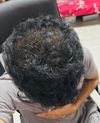
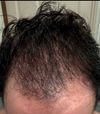
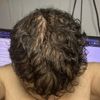
PP405 is humorously suggested as a new hair loss cure with "shocking results." The conversation includes references to Minoxidil, finasteride, and RU58841.
The user experienced hair regrowth and reduced scalp visibility after six months of using 0.5 mg dutasteride and 5 mg oral minoxidil. Suggestions included continuing the treatment, dermarolling with hyaluronic acid, and considering a hair transplant.
The user is using RU58841 twice daily, dutasteride 0.5mg every two days, dutasteride mesotherapy every three months, and 20mg oral minoxidil daily. Other users suggest this regimen is excessive and recommend adding microneedling and ketoconazole shampoo.
A 23-year-old started using 0.5mg Dutasteride and 2.5mg Minoxidil daily for hair loss and is considering adding RU58841 or GHK-cu. Users suggest waiting a few months before adding anything and mention Koshine's kx-826 as a potentially better alternative to RU58841.
A user is trying 2-deoxy-D-ribose with distilled water for hair growth, observing new hair and skin pigmentation changes. Others compare it to Minoxidil, expressing interest and caution about its effectiveness and safety.
A 25-year-old male was initially prescribed finasteride, oral minoxidil, and topical minoxidil for hair loss but saw no improvement after a month. His doctor switched him to dutasteride, continued both minoxidil treatments, and added PRP therapy.
Finasteride and Dutasteride can be obtained cheaply through Amazon One Medical with an Rx Pass subscription for $20/year. Users discuss various options and costs for hair loss treatments, including Blink Health and Mark Cuban's pharmacy.
A 19-year-old using topical minoxidil and dutasteride reports significant hair growth and shedding. Minoxidil caused new facial hair growth, and the user hopes for thicker hair regrowth.
Finasteride and dutasteride can improve skin texture and reduce acne by lowering DHT but do not reverse aging. They may enhance skin and hair health for some, but can also cause side effects like dry skin and sexual dysfunction.
Mixing Dutasteride with MCT oil may improve absorption due to its fat-soluble nature. Users suggest taking it with whole milk or using oil-based capsules for better effectiveness.
A 24-year-old male shares his two-month progress on hair regrowth using 0.5mg Dutasteride, 2.5mg Minoxidil, 10mg Biotin, and Ketoconazole shampoo, noting significant crown improvement. Users discuss the effectiveness of oral Minoxidil, with some expressing skepticism about photo angles and the necessity of Biotin unless deficient.
A 22-year-old male shares his 2-month progress using a regimen of 0.5mg dutasteride daily, 1.5mm dermarolling weekly, a daily multivitamin, and a topical serum with 10% minoxidil and 0.1% finasteride. He reports impressive hair regrowth, especially at the hairline, and has experienced no sexual side effects.
The user switched from finasteride to dutasteride eight months ago due to worsening hair loss but continues to experience hair thinning and seeks advice on additional treatments. They are asking for suggestions on medications, topical therapies, lifestyle changes, or professional treatments.
Topical minoxidil can cause water retention, making the face appear swollen. Switching from liquid to foam and reducing application frequency may help; using dandelion root extract as a diuretic is also suggested.
The user experienced mental side effects from both oral and topical finasteride and is considering trying dutasteride or liposomal topical finasteride. They are concerned about potential worsening of hair loss if they quit dutasteride.
Kintor apologized for using misleading images in their advertisements and promised stricter review processes. They are also considering developing a topical dutasteride formulation.
The user has been using finasteride and minoxidil for 5 years to prevent hair loss and is considering adding dutasteride for regrowth or opting for a hair transplant. Suggestions include trying dutasteride, oral minoxidil, microneedling, and possibly a hair transplant for better results.
Some users believe John Harper's hair regrowth claims using dermarolling, coffee, and oils are misleading, while others defend his methods. The conversation highlights skepticism about alternative treatments and emphasizes finasteride, dutasteride, and minoxidil as proven solutions for hair loss.
The user reports noticeable hair growth after 5 weeks using finasteride, minoxidil, dermarolling, and ketoconazole. They seek confirmation of their progress and question if they are a hyper responder.
Stevia microneedles increased minoxidil absorption and hair growth in mice. The conversation humorously questions the applicability of these results to humans.
The user switched to dutasteride and saw palmetto, along with a topical mix of minoxidil and finasteride, due to continued hair shedding. They hope for improvement despite concerns about saw palmetto's effectiveness.
A user reports hair regrowth and thickening after 3.5 months using oral dutasteride (0.5mg) and oral minoxidil (5mg). They express gratitude for the information received from the community about hair loss treatments.
User noticed tiny dots on their head after using 0.5% dutasteride and 8% minoxidil, which others identified as developing hair follicles. Encouragement was given to continue the treatment.
The conversation discusses various theories of hair loss, including DHT sensitivity and genetic factors, with the user willing to use themselves for research due to having a hair loss gene but different hair loss patterns compared to their brothers. Specific treatments were not mentioned in the provided text.
The user is using a hair recovery treatment with 0.5 mg dutasteride, 5 mg biotin, 5% topical minoxidil, and dermarolling twice a week. They are considering using a 1.5 mm dermaroller and red light therapy.
The user is trying RU58841, oral minoxidil, and dermarolling to combat hair loss caused by increased scalp testosterone after using finasteride and dutasteride. They plan to document their results.
Dutasteride is less commonly prescribed for hair loss because it is not FDA-approved for this purpose, unlike finasteride, which is more accessible and preferred due to fewer side effects. Dutasteride may be more effective in reducing DHT but has a longer half-life and potentially more significant side effects.