The conversation discusses the effectiveness and side effects of DUT mesotherapy for hair loss. Users are seeking evidence and pictures of successful treatments.
The conversation suggests considering switching from finasteride to dutasteride for hair loss, with one person stating dutasteride is superior and another advising to wait at least 6 months before making a change. A third person asks for more details, implying it might be too soon to switch.
The conversation humorously discusses hair loss treatments, including topical finasteride, oral dutasteride, topical minoxidil, RU58841, peppermint oil, and microneedling. It also mentions lifestyle changes like converting to Islam and avoiding smoking, drinking, and partying.
Many are unaware of effective male pattern baldness treatments like finasteride and minoxidil, often opting for ineffective remedies. Educating others on proven treatments and potential side effects is crucial.
Bald men in Mozambique are being targeted due to superstitions that their heads contain gold, leading to dangerous rituals. The conversation humorously discusses this belief and its implications.
Microneedling before applying topical finasteride or dutasteride may enhance their effectiveness by increasing local absorption in the scalp, despite concerns about systemic absorption. Users discuss combining this method with oral treatments and minoxidil, noting potential benefits and side effects.
The conversation discusses an interview with Dr. Tsuji about hair follicle stem cell multiplication and the financial challenges of starting human clinical trials. It also mentions the need for funding to secure a patent for a protein that promotes hair growth.
The user had high DHT levels after 8 months on dutasteride, questioning the drug's authenticity. They got dutasteride from a legitimate source and will update on progress.
A 40-year-old shared progress pictures showing results after 3.5 months of using dutasteride for hair loss. The conversation likely discusses this specific treatment and its effects on hair regrowth.
The conversation discusses using finasteride, dutasteride, minoxidil, and RU58841, along with a 10,000 graft hair transplant, to prevent magpies from targeting bald men. The title humorously references an eight-year-old's survey on magpies swooping bald men.
The conversation humorously discusses the journey of deciding to use finasteride for hair loss, with a focus on a funny Facebook post. It also touches on the idea of promoting finasteride use to future generations.
The conversation is a humorous take on someone's reaction after their first dose of finasteride for hair loss. Specific treatments mentioned include scalp massage and a protocol of manifestation twice daily.
A user switched from finasteride to Avodart (dutasteride) due to the ineffectiveness and poor quality of finasteride in their country. They advise others in similar situations to seek original brands.
Switching from finasteride to dutasteride can lead to increased shedding and hair loss for some, while others see improvement. The effectiveness varies, with some users experiencing better results with dutasteride, while others find finasteride more beneficial.
User experienced slow gains with topical fin+min, switched to topical dut+min, and considered adding Eucapil. Another user suggested DUT may be less effective topically due to high molar mass and mentioned Fluridil as a weak anti-androgen that could help.
A fake hair loss product called "PP405" is being humorously discussed, with users joking about its effectiveness and availability on resale websites. The consensus is that it's a scam, with some users sarcastically claiming miraculous results.
Some individuals experience hair loss despite using treatments like 2.5 mg dutasteride, finasteride, and minoxidil, suggesting sensitivity to DHT or other factors. Various treatments and lifestyle changes are discussed, but results vary, and some consider hair transplants or other solutions.
A user's experience taking finasteride, which resulted in them having an unexpected emotional reaction, and the replies to this post focus on the humorous aspects of cautionary tales about hair loss treatments.
The conversation humorously suggests that the hair loss industry, referred to as "Big Bald," deliberately delays a cure to profit from ongoing treatments like minoxidil, finasteride, and dutasteride. Participants debate whether a cure would be more profitable than current treatments, with some suggesting that the industry prefers continuous treatments for sustained profit.
Brian Dye's theory links skeletal malocclusion type II to hair loss, suggesting it's a blood flow issue. Treatments mentioned include minoxidil, finasteride, and anti-inflammatory drugs like benaxoprofen.
The user experienced noticeable hair growth after 9 months using oral dutasteride, with full results expected in 20-24 months. They prefer oral treatments over topical minoxidil due to convenience.
People discuss hair loss treatments like minoxidil, finasteride, and dutasteride, sharing experiences and side effects. Opinions vary on combining treatments, with some skeptical and others reporting success.
Hair loss theory involves 3alpha-hydroxysteroid reductase (3AHD) converting DHT to androstenol. Discussion explores potential treatments and encourages more research.
The conversation humorously discusses starting treatments like finasteride, dutasteride, RU58841, and oral minoxidil for hair loss. It highlights the challenges and experiences associated with these treatments.
Finasteride and dutasteride can affect sexual function, cognition, and mood. Alternatives like minoxidil, pyrilutamide, and alfatradiol have varied effectiveness and side effects.
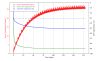
A Dutasteride Simulator predicts serum dutasteride, serum DHT, and scalp DHT levels using models from research papers. It simulates various dosing schedules to determine steady-state effects and visualizes outcomes, including hair growth-related scalp DHT suppression.
The conversation humorously discusses hair loss treatments, specifically finasteride, minoxidil, and dutasteride, and their prevalence in Japan. It highlights the common use of these treatments among Japanese salarymen and the ease of obtaining them online or through clinics.
The conversation humorously critiques the lack of common sense in discussions about hair loss treatments like finasteride, minoxidil, and biotin, while also highlighting the repetitive nature of advice in the community. It suggests that joke posts keep the community engaging, despite some users taking absurd claims seriously.
Hair loss is humorously blamed on ancient selection preferences, with discussions on genetics and societal norms. Treatments like finasteride are mentioned as modern solutions.