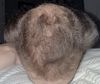
User shared 6-month hair loss treatment update with Dut 3x/week, oral min, and dut+prp mesotherapy. Experienced positive results, no side effects, and recommends the regimen.
How diffuse unpatterned alopecia (DUPA) is not an invitation to self-diagnose oneself with aggressive AGA and that seeking a specialized dermatologist may help people experiencing hair loss. Treatment options discussed include topical clobetasol propionate, oral minoxidil, and discontinuing finasteride.
Dutasteride capsules should not be bitten or opened due to their foul taste and potential caustic effects. Users shared experiences of accidentally biting capsules and the unpleasant taste, with some suggesting swallowing techniques to avoid this.
User "logart89" claims DUT 3 times a week is better than daily FIN for hair loss. Their routine includes DUT, topical DUT, stemoxydine and alfatradiol mix, 5% minoxidil with tretinoin, and weekly derma stamping.
The user is experiencing increased hair miniaturization despite using oral minoxidil, dutasteride, and microneedling. They are considering reintroducing finasteride and adjusting dutasteride dosage.
The user experienced significant hair improvement using 0.5mg Dutasteride and 2.5mg Minoxidil daily for 8 months, with no side effects reported. They noticed thicker, darker hair and increased density, and did not use topical treatments.
Hair density improved using topical dutasteride, minox, keto, and 3.5% fluridil for 6 months. Better results when hair is dry, but still unsatisfied when wet.
Dutasteride can stabilize or improve hair loss but may cause side effects like depression and anxiety. Users often switch from finasteride to dutasteride for stronger results, with varied experiences in shedding and regrowth.
Fluridil was abandoned due to its weak effectiveness and low binding affinity to the androgen receptor, making it less competitive against DHT and testosterone. Users discuss its limited results compared to other treatments like pyrilutamide and RU58841.
27-year-old female experiences aggressive hair thinning and hirsutism despite normal testosterone levels. Spironolactone and 2% minoxidil were ineffective; high DHEA sulfate levels may be the cause.
RU58841 caused chest tightness, throat irritation, and headaches, leading the user to stop its use. The user plans to restart with a lower dose if symptoms fully disappear but remains cautious due to anxiety and side effects.
A 23-year-old shares progress in hair quality after 4 months using dutasteride, topical minoxidil, and other treatments, noting improved crown thickness but persistent temple thinning. They switched from finasteride to dutasteride due to side effects and started testosterone replacement therapy, which they believe helps mitigate side effects.
The user is using topical dutasteride, finasteride, minoxidil, and tretinoin but seeing no results or side effects. They also microneedle every two weeks but experience little bleeding, questioning if a thick scalp is preventing treatment effectiveness.
Switching from oral to topical dutasteride can cause shedding due to changes in DHT levels, and it's recommended to overlap both treatments to minimize this effect. Topical dutasteride may cause scalp irritation, and the user is considering dutasteride mesotherapy as an alternative.
Finasteride may cause sleep disturbances, with some users experiencing insomnia. Reducing the dosage, switching brands, or trying Dutasteride might help.
The user has been using Dutasteride for five years and noticed slow thinning on the frontal hairline. They tried Fluridil as an additional treatment, which resulted in noticeable hairline thickening after two months.
Hair loss discussion mentions treatments like Finasteride, Dutasteride, and Minoxidil. Users share experiences, side effects, and advice on using these treatments.
Dutasteride may be better for the brain than Finasteride, potentially increasing dopamine levels and causing fewer side effects. For those switching from Finasteride to Dutasteride to prevent hair loss, it's recommended to continue Finasteride for 3-4 months while starting Dutasteride to avoid shedding due to Dutasteride's long half-life.
Many users experienced increased diffuse thinning after starting finasteride, with some switching to dutasteride or adding minoxidil in hopes of improvement. Thyroid issues and low ferritin levels were also discussed as potential factors affecting hair loss.
Ashwagandha topical formulation may increase hair density and reduce hair loss, but results seem too good to be true due to a small sample size. Users are skeptical about its effectiveness and are experimenting with different application methods.
The conversation discusses hair loss treatments, specifically minoxidil, vitamin D supplements, and the potential impact of iron overload. The user experienced hair regrowth with high-dose vitamin D but faced hair thinning again after reducing the dosage, and is now exploring the role of iron overload in hair loss.
Comparing two upcoming topical hair loss treatments, Fluridil and Breezula, to determine which is most effective for treating hair loss, taking into consideration factors such as price, side effects, potential for hair growth, convenience of application, smell, greasiness, and styling after use.
The user is experiencing irritation from using PG with RU58841 and is seeking alternative solutions like K&B in the UK. They report redness, itchiness, and flaky skin from the current treatment.
The user is taking 2.5 mg dutasteride and 5% minoxidil but is not seeing hair regrowth, and is considering adding RU58841. They are experiencing fatigue and low MCV/MCH, possibly related to dutasteride, and are advised to be patient, consider microneedling, and check for iron deficiency.
Dutasteride is generally considered more effective than finasteride for hair regrowth and thickening, despite some negative anecdotal reports. Users report thicker hair and better skin with dutasteride, and some believe negative reviews are due to advanced alopecia or impatience with the shedding process.
Switching from finasteride to dutasteride is discussed, with some users suggesting gradual replacement to potentially improve hair regrowth. OP plans to try replacing one daily use of finasteride with dutasteride to see if it leads to better results.
The user checked iron, ferritin, B12, zinc, testosterone, DHT, and estrogens to understand hair loss causes and the effects of dutasteride. They also noted increased heart rate and paleness with oral minoxidil.
The conversation discusses hair loss treatments, specifically using Dutasteride 0.5 mg and topical Minoxidil 5% twice daily, with users sharing experiences and advice on using Finasteride and Minoxidil. Some users consider hair transplants, while others suggest giving medications more time to work.
The user experienced initial hair improvement with finasteride but noticed worsening hair loss after switching to dutasteride. They are considering returning to finasteride due to persistent hair shedding and scalp itch.
The user experienced positive scalp results with Dutasteride but noticed beard thinning, prompting a switch back to Finasteride. They plan to monitor the situation and may consider combining treatments in the future.