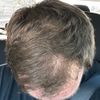
The conversation is about someone being prescribed Dutasteride for hair loss. Specific treatments mentioned include Minoxidil, Finasteride, and RU58841.
Switching from finasteride to dutasteride can cause increased hair shedding, which may last several months before potential regrowth. Some users suggest combining both medications or waiting up to a year for improvement, while others report better results with finasteride alone.
Dutasteride is associated with increased blood glucose, HbA1c, LDL cholesterol, and liver enzyme activity, potentially leading to diabetes, NAFLD, and liver metabolism changes. The conversation highlights concerns about these adverse effects and calls for more studies, including on finasteride.
Dutasteride is more effective than finasteride, has neuroprotective benefits, and may prevent acne. Despite initial concerns about metabolic effects, further research suggests it is safe for most users, especially if not hypogonadal.
The user switched from finasteride to dutasteride after 1.5 years with no results and is experiencing shedding, hoping for improvement. They also use minoxidil and ketoconazole shampoo but still have dandruff.
Switching from finasteride to a generic dutasteride led to unexpectedly high DHT levels, prompting a switch to a reputed brand and consideration of softgel capsules for better absorption. The user plans to retest DHT levels and may return to finasteride if issues persist.
User switched from Fin to Dut for better hair loss results, using 0.5mg Dut and 1ml Min daily. Some discuss potential side effects and benefits of Dut compared to Fin.
A 24-year-old male has been using dutasteride and Minoxidil for over a year, previously used finasteride for 8 months, but hasn't seen significant hair regrowth and is concerned about hair loss on the sides. He follows a regimen of taking dutasteride every three days and applies Minoxidil twice daily.
The user is struggling with hair loss despite using topical minoxidil, finasteride, and oral dutasteride, and is seeking affordable alternatives to 2.5mg dutasteride. Suggestions include checking for scalp inflammation, considering oral minoxidil, using rosemary oil, and possibly trying saw palmetto, though results may vary.
A 36-year-old male using dutasteride and minoxidil has seen significant hair regrowth, confirmed by a dermatologist and supported by before-and-after photos. He plans to increase his oral minoxidil dosage and add dermapen to his routine.
Many people use finasteride and dutasteride for hair loss, with some switching due to cost or effectiveness. Minoxidil is also commonly used, and side effects like weaker erections or ball pain are reported by some.
The user switched from finasteride to dutasteride for hair loss and noticed elevated cholesterol levels, questioning if dutasteride caused this change. They also take Vitamin D, biotin, magnesium, ginkgo biloba, omega-3, and NAC, and are concerned about the impact of these supplements and their health on cholesterol levels.
A 25-year-old man was prescribed dutasteride for early genetic balding, but he is concerned about its cost and potential side effects compared to the more common and cheaper finasteride. He is unsure if starting with dutasteride is necessary or if he was scammed, and seeks advice on whether to switch to finasteride.
The user switched from finasteride to dutasteride in January and noticed increased crown thinning, despite using minoxidil with rosemary, biotin, and castor oil. They are concerned about hair loss and considering visiting a clinic for further advice.
A user's experience with hair loss treatments, including finasteride, minoxidil, dutasteride, biotin and micro needling; the user is concerned about their hairline after switching to dutasteride and oral minoxidil. Responses suggest that this could be just a shed and offers advice on how to possibly address it.
Dutasteride mesotherapy combined with topical minoxidil led to some hair regrowth, but taking dutasteride pills every 2-3 days showed more noticeable results. The user did not try finasteride, as their dermatologist recommended dutasteride for better outcomes with fewer side effects at a reduced dosage.
The user is considering using 0.5 mg dutasteride once every 5 or 7 days due to side effects from finasteride and is also looking into topical liposomal dutasteride and pyrilutamide to stop hair loss. The goal is to stop hair loss, not regrow hair.
Using Dutasteride as a hair loss treatment and its potential benefits, including availability in certain countries without a prescription and lower side effects than Minoxidil or RU58841.
Combining finasteride with dutasteride may have additive benefits for reducing scalp DHT, but the extent is unknown. Some users report less shedding when using both treatments, with variations in dosage and application methods.
Dutasteride is shown to be significantly more effective than finasteride for treating male androgenic alopecia. Users discuss the difficulty of obtaining dutasteride in some countries and share personal experiences with its effectiveness and side effects.
The user is using oral dutasteride, topical minoxidil (Regaine foam 5%), and ketoconazole shampoo for hair loss, reporting good results with no significant side effects. The user is 26 years old and applies minoxidil once or twice daily.
Dutasteride is praised for improving skin and hair regrowth, with fewer side effects than finasteride. Users report mixed results on shedding and regrowth, with some experiencing enhanced libido and skin quality.
Dutasteride can be taken daily or weekly, depending on individual goals and side effect tolerance. Daily use maximizes suppression, while less frequent dosing reduces side effects.
A woman experienced hair regrowth after using self-prescribed finasteride and dutasteride from online sources, despite doctors' reluctance to prescribe these due to potential birth defects. Her dermatologist acknowledged the effectiveness of these treatments and advised her to continue using them while avoiding pregnancy.
People are experimenting with high doses of dutasteride, with some reporting halted hair loss and regrowth. Others are combining it with treatments like minoxidil and finasteride, noting varying results and side effects.
Dutasteride at 0.5 mg and 2.5 mg doses may eventually yield similar hair growth results over time, with 0.5 mg being sufficient for many users. Higher doses may not significantly increase benefits and could lead to diminished returns.
After using finasteride and dutasteride for hair loss, a user's blood tests showed almost unchanged DHT levels and some out-of-range hormone levels. They experienced side effects when taking dutasteride daily and also take supplements that boost testosterone.