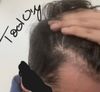
Hair regrowth after 13 weeks using topical minoxidil, oral finasteride, peptide shampoo, serum, and a red light hat. Some growth is attributed to a recent hair transplant.
A person with hairloss since COVID-19 is considering treatments like finasteride and minoxidil but is hesitant due to potential side effects. Suggestions include visiting a dermatologist, using a ketoconazole shampoo, and considering that post-COVID hairloss might be an autoimmune response.
A user reported losing hair after 7 months of using oral minoxidil, finasteride, and dutasteride, but others reassured that this is likely just a shedding phase where old hairs fall out to make way for new growth. Some users experience sheds every 7-8 months and suggest staying consistent with treatment.
The user started oral minoxidil and finasteride two months after a hair transplant and plans to switch to dutasteride, using Nizoral and Mossi shampoos. They are considering a second transplant in Tijuana and using hair fibers and mousse for styling while waiting for medication effects.
The user "Venom7337" shared their progress with hairloss, mentioning the treatments they used: Dutasteride, Minoxidil, and Ketoconazole shampoo. They hope to see further improvement in hair density and hairline.
Hairloss treatments discussed include finasteride, minoxidil, and dermarolling. Users advise patience, noting initial shedding is common and treatments take time to show results.
A person realized they were balding when their sister pointed it out and is now using a combination of hairloss treatments including finasteride, minoxidil, microneedling, and plans to add dutasteride and RU58841. Others in the conversation emphasize the importance of honesty about hairloss and caution against an overly aggressive treatment regimen, especially before a hair transplant.
The conversation discusses hairloss treatments, specifically using finasteride, minoxidil, and Nizoral. It also explores the potential impact of whey protein and BCAA on hair shedding, with users considering dietary changes to manage hairloss.
A 25-year-old has used minoxidil for 7 years, finasteride for 2 years, oral minoxidil and dutasteride for 3 months, and also tried microneedling and nizoral. They are considering a hair transplant but are concerned about being a good candidate due to potential retrograde alopecia.
A 35-year-old man had a 6400 graft hair transplant in Turkey after years of baldness, using finasteride, oral and topical minoxidil, and scalp micropigmentation. He is satisfied with the progress and plans further SMP touch-ups to enhance results.
The user has been using oral minoxidil and finasteride but has seen no regrowth, only stabilization of hairloss. Suggestions include considering a hair transplant or adding topical treatments, with some users sharing similar experiences of stabilization without regrowth.
A 21-year-old male has been using minoxidil for 7 months but notices worsening hairloss, including increased visibility of the crown, overall thinning, and a receding hairline. He previously used finasteride and is considering restarting it, questioning if long-term shedding is normal and when to expect results.
Finasteride, minoxidil, and sometimes dutasteride were used for hairloss with varying success. Some experienced side effects, while others maintained or regrew hair, considering hair transplants as a future option.
The user "mynameisbogus" shared their hairloss progress using various treatments including Dutasteride, RU, oral minoxidil, topical treatments, microneedling, dermastamping, rosemary oil, and scalp massaging. Other users commented on the extensive regimen and expressed their opinions.
The user experienced increased hair shedding after switching from finasteride to dutasteride, despite lifestyle improvements and additional treatments like oral minoxidil and PRP. They are concerned about persistent shedding, changes in hormone levels, and potential chronic telogen effluvium, and are considering a scalp biopsy for further investigation.
The conversation discusses hairloss treatments, specifically finasteride, minoxidil, ketoconazole shampoo, and microneedling, with users experiencing initial success followed by increased shedding and regression. Many users suggest patience, as hair cycles can take years, and some attribute changes to seasonal shedding.
A 30-year-old from Mexico shares his 9-month experience using finasteride, ketoconazole shampoo, and minoxidil for hairloss, reporting no major side effects except for hair dryness. He advises using conditioner and coconut oil to minimize hair breakage and encourages others to try these treatments while seeking help if hairloss affects mental health.
A man in his twenties with hereditary hairloss has been using 5% Minoxidil, a derma roller, Vitamin D3, and recently started Finasteride, noticing baby hairs and some improvement. Users encourage him, noting good progress and potential for further improvement.
Missing 15 days of finasteride and minoxidil may cause some hairloss, but resuming treatment should help regrow hair. It's important not to miss doses to avoid potential setbacks.
A user shared their 30-month hairloss progress using Minoxidil, finasteride, and RU58841. They also discussed hair transplants as an option for future hairloss.
The user has been using finasteride, minoxidil, and other treatments for nearly a year without progress in hair regrowth, feeling frustrated and depressed. Suggestions include trying dutasteride, considering a scalp biopsy, and acknowledging that stopping hairloss might be the only achievable outcome.
The user experienced aggressive hairloss after three years on finasteride, despite previous success with the treatment and PRP sessions. They are considering trying dutasteride but are unsure about purchasing it online due to trust issues.
The user has been on finasteride for 7 years and had a hair transplant, but is experiencing hair thinning and itchiness, particularly on one side, leading to concerns about male pattern baldness or other health issues. Despite having a full head of hair, the user is considering shaving it due to mental health struggles and is advised to consult a therapist and consider other treatments like minoxidil or dutasteride.
A 24-year-old male is experiencing hairloss due to low ferritin and vitamin D deficiency, and is using iron supplements, vitamin D3, finasteride, and ketoconazole shampoo for treatment. Users suggest increasing vitamin D and iron intake for better results and recommend consulting a professional for proper dosage.
The user is considering switching from finasteride and minoxidil to dutasteride for better hair regrowth results, as they are experiencing thinning and shedding despite current treatments. They have also tried microneedling, Clobetasol, and salicylic acid to manage scalp issues and inflammation.
The conclusion of the conversation is that the user, General-Switch-5722, has been using finasteride and minoxidil for over 2 years but is still experiencing hairloss. They are considering adding a low dose of RU58841 or topical dutasteride as potential treatments. Other users in the conversation have suggested switching to dutasteride or using oral minoxidil.
The user shared progress pictures after using finasteride and minoxidil for hairloss over four years. Responses vary, with some seeing stabilization or slight improvement, and others noticing a small amount of hairloss.
The user shared a 6-month update on their hairloss treatment, using finasteride/minoxidil gel, ketoconazole shampoo, thickening shampoo and conditioner, and topical minoxidil. They wash their hair three times a week and switched to a less oily topical foam. Other users commented on their hairstyle, advising against it to prevent traction alopecia.
Long-term finasteride and minoxidil user shares tips for dealing with hairloss, including finding a shorter hairstyle, using finasteride, and not obsessing over hair. Users discuss washing frequency, alternative treatments, and focusing on other aspects of life.
An 18-year-old male is experiencing hairloss and is using topical minoxidil and oral finasteride. He is concerned about continued shedding, mild sexual side effects, and whether to adjust his finasteride dosage.