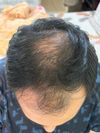
A user shared their progress after 8 months of using oral dutasteride, minoxidil, and ketoconazole shampoo for hair loss. They are very pleased with the results.
The conversation is about managing allopregnanolone deficiency caused by 5-alpha-reductase inhibitors like finasteride or dutasteride. Specific treatments discussed for hair loss include Minoxidil, finasteride, and RU58841.
The user is considering a hair loss treatment plan involving oral dutasteride (2.5 mg), oral minoxidil (2.5-10 mg), topical finasteride, and topical minoxidil, with additional options like ketoconazole shampoo and microneedling. They are seeking advice on whether to start with finasteride or dutasteride, the potential side effects, and the effectiveness of their approach, with a plan to evaluate results after 3-4 months.
A 17-year-old shares their hair loss treatment, using oral finasteride, dutasteride, stemoxydine, alfatradiol, and a placebo product, but cannot use minoxidil due to an allergic reaction. Others discuss similar treatments and question the use of dutasteride at a young age.
The user is using finasteride 1mg every other day and seeks a topical solution excluding minoxidil. They are considering various combinations of ingredients like finasteride, dutasteride, and tofacitinib, with options for nourishing oils and other additives.
The conversation discusses hair loss treatments, with users mentioning dutasteride (Dut) as effective and wishing for more accessible dosages. They also debate the components of the "big 3" treatments, which now include Dut, RU58841, and oral minoxidil, with finasteride and minoxidil being consistently mentioned.
The user experienced significant hair regrowth after 2.5 months on daily 0.5 mg oral dutasteride and 3 months of 5% topical minoxidil, with better results after switching to foam minoxidil. They attribute most gains to minoxidil, as dutasteride takes longer to show effects, and report no side effects.
A user reported a 50% increase in testosterone after 18 months of taking dutasteride for hair loss. The conversation includes skepticism about the reliability of single testosterone tests and questions about estrogen levels.
The conversation discusses hair loss treatments like topical finasteride with minoxidil, oral dutasteride, and essential oils. Oral treatments like dutasteride and finasteride are seen as more effective, though some prefer topicals to avoid side effects.
The conversation is about hair loss treatments, specifically using Dutasteride and Minoxidil since November 2025, with positive progress reported. Users discuss the effectiveness and side effects of topical and oral Minoxidil and Finasteride, with some preferring topical solutions to avoid side effects.
A 31-year-old Indian male has been using oral minoxidil and finasteride for hair loss without visible improvement. He is considering taking DUT tablets against his doctor's advice due to potential side effects and is contemplating buzzing his hair instead.
A woman experienced significant hair regrowth after six months of using dutasteride and minoxidil, despite initial hair loss due to androgenetic alopecia. She reported minimal side effects and highlighted the effectiveness of these treatments for women, despite doctors' hesitancy to prescribe them.
A user reported using a topical hair loss treatment containing Minoxidil, Dutasteride, and other ingredients, noting a significant drop in DHT levels and a smaller decrease in testosterone after three months. They also mentioned microneedling, feeling fine with unchanged or increased libido, and taking Cialis as a preventative measure for performance issues.
Pyrilutamide's long-term stability is uncertain, with potential degradation after 8-9 months if not stored properly. It's recommended to use fresh batches and store them in a cool, dark place.
A woman using minoxidil for hair loss is trying hair fibers but finds they look like dandruff. Suggestions include using pomade, Derm Match, matte eye shadow, mascara, and spray applicators for a more natural look.
A user experimenting with an extreme hair loss treatment stack of Dutasteride, RU58841, 15 mg oral minoxidil, and microneedling, which sparked a debate among other users about the safety of this approach.
A user is experiencing hair regrowth after 2.5 months using dutasteride and a daily spray containing finasteride, minoxidil, biotin, and ketoconazole. They are optimistic about continued progress and have noticed new dark hairs forming.
Finasteride may be sufficient for diffuse thinning, but dutasteride is generally considered more effective, with a higher chance of hair growth. Adding oral minoxidil can improve results, though some users report side effects.
A user shared their 6-month progress using daily oral dutasteride and minoxidil, along with monthly mesotherapy including zinc, dutasteride, minoxidil, biotin, and panthenol, reporting no noticeable side effects. Encouragement was given to continue despite potential hair shedding.
A 20-year-old is considering switching from finasteride to dutasteride during a steroid cycle to better manage hair loss, then returning to finasteride afterward. They are concerned about the risks of post-finasteride syndrome from frequently changing medications.
The conversation discusses affordable options for topical Finasteride, including products like Morr F, 82F, and Essengen 6 Plus, with concerns about availability and cost. The user is seeking effective and convenient solutions, considering options like compounding pharmacies and homemade solutions.
The user experienced hair thickening and reduced shedding using minoxidil, finasteride, and dutasteride, with a switch from finasteride to dutasteride due to ineffectiveness. They also use a saw palmetto shampoo and take vitamin D3 supplements, while considering potential underlying causes like vitamin deficiencies and hard water buildup.
The user switched from finasteride to DIY dutasteride mesotherapy and topical minoxidil due to side effects. They report improved well-being and no hair loss worsening after stopping finasteride.
Hair loss treatments like Dutasteride, RU58841, Finasteride, and Minoxidil are discussed, with skepticism about their effectiveness without photographic evidence. The conversation humorously critiques the reliance on anecdotal evidence for these treatments.
User found hair loss stabilization without side effects using a topical solution of 0.008% Finasteride, 2% RU, and Stemoxydine. Other treatments like Eucapil, Fluridil, RU-monotherapy, and Pyrilutamide didn't work for them.
Oral dutasteride and topical Minoxidil are used to treat hair loss, with the goal of suppressing DHT and improving hair density. The effectiveness depends on genetics and the duration of baldness, and lifelong treatment may be necessary to maintain results.
The user has been using 5% minoxidil once daily and microneedling with a 1.5 mm dermaroller weekly for three months, considering increasing minoxidil usage but avoiding finasteride due to libido concerns. Another person suggests considering other treatments like RU58841, alfatradiol, topical finasteride, clascoterone, or saw palmetto since not using a DHT blocker could be less effective.