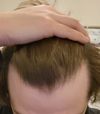
A user switched from finasteride to dutasteride due to side effects and saw significant hair improvement after 7 months, with no side effects from dutasteride. They also switched from topical to oral minoxidil, which may have contributed to the positive results.
User Kylo313 used dutasteride for 20 years and had two daughters, questioning if dutasteride affects the likelihood of having male vs female children. Replies mostly request hairline photos and discuss anecdotal experiences, with some suggesting correlation doesn't imply causation and that gender determination isn't affected by dutasteride.
The user switched from finasteride to dutasteride due to hairline recession but noticed further hair loss and is seeking new dermatological advice. They are concerned about the effectiveness of dutasteride and are looking for help.
Dutasteride at 0.5 mg and 2.5 mg doses may eventually yield similar hair growth results over time, with 0.5 mg being sufficient for many users. Higher doses may not significantly increase benefits and could lead to diminished returns.
Dutasteride often stops hair loss quickly, with some users noticing reduced shedding and thicker hair within a few months. Some users combine it with minoxidil for better results, though side effects like lower libido and initial shedding are common.
The user experienced hair regrowth with dutasteride and oral minoxidil from October 2025 to January 2026, but mid-scalp density decreased afterward despite continued treatment. Ketoconazole improves scalp condition, but stopping it worsens hair appearance.
The user is discussing hair regrowth after 4.5 months of using oral dutasteride and minoxidil. Another user suggests improvement is possible and asks about exercise and diet.
Dutasteride is more effective in gel capsule form due to better absorption, as it is fat-soluble. If only pills are available, taking them with fat or increasing the dose slightly may help.
Dutasteride is considered a powerful treatment for hair loss, potentially effective for decades, but its success depends on individual genetics and response. Combining Dutasteride with other treatments like Minoxidil, Finasteride, and RU58841 may enhance results, but outcomes vary.
Dutasteride can cause prolonged hair shedding before regrowth begins, often taking 6-12 months for noticeable improvement. Users report varying experiences, with some seeing no shedding and others experiencing significant shedding before eventual regrowth.
The user is experiencing ongoing hair loss despite using treatments like topical and oral finasteride, dutasteride, oral minoxidil, and RU58841. They are advised to consider a scalp biopsy and blood tests to determine the underlying cause, as their hair loss may not be related to DHT.
Dutasteride is often taken daily despite its long half-life because consistent dosing maintains optimal serum levels for effective DHT suppression. Some users report success with less frequent dosing, such as three times a week, but effectiveness can vary based on individual response and professional advice.
Dutasteride is reported to have fewer side effects than Finasteride, with some users experiencing higher libido and fewer sexual side effects on Dutasteride. However, individual responses vary, and some users find Finasteride more tolerable.
Dutasteride may affect semen parameters but not significantly enough to impact fertility unless baseline fertility is already low. Finasteride and minoxidil are used for hair regrowth, with no side effects reported by one user.
Dutasteride can significantly reduce sperm volume, with some users experiencing up to a 90% decrease. While some users report adaptation over time, others suggest switching to finasteride if side effects are too severe.
The user reports improved crown hair regrowth after 5 months of using Dutasteride and Minoxidil, but minimal change in the front/temples. Others suggest waiting 12-18 months for full results and note that temple regrowth is typically slower.
The user tried topical minoxidil, topical and oral finasteride, and switched to dutasteride and oral minoxidil without success in stopping hair loss. Suggestions included continuing treatment longer, trying microneedling, and considering a hair transplant.
The user reported improved hair density using Dutasteride 0.5mg and Oral Minoxidil 3.75mg, along with Nizoral shampoo and oils. There was debate about the validity of the progress due to differences in lighting and angles in the photos.
A 49-year-old male switched from Finasteride to Dutasteride 2.5 mg daily, along with oral Minoxidil 5 mg, resulting in significant hair regrowth and stopping hair loss after six months. Despite initial side effects like adrenaline spikes and urinary issues, the user is satisfied with the results and plans to continue the treatment.
Dutasteride in semen is considered a very small risk for partners, and fertility typically improves after stopping the medication. It is recommended to stop Dutasteride 3-6 months before trying to conceive to avoid potential impacts on fertility and fetal development.