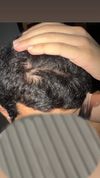
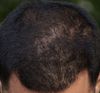
The user is experiencing significant hair shedding after starting dutasteride, which is considered a normal part of the treatment process. Despite the shedding, the user notes some improvement in hairline appearance and is seeking advice and reassurance.
Dutasteride is safer than finasteride for long-term use, with fewer sexual side effects. Users experience better hair regrowth and fewer side effects with dutasteride.
The conversation is about a 40-year-old trying a homemade topical hair loss treatment combining finasteride and minoxidil, and considering microneedling after previous side effects from oral finasteride. They plan to provide updates on the results and any side effects.
High frequency ultrasonography and HR-MRI can help identify hair shedding causes like inflammation and fibrosis. The conversation discusses the potential of using these technologies to evaluate treatments like Verteporfin for hair regeneration.
Chime Biologics and Hope Medicine are speeding up the launch of a first-in-class antibody drug, HMI-115, for endometriosis and androgenic alopecia. The treatment involves a series of subcutaneous injections, has shown promising results in phase 1, and continues to promote hair regrowth even after the treatment is stopped.
Experimenting with the effects of creatine and finasteride on DHT levels, as well as a discussion regarding the potential link between creatine supplementation and hair loss.
The user experienced significant hair regrowth using minoxidil, dutasteride, ketoconazole shampoo, dermarolling, vitamins, and a healthy diet. They reported no side effects and emphasized the importance of consistency.
The user is experiencing dry, frizzy hair despite using dutasteride and finasteride for hair loss, which may be due to reduced sebum production. Suggestions include using nourishing conditioners, hair oils, and styling products to manage frizz, especially for curly hair.
A user shared their progress with hair loss treatment using Dutasteride Mesotherapy but mentioned they ruined their progress. Another user commented that Minoxidil caused shedding, which should regrow in three months.
A 32-year-old male experienced erectile dysfunction and decreased libido after using oral dutasteride and minoxidil for hair loss. He is considering switching to topical alternatives like Xyon dutasteride or RU58841 to reduce side effects.
Pyrilutamide's systemic degradation is unclear, unlike fluridil, which becomes inactive in the body. The discussion focuses on whether pyrilutamide shares this property.
A user's experience with Pyrilutamide for hair loss, which has been successful in reversing receding hairline when part of their stack with other treatments such as Dutasteride, Minoxidil, and Ketoconazole shampoo.
The conversation discusses various treatments for hair loss, including finasteride, minoxidil, dutasteride, microneedling, and checking for nutrient deficiencies. Some users suggest adding hydrocortisone butyrate, low-dose progesterone, or tretinoin to treatment regimens, while others recommend cosmetic solutions like Toppik hair fibers or shaving the head.
The conversation is about whether stemoxydine can shorten the dormant phase after a hair transplant, known as the ugly duckling phase. There is skepticism about whether it actually works as claimed.
The user has been using finasteride and minoxidil, then switched to dutasteride and minoxidil for six months without significant results, noticing thinning after increasing creatine dosage. They plan to consult a dermatologist to explore potential causes beyond androgenetic alopecia.
An experiment to determine the effectiveness of Pyrilutamide in reducing hair loss, using a regimen of Minoxidil and Finasteride, with promising results. The conversation also suggests comparing this to RU58841 as an alternative.
The conversation humorously discusses hair loss treatments, mentioning Minoxidil, finasteride, and RU58841. It suggests that affordable genetic therapy could be the ultimate solution.
The user believes neck tension and poor posture contribute to hair loss, noticing improvements with yoga and muscle relaxation. Replies suggest androgenic alopecia as the cause and recommend exercises.
Pyrilutamide, a possible hair loss treatment, ceasing to be traded due to patent laws; and the hope that this indicates it may be a legitimate treatment.
The conversation is about using dutasteride mesotherapy with a dermaroller for treating a receding hairline, especially on the temples. The user is seeking advice on its effectiveness.
The conversation discusses managing gynecomastia symptoms potentially caused by finasteride use, with treatments including reducing finasteride dosage, using DIM, ashwagandha, tamoxifen, epistane, and arimistane. Users share experiences and advice on balancing testosterone and estrogen levels to address symptoms.
A 17-year-old is looking for alternatives to finasteride for DHT control to preserve hair, considering ketoconazole shampoo for its potential to inhibit 5AR and also thinking about using caffeine-containing shampoos like alpecin or watermans.
Dutasteride mesotherapy showed increased hair density and diameter without reducing serum DHT levels in a small study. However, the sample size was too small to make definitive claims about its efficacy.
Kintor's Phase II U.S. trials for pyrilutamide and the process of pharmaceutical drugs coming to market, with a reply from someone who has just ordered 500mg of Pyrilutamide to start their own phase trials.
The user experienced rapid diffuse hair thinning for five years despite no signs of AGA or miniaturization. They tried finasteride and oral minoxidil without success and have checked thyroid, iron, and vitamin D levels.
A user shared their experience using Dutasteride for hair loss, alongside a regimen of Minoxidil, Finasteride, and RU58841. They reported no major shedding or sexual side effects, but experienced mild acne when increasing the Dutasteride dose, and noted their hair condition remained stable.
The user is experiencing a strange hair loss pattern despite using dutasteride for 3 years and minoxidil with tretinoin for 1.5 years. They recently added microneedling and are considering a scalp biopsy to understand the cause.
The conversation discusses the potential effectiveness and risks of using topical finasteride for hair loss, with considerations about using DMSO as a vehicle for application. Concerns are raised about DMSO's safety, absorption issues, and the systemic effects of topical finasteride.
Treatments for hair loss, including the effectiveness and safety of Pyrilutamide compared to RU58841; experiences using both medications with varying results; and recommendations to try Pyrilutamide instead of RU58841.