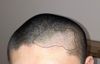
A 27-year-old Asian male is treating hair loss with 1mg oral finasteride, topical minoxidil twice daily, and 1.5mm microneedling weekly. The discussion is about his progress with these treatments.
The user received hormone test results showing normal estradiol and testosterone levels, low SHBG, and normal free androgen index. They are considering starting finasteride but are concerned due to being slightly overweight.
The conversation reassures a woman concerned about thinning hair on her crown, suggesting her hair appears normal and not thinning. Some users recommend prenatal vitamins for hair health, while others attribute the appearance to contrast between dark hair and a pale scalp.
Low testosterone and estradiol may contribute to hair loss, and blocking DHT without sufficient hormone levels might hinder regrowth. The discussion highlights the importance of hormone balance, with some considering supplements and lifestyle changes to support hair health.
The conversation discusses struggles with diffuse thinning and hair loss treatments, including the use of dutasteride, minoxidil, and finasteride, with limited success. The original poster regrets having a hair transplant at 21 due to weak donor hair and ongoing thinning.
Male pattern baldness (MPB) may be an early warning sign for type 2 diabetes due to its association with insulin resistance. Treatments discussed include testosterone therapy and finasteride, which affects hormone levels related to hair loss and insulin sensitivity.
User Kylo313 used dutasteride for 20 years and had two daughters, questioning if dutasteride affects the likelihood of having male vs female children. Replies mostly request hairline photos and discuss anecdotal experiences, with some suggesting correlation doesn't imply causation and that gender determination isn't affected by dutasteride.
User is experiencing hair thinning and sebum overproduction after starting finasteride and a hair growth supplement containing biotin, iron, zinc, and calcium. They suspect the finasteride might be fake but have noticed a side effect of watery semen.
How diffuse unpatterned alopecia (DUPA) is not an invitation to self-diagnose oneself with aggressive AGA and that seeking a specialized dermatologist may help people experiencing hair loss. Treatment options discussed include topical clobetasol propionate, oral minoxidil, and discontinuing finasteride.
Brian Dye's theory links skeletal malocclusion type II to hair loss, suggesting it's a blood flow issue. Treatments mentioned include minoxidil, finasteride, and anti-inflammatory drugs like benaxoprofen.
Some men look better with shaved heads due to facial features and low body fat, while others believe a perfect hairline enhances attractiveness. Treatments like finasteride might be used to maintain a perfect hairline.
A 16-year-old female experiencing severe hair loss and sebum buildup, likely due to telogen effluvium and PCOS, is currently using vitamin D3 supplements, Redenser serum, and T follihair supplements. Recommendations include addressing PCOS first and consulting a doctor.
The user is experiencing diffuse thinning and inflammation despite using 2.5mg dutasteride daily, ciclopirox, and ketoconazole shampoos. They are considering treatments like hydroxychloroquine and JAK inhibitors due to suspected scarring alopecia and have faced challenges in obtaining a scalp biopsy.
Hair loss is causing distress and self-esteem issues, with discussions on treatments like finasteride, minoxidil, and hair transplants. Some suggest topical treatments or lifestyle changes, while others stress the importance of confidence and self-acceptance.
The user has been using finasteride for 16 months, minoxidil for 11 months, and started microneedling 2 months ago, experiencing shedding phases. They are questioning whether they are experiencing miniaturization or regrowth.
A 17-year-old is frustrated with hair thinning and receding temples, seeking advice after a dermatologist dismissed concerns. Suggestions include starting Minoxidil for regrowth and considering Finasteride if androgenetic alopecia is suspected.
The user is experiencing one-sided diffuse thinning and has been using finasteride and liquid minoxidil for 4-5 years with minimal results. They are considering whether to save for a hair transplant or address scalp sensitivity and irritation first.
Diffuse thinners often experience more hair regrowth with DHT blockers like finasteride, possibly due to less DHT sensitivity and the presence of miniaturized, not completely bald, follicles. However, regrowth varies widely among individuals, influenced by factors like genetics, the stage of hair loss, and treatment methods such as minoxidil, microneedling, and dermarolling.
The individual is experiencing hair thinning primarily at the front/middle of their scalp and is seeking to identify the type of hair loss they have. They already use treatments like oral Minoxidil, topical Finasteride, Tretinoin gel, dermarolling, and various oils and shampoos.
A user recommends using a microscope to assess hair density and track hair loss progress, finding it useful for evaluating treatment effectiveness, particularly with dutasteride and minoxidil. They advise against obsessing over hair loss and emphasize focusing on other meaningful life aspects.
Being overweight may increase finasteride side effects due to higher aromatase activity converting testosterone to estradiol. Maintaining a healthy weight could reduce these side effects.
A 26-year-old male with high testosterone is experiencing diffuse hair thinning despite using a comprehensive treatment regimen including dutasteride, oral minoxidil, RU58841, ketoconazole shampoo, microneedling, and low-level laser therapy. Suggestions include adjusting dutasteride dosage, monitoring iron levels, and consulting a dermatologist for further evaluation.
To increase hair density appearance, options include using hair fibers, volume powders, scalp micropigmentation, and a combination of sea salt and holding sprays. Tape-in extensions and clip-in fringes are also considered, but cost and maintenance are concerns.
The user is experiencing hair thinning and brittleness, possibly due to Telogen Effluvium, which affects body hair and may be linked to stress or nutrition. They are considering using finasteride for treatment but are unsure if it will address their symptoms.
A young man with hypertrichosis has over 95% of his face covered in hair, sparking humorous comments about hair loss treatments like minoxidil and dutasteride. Users joke about transplanting his facial hair and discuss the challenges of his condition compared to typical balding.
The conversation discusses using finasteride topically for hair loss and concerns about potential side effects like feminization and impact on muscle growth. One person shared their experience with finasteride, indicating it increased testosterone and did not prevent them from gaining muscle or strength.
Finasteride and dutasteride may not significantly impact meibomian gland function since these glands do not rely on DHT. Some users report dry eyes and other side effects from finasteride, but these may be influenced by other factors or medications.