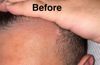
A user on finasteride, minoxidil, dermastamp, and Nizoral is seeing baby hairs and asks if it's regrowth. Another user confirms it is regrowth and encourages them to continue.
Hair follicle stem cells remain in bald individuals, but progenitor cells do not, raising questions about hair regrowth claims by Pelage. PP405 is discussed as a potential treatment, with skepticism about its effectiveness compared to existing treatments like Minoxidil and Finasteride.
A user with long-term hair loss has been using topical minoxidil, finasteride, RU58841, ketoconazole, and dermastamping for 8 months. They are unsure if the new hairs are miniaturized or vellus.
HairClone is offering a Dermal Papilla Cell Hair Multiplication procedure in Guatemala, raising questions about its effectiveness and regulatory reasons for the location. Users express skepticism and curiosity about the treatment's success and potential costs.
The conversation is about finding a suitable hairbrush for diffuse thinning hair without causing separation or flattening. The user is using oral dutasteride, minoxidil foam, Nizoral, microneedling, and Pura D’or shampoo and conditioner.
The user is experiencing new hair growth after using oral dutasteride, topical minoxidil, and microneedling, but is concerned about black dots on the hairline, which might be clogged pores or dormant follicles. The user previously used a topical minoxidil/finasteride spray and had good results, despite a shedding phase after switching treatments.
Thin, short hairs often appear in areas of hair loss but may not grow fully despite treatments like finasteride. Some users consider additional treatments like microneedling or hair transplants.
A user with diffuse thinning noticed stubble-like hairs on their scalp after using 2% ketoconazole shampoo, dermarolling, castor oil, Vitamin D3, biotin, and iron supplements. They are unsure if this indicates regrowth or miniaturized hairs.
A trans woman is using finasteride, minoxidil, microneedling, and HRT to address hair loss, with noticeable improvement in hairline shape and presence of vellus hairs. She is considering hair transplants if these treatments don't yield desired results within a year or two.
A user reported using oral Minoxidil 3mg, oral Finasteride 1mg, topical Minoxidil, dermarolling twice a week, and taking biotin and vitamin D daily for 10 weeks. They noticed small hairs growing at the hairline after 6 weeks.
The conversation discusses whether baby hairs observed after using finasteride and minoxidil will grow into terminal hairs, with mixed experiences and opinions shared on the effectiveness of these treatments for hair regrowth. Some users report positive results, while others are skeptical about the potential for significant change.
A 27-year-old male with diffuse hair loss, including the donor area, did not respond to finasteride, dutasteride, or minoxidil. He suspects his hair loss may be linked to a mild connective tissue disorder, possibly affecting the structural support of hair follicles, rather than being purely hormonal.
The conversation humorously discusses two resilient hair strands that resist DHT, with mentions of minoxidil and finasteride as ineffective treatments. Users joke about cloning the hairs and the mystery of baldness.
The conversation discusses struggles with diffuse thinning and hair loss treatments, including the use of dutasteride, minoxidil, and finasteride, with limited success. The original poster regrets having a hair transplant at 21 due to weak donor hair and ongoing thinning.
User noticed tiny black hairs on temples after using rosemary oil along with finasteride, minoxidil, and 0.5mm derma roller. They are curious if these hairs will become terminal.
A user shaved their transplanted hair during quarantine and shared positive results after one year, using Minoxidil 5%. They had 1,500 hairs transplanted via the DHI method with no visible scarring.
A 23-year-old is experiencing hair that is thick at the ends but thin at the roots despite using minoxidil and finasteride for 10 months. They are concerned about whether this is normal or a sign of miniaturization and seek advice on reversing or improving the condition.
A woman using minoxidil for hair loss is trying hair fibers but finds they look like dandruff. Suggestions include using pomade, Derm Match, matte eye shadow, mascara, and spray applicators for a more natural look.
Scalp biopsies are crucial for diagnosing hair loss conditions like Diffuse Unpatterned Alopecia (DUPA) and retrograde hair loss, as treatments like finasteride and dutasteride may not be effective if other conditions are present. Combining PPAR-GAMMA agonists with retinoids could improve treatments for conditions like Lichen Planopilaris.
Hair loss without a white bulb may indicate mechanical damage, anagen effluvium, alopecia areata, or traction alopecia. Seeking a specialist is recommended, but access can be difficult in smaller areas.
The user has been using a combination of finasteride/dutasteride, minoxidil, tretinoin, and hydrocortisone with microneedling and ketoconazole shampoo for hair loss. They are asking if the baby hairs growing will turn into terminal hairs with continued treatment.
A young man with hypertrichosis has over 95% of his face covered in hair, sparking humorous comments about hair loss treatments like minoxidil and dutasteride. Users joke about transplanting his facial hair and discuss the challenges of his condition compared to typical balding.
The user is experiencing hair regrowth with oral minoxidil and dutasteride but still has fragile hairs that easily pluck out from the front center. Despite improvements, the user is concerned about the persistent fragility and shedding of these hairs.
Hair loss discussion with a focus on a single resilient hair, jokingly called "chad hair," that remains despite hairline receding. Some users suggest microneedling and hair follicle cloning as potential treatments.
The conversation discusses HMI 115, a new hair loss treatment with promising results, showing a significant increase in hair density after two months. Some users are skeptical, while others are hopeful for its release and potential affordability.
Hair follicle cloning is claimed to be possible but not widely available due to potential safety issues, such as cancer risks. Current treatments like finasteride and dutasteride are not effective for everyone, and there is frustration over limited access to these medications.
The user is experiencing excessive hair thinning and is unsure of the cause. They are seeking opinions on treatments like Minoxidil, finasteride, and RU58841.
The conversation discusses changes in scalp texture and appearance in areas of hair loss, with concerns about the suitability of these areas for hair transplants. Users mention issues like fibrosis, inflammation, and thinner skin, advising caution and consultation with clinics before proceeding with transplants.
The conversation discusses difficulty in distinguishing between new hair growth and thinning hair at the temples after using microneedling and a rosemary peppermint topical for four weeks. The advice given is to wait a few months to see if the hairs grow out to determine their nature.