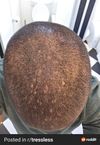
Hair fibers impressively cover bald spots, boosting confidence. User started big 3 treatment (0.5mg fin, 1 time minoxidil 5% topical, ketoconazole 2%) for regrowth.
A user plans to experiment with creating new hair follicles using methods like derma rolling, applying lithium chloride, tannic acid, and various other substances including caffeine, ketoconazole, and raspberry ketones. They also consider using anti-inflammatories, immunosuppressants, and DHT inhibitors to potentially improve results.
PP405 is moving to late-stage trials, showing potential for hair regrowth, with 31% of male patients experiencing a 20% increase in hair density. Veradermics is developing an oral minoxidil version, and there is interest in combining treatments for better results.
The user has been taking oral minoxidil, dutasteride, and biotin for 3 months and noticed changes in hair texture, suggesting potential regrowth or stabilization. Baby hairs and increased hair density are seen as positive signs.
The conversation discusses HMI 115, a new hair loss treatment with promising results, showing a significant increase in hair density after two months. Some users are skeptical, while others are hopeful for its release and potential affordability.
A 22-year-old is experiencing hair loss, particularly fuzzy hair in the front, and is concerned about male pattern baldness. Treatments mentioned include Propecia (finasteride), minoxidil, PRP treatments, dermarolling, peppermint oil, and apple cider vinegar.
A gel of keratin microspheres promotes hair follicle growth, showing similar effectiveness to minoxidil in mice. The treatment activates hair growth pathways and reduces inflammation, with potential applications in drug delivery for hair-related disorders.
The user noticed small circular hairless spots after a buzz cut and has been using finasteride, dutasteride, and oral minoxidil for hair loss. They are experiencing continuous shedding and thinning, and it is suggested they consult a dermatologist for a scalp examination and possible biopsy to determine if it's alopecia areata or androgenetic alopecia.
Low testosterone and estradiol may contribute to hair loss, and blocking DHT without sufficient hormone levels might hinder regrowth. The discussion highlights the importance of hormone balance, with some considering supplements and lifestyle changes to support hair health.
Unusual hair growth can occur in unexpected areas, possibly due to topical treatments like Minoxidil. Such hair may appear suddenly and is often unrelated to typical hairline patterns.
A 25-year-old with AGA experienced hair thinning and dandruff, stabilized with topical finasteride and minoxidil but saw minimal regrowth. They seek advice on styling and consider oral minoxidil and microneedling for denser hair.
Epibiotech will offer off-the-shelf allogeneic hair multiplication treatment in South Korea, using dermal papilla cells from donors to grow hair in balding areas. This method is cheaper and less invasive than traditional hair transplants.
The user is considering another hair transplant or scalp micropigmentation (SMP) for a congenital bald spot, but previous transplants were less effective due to scar tissue. Suggestions include using hair fibers, changing hairstyles, or doing nothing, as the spot is not very noticeable.
Balding scalps have more androgen receptors, leading to increased TGF-beta, which causes blood vessel loss and hair follicle miniaturization. Blocking androgen signaling and TGF-beta may help prevent hair loss.
The user has been taking oral finasteride for 2 months, experiencing more hair loss but noticing some fuzzy hair growth on the scalp. They are questioning if this new hair growth is significant.
Hair loss discussion includes Minoxidil and regrowth. Regrowing hairs start light and curly, then become dark and thick; losing temporal peaks is normal.
User reports 12-week progress with HIMS spray, Minoxidil, micro-needling, and biotin. Notable baby hairs on crown and temples, hoping for further improvement.
Hair fibers effectively cover thin hair areas, boosting confidence and reducing stress about hair appearance. Users discuss combining hair fibers with other products like hair spray, dermmatch, and Boldify, noting challenges like blocking minoxidil absorption and the importance of color matching.
PP405 shows potential for hair growth by increasing terminal hair and converting vellus hairs, but results are modest and more waiting is needed. It complements existing treatments like minoxidil and finasteride, but won't replace them.
Greasy or product-laden hair can make the scalp appear more visible, leading some to mistakenly think they are balding. Proper hair washing and avoiding heavy products can help assess true hair thickness, and treatments like finasteride are used by some for actual hair loss.
New potential hair loss treatment uses molecules from hairy moles to stimulate follicle growth. Topical solution requires less frequent application, like Botox injections a few times per year.
Avoid layering thin or thinning hair, as it can make hair appear thinner and uneven. Proper framing and minimal layering can help maintain a fuller look, especially when using treatments like Minoxidil and Finasteride.
A user shared progress pictures showing hair regrowth after using minoxidil and finasteride for several months. Despite skepticism, the user reports noticeable improvement and aims to motivate others with hair loss.
A user reported significant hair thickening and new baby hairs on the hairline after 11 months of using 1mg finasteride every other day and microneedling once a week. They experienced no shedding, and finasteride stopped all hair loss within 24 hours of the first pill.
Mallia Aesthetics has developed MAL-838, a hormone-free product derived from sCD83, which stimulates hair growth without disrupting the skin microbiome. sCD83 promotes hair growth by activating hair follicles and preventing cell death, offering a localized treatment without systemic side effects.
A user shared progress pictures showing improvement in PCOS-related hair loss after six months of using topical minoxidil, dermarolling 0.5mm weekly, and taking biotin gummies. They expressed happiness about the appearance of new baby hairs.
User hides baldness with side hair growth, others suggest it looks good but may not work in all conditions. Some recommend starting treatment or considering a hair transplant.
The conversation is about whether vellus hair should be included in hair fall counts, with data showing daily hair loss. The consensus is that shedding, including vellus hair, is normal and within physiological limits.
The user has been using finasteride and minoxidil for 8 years and recently started dutasteride, but still experiences thin, see-through hair. Suggestions include adding probiotics, changing hairstyle, checking hormones, supplementing vitamin D3, trying laser therapy, and improving gut health.