A 12-year-old diagnosed with alopecia shares their experience and current treatments, including Dermovate, an unnamed cream, and liquid iron. The community offers support and encouragement.
Sulfur soap may help with hair thickening and reducing scalp inflammation, but it can cause dryness. Nizoral, containing ketoconazole, is noted for its potential to reduce seborrheic dermatitis but may also cause scalp dryness and hair loss.
The conversation discusses hair loss treatments for a woman experiencing androgenetic alopecia and seborrheic dermatitis, with suggestions including low-dose oral minoxidil, dutasteride, and hormone replacement therapy. The user is seeking advice due to intolerance to spironolactone and topical minoxidil, and concerns about low testosterone and DHT levels.
The user experienced hair thinning after switching from minoxidil to finasteride, capixyl serum, and PRP treatment. They returned to minoxidil and took vitamin B12 and D3 supplements, but their hair remains thinner, and they are unsure about continuing finasteride.
Minoxidil is on sale at Costco, but it poses a significant risk to pets, especially cats. Users discuss the pros and cons of foam versus liquid minoxidil, with some preferring liquid for better results despite its greasiness and dandruff issues.
A user is discussing their experience with finasteride for diffuse thinning without a receding hairline, noting a massive shedding phase in the fourth month that is now slowing down. Other replies are off-topic and not relevant to the treatment discussion.
Aloe vera gel can help reduce scalp inflammation and "DHT itch" associated with hair loss, particularly in those with androgenic alopecia and seborrheic dermatitis. It's suggested to use aloe vera alongside treatments like finasteride and ketoconazole shampoo to manage symptoms and promote scalp health.
The trichologist avoids recommending Minoxidil, focusing instead on changing medications monthly for seborrheic dermatitis, resulting in only slight improvement in hair quality and loss. The user is considering starting Minoxidil independently due to slow progress and personal distress.
A 37-year-old male resolved scalp folliculitis by adopting a low-histamine diet and taking Vitamin A, Zinc, and Fish Oil, leading to better skin health and thicker hair. He warns about the potential toxicity of excessive Vitamin A intake.
A 22-year-old is experiencing diffuse hair thinning all over the head, losing about 300 long hairs daily, despite having good genetics and vitamin levels. They are seeking advice on whether this pattern is normal and considering consulting a dermatologist.
The user experienced tiny vellus hairs from 0.5mg finasteride and 2.5mg minoxidil over 9 months. Topical minoxidil, alfatradiol, and RU58841 applied twice daily for 1.5 months significantly improved temple hair regrowth.
User tried dutasteride, topical finasteride, oral minox, dermawounding, saw palmetto, pumpkin seed oil, and ketacozonole for hair loss. Improvement was temporary, now trying RU58841 and seeking help.
The user used finasteride but stopped due to side effects, then used topical minoxidil for 13 months, and later added KX826/pyrilutamide for 8 months. They experienced shedding after starting pyrilutamide and use minoxidil and KX826 once daily.
The user discusses the potential impact of external DHT in sebum on hair loss and plans to wash their hair daily with salicylic acid exfoliation. They believe this might help reduce hair loss despite internal factors.
A 22-year-old male experienced hair regrowth using an intermittent Dutasteride regimen, oral and topical Minoxidil, FolliHair AM/PM, and Salicia KT shampoo. He stopped Dutasteride due to side effects like dry eyes and skin, but noticed increased hair shedding after stopping.
The user experienced severe scalp itching and hair loss while on dutasteride, which they linked to caffeine and masturbation. They plan to cut out both to see if their hair density improves.
Tae147 has shared results of using pyrilutamide, a 5% concentration topical solution applied twice daily, in combination with minoxidil, to reduce scalp itchiness and hair shedding. Other users have shared their experiences with the treatment, as well as questions about its availability on the market.
Hair loss treatments, ranging from topical minoxidil and finasteride to taking hormones such as estradiol or nandrolone, as well as a controversial suggestion of an orchiectomy. A hair system is also mentioned as an alternative solution.
Diffuse thinning can result in varied regrowth, with some users experiencing better results at the hairline and others at the crown. Treatments mentioned include finasteride, minoxidil (oral and topical), RU58841, microneedling, and dermarolling.
A user shared their 5-month hair loss treatment progress using 1mg finasteride, topical minoxidil, biotin, Nizoral shampoo, and weekly dermarolling. Replies noted the user's hair was already thick, and there was interest in trying topical minoxidil.
A female user is experiencing minimal regrowth and miniaturized hair after 6 months of treatment with oral minoxidil, spironolactone, and topical minoxidil. She seeks advice on whether she can restore her remaining follicles.
The user experienced hair thinning despite using finasteride and switched to a ketoconazole shampoo without sulfates to address scalp itching and dandruff. They hope this will stop further hair thinning.
The conversation is about using minoxidil for diffuse thinning after finasteride showed no regrowth. Tips include applying minoxidil directly to the scalp, considering potential shedding, and being cautious with combining tretinoin due to possible irritation.
The user is exploring alternatives to hair transplants due to a weak donor area and is currently using finasteride, minoxidil, dermapen, low-level laser therapy, Nizoral shampoo, and a high-protein diet. They plan to switch to dutasteride and consider adding RU58841, while rejecting hair systems and considering a buzz cut.
A user experienced continuous hair shedding for six months after using topical 5% minoxidil and 0.1% finasteride. They switched to minoxidil gel and oral finasteride 1 mg due to scalp itchiness and are seeking advice on their situation.
User is experiencing severe hair loss despite using finasteride for 15 months, losing 500 hairs a day and 50% density since June. Minoxidil with needling was ineffective, and RU58841 is too expensive and hard to obtain.
The user experienced hair thinning despite using Dutasteride, topical Minoxidil, Finasteride, and Ketoconazole shampoo, but noticed improvement after adjusting their diet and vitamin intake. They plan to continue their routine and monitor changes while addressing dandruff issues.
The conversation humorously discusses an extensive and exaggerated hair loss treatment regimen, including finasteride, dutasteride, minoxidil, pyrilutamide, RU58841, and various other therapies. Despite the numerous treatments, the effectiveness is questioned, and the user humorously considers adding more minoxidil.
The conversation discusses a hair loss treatment involving oral minoxidil, topical finasteride, and a custom topical formulation with minoxidil, cetirizine, finasteride, progesterone, and hydrocortisone. The user seeks advice on the effectiveness of these ingredients for diffuse thinning.
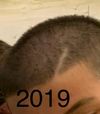
The user has been using a hair loss treatment protocol including topical dutasteride, minoxidil with tretinoin, ketoconazole shampoo, microneedling, a laser cap, and vitamin D for 15 weeks, showing impressive progress. Feedback suggests continuing medical therapy for 12-24 months before considering a hair transplant.