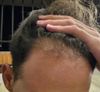
Finasteride can increase estrogen levels, causing dizziness and nausea. Users discuss adjusting treatment and diet, and explore alternatives for hair loss management.
PP405 is discussed as a potential treatment for hair loss, with excitement about its promise but skepticism about its current effectiveness. Users mention combining it with treatments like minoxidil, finasteride, and microneedling, but emphasize it is not a cure.
A 17-year-old is stressed about mild male pattern baldness and is considering treatments like minoxidil and finasteride but is concerned about starting finasteride too young. Users suggest starting with minoxidil and considering finasteride at 18, while emphasizing the importance of consulting a doctor and not obsessing over hair loss.
PP405 may help with hair regrowth, especially when combined with minoxidil and finasteride, but its long-term effectiveness is unclear. Phase 3 trials are expected to begin soon, with results in a few years.
A 31-year-old is happy with hair regrowth and thickening after using 0.5 mg dutasteride daily and 5% topical minoxidil. Initial results appeared in six months, with continued improvement over time.
A nearly 50-year-old male achieved significant hair regrowth and thickening over three years using daily finasteride, twice-daily topical minoxidil, and bi-weekly microneedling with a dermastamp. He experienced no side effects and found microneedling particularly effective for the crown area.
The user experienced hair regrowth with dutasteride but later lost progress despite using minoxidil foam and dermastamping. Suggestions included reducing dermastamping frequency, conducting blood tests, and considering oral minoxidil or different brands of dutasteride.
Japanese scientists discovered ABM cells, enabling successful human hair follicle cloning, potentially curing hair loss. The treatment may be available in Japan by 2028, but it will be expensive and require travel.
Significant hair regrowth was achieved after 8 months on oral finasteride (1mg) and 5 months on oral minoxidil (5mg) without side effects. The user stressed the importance of patience and consistency, despite initial shedding.
Hair loss treatments like finasteride and dutasteride are discussed, with concerns about side effects such as depression and brain fog. Some users argue about the necessity and impact of DHT on libido and other bodily functions.
A person is microdosing estrogen for hair loss after finasteride and dutasteride failed, risking feminizing effects. Alternatives like minoxidil, RU58841, or hair transplants are suggested.
Pedro Pascal's full head of hair is likely due to genetics, finasteride, and possibly hair transplants. Many actors use finasteride to maintain their hair.
ABS-201, a prolactin receptor blocker, shows promise in reversing hair loss and graying, with early success in macaques. Current treatments like finasteride, minoxidil, and RU58841 are still widely used, but new options like PP405 are eagerly anticipated.
Finasteride and minoxidil use resulted in a more youthful appearance and improved skin. There is debate about their effects on collagen and skin aging, with no solid evidence supporting significant changes due to finasteride.
The user switched from finasteride and topical minoxidil to dutasteride and oral minoxidil, experiencing some hair shedding but maintaining hair quality. Suggestions include increasing oral minoxidil dosage, considering a hair transplant, and using dermarolling, while some users recommend stopping treatment altogether.
A 23-year-old Italian man in Switzerland is experiencing hair loss and cannot get a prescription for Finasteride, only Minoxidil. He seeks advice on obtaining Finasteride through online pharmacies or by consulting different doctors.
A 32-year-old male noticed accelerated hair loss after turning 30 and has been using minoxidil and finasteride with breaks, but stopped finasteride due to concerns about side effects. He is considering alternatives like topical treatments, ketoconazole shampoo, and possibly a future hair transplant.
Diet and lifestyle changes can reduce hair shedding but won't regrow hair lost to genetic male pattern baldness. Treatments like finasteride and dutasteride are necessary for significant hair regrowth.
Finasteride use resulted in increased hair growth but reduced libido for some, leading users to consider topical versions to lessen side effects. Opinions varied on the trade-off between hair benefits and sexual side effects.
A user bought Kirkland Minoxidil from a TikTok shop and sought confirmation of its authenticity through a bleach test, which some users warned could be dangerous. Many participants advised against buying from TikTok due to the risk of fakes, suggesting alternatives like buying from Costco or reputable online pharmacies.
Ketoconazole shampoo does not significantly reduce systemic or scalp DHT levels and is mainly used for its anti-fungal and anti-inflammatory effects. It is not a replacement for finasteride, which is recommended by some users despite concerns about side effects.
Stemoxydine may work synergistically with minoxidil and finasteride for hair growth, but its effectiveness is debated, with some users experiencing minimal results and concerns about cost. Users suggest sticking to proven treatments like minoxidil and finasteride, while considering stemoxydine as an additional option.
The user is experiencing hair loss, possibly due to androgenic alopecia or telogen effluvium, and is considering treatments like Minoxidil, Finasteride, or RU58841. They also mention potential iron deficiency and sleep deprivation as contributing factors.
The user experienced significant hair regrowth using minoxidil, microneedling, and estrogen, leading to a need to tie their hair back. They attribute the success to estrogen suppressing testosterone, alongside their routine of minoxidil, microneedling, and supplements.
Hair loss treatments include using finasteride, dutasteride, and RU58841. Lifestyle changes like increasing carb intake and moderate alcohol consumption are suggested to boost estrogen levels.
Minoxidil is highly toxic to cats and can be fatal with minimal exposure. Users suggest switching to oral minoxidil or taking precautions to prevent pet exposure.
The conversation discusses hair loss treatments for a woman experiencing androgenetic alopecia and seborrheic dermatitis, with suggestions including low-dose oral minoxidil, dutasteride, and hormone replacement therapy. The user is seeking advice due to intolerance to spironolactone and topical minoxidil, and concerns about low testosterone and DHT levels.
Transplanted hairs are thinning after switching from topical to oral minoxidil, with increased shedding and miniaturization. The user is considering reintroducing topical minoxidil and has started using ketoconazole shampoo.
Finasteride and dutasteride may not significantly impact meibomian gland function since these glands do not rely on DHT. Some users report dry eyes and other side effects from finasteride, but these may be influenced by other factors or medications.
A male experiencing crown and frontal baldness, along with overall hair thinning, is considering starting topical minoxidil and oral finasteride. He seeks advice on dosages, potential side effects, application tips, and whether to consult a dermatologist before beginning treatment.