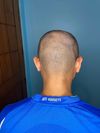
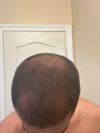
The conversation discusses the potential connection between baldness, heart disease, and high blood pressure. Treatments mentioned include Minoxidil, Spironolactone, and Finasteride.
A user who has been using finasteride and minoxidil for 4-5 months with 5000 IU of vitamin D daily to treat their hair loss, resulting in impressive progress. Other users have given advice about adding Vitamin K2 to the regimen.
Hair loss discussion involves experimenting with Sulforaphane from broccoli sprouts and possibly procyanidin b2. People seek updates on progress and if it's worth adding to treatment stack like microneedling.
Hair loss treatments, with people sharing their experiences of trying to get help from family members and how genetics can affect the severity of hair loss. Treatments mentioned include finasteride, minoxidil, RU58841, scalp massage, whey protein and bleaching.
People notice more young individuals experiencing hair loss and discuss possible reasons, such as diet, hormones, and stress. Some treatments mentioned include finasteride, dutasteride, and minoxidil.
Hair loss can stabilize at a certain level and may not be permanent, especially if hormonal. The user experienced hair regrowth after using fish oil and derma rolling, but is hesitant to use Minoxidil or finasteride.
The conversation discusses the effectiveness of Spironolactone and Finasteride for hair regrowth in females. Specific treatments mentioned are Spironolactone and Finasteride.
The conversation discusses using RU58841, a research chemical, for hair loss treatment. The user plans to use it due to side effects from finasteride and minoxidil, despite skepticism about its effectiveness and lack of FDA approval.
The user started with Finasteride at 19, added Dutasteride and Minoxidil at 26, but continues to experience hair loss. Suggestions include checking health markers, considering genetics, and possibly increasing Minoxidil dosage.
The user shared their 4-month progress using oral finasteride and topical minoxidil, with a specific application routine. They adjust the minoxidil application to manage costs, applying it daily with variations in quantity and additional tretinoin on certain days.
OP is using finasteride and minoxidil for hair loss but hasn't seen results after four months. Users advise that noticeable results typically take a year or more, and suggest daily dosing for effectiveness.
The user experienced hair thinning and used Minoxidil and Finasteride over 20+ years, with periods of stopping and restarting treatment, and eventually had a hair transplant. They are considering restarting Minoxidil and Finasteride and are curious about the effectiveness and potential shedding after resuming the treatment.
The user has been using 0.5 mg dutasteride and 2.5 mg oral minoxidil for a year, recently adding microneedling and topical minoxidil, with some improvement but the crown remains the weakest area. Consistency and realistic expectations are advised, as progress is slow and coverage is challenging with fine hair.
PP405 is a promising experimental topical treatment for alopecia that reactivates dormant hair follicles by targeting cellular energy, with large-scale trials planned for 2026. While it shows potential, it cannot regenerate permanently destroyed follicles, making hair transplants the only guaranteed solution for advanced baldness currently.
An 18-year-old is considering splitting 5mg Finasteride pills into 1.25mg doses to save money, but is concerned about potential hormonal fluctuations and side effects due to his age. Users advise caution, suggest consulting a doctor, and recommend considering lower or less frequent doses.
Finasteride and minoxidil stopped hair loss and improved urinary issues for a 34-year-old user. Despite some sexual side effects, the user plans to continue finasteride, while considering restarting minoxidil.
The user experienced positive hair growth using oral minoxidil (2.5mg) and finasteride (1mg) nightly, with no side effects or shedding. They assert the results are genuine despite others' skepticism.
A 28-year-old male experienced significant hair regrowth using dutasteride 0.5 mg and 2.5 mg oral minoxidil after previous treatments with minoxidil and finasteride became less effective. He reported no major side effects, except for unwanted hair growth in certain areas.
A 23-year-old woman is considering starting minoxidil for hair thinning but is concerned about its long-term use and effectiveness. Recommendations include consulting a doctor, checking ferritin levels, and considering treatments like spironolactone or finasteride, while minoxidil is suggested for regrowth but not as a primary treatment.
A male in his thirties with a Norwood 2 hairline questions if gym gains and supplements like creatine cause hair loss. Responses suggest that while exercise can slightly increase testosterone and DHT, genetics primarily determine hair loss, and treatments like finasteride are recommended for DHT control.
The user started taking oral finasteride (1.2mg) and minoxidil (3mg) on September 27th, seeing significant improvement in the crown area but not the hairline, with no major side effects except increased body hair. They are considering a hair transplant after a year to address the hairline.
The user is considering hair restoration options after experiencing side effects from Minoxidil and avoiding Finasteride due to concerns about side effects. They are contemplating trying Finasteride or Dutasteride and possibly undergoing a hair transplant.
Veradermics' phase 2 trial of slow-release oral minoxidil shows promising hair regrowth with minimized side effects, gaining significant attention and funding. PP405 is also noted for its potential as a side-effect-free alternative.
The user experienced significant hair regrowth after 60 days using a topical compound of Minoxidil, Finasteride, and Tretinoin, along with oral Minoxidil and Finasteride. They reported initial side effects but saw improvement in hair density and appearance.
The conversation is about a user sharing their progress with hair loss treatment using 2.5 mg oral finasteride and a 5% minoxidil spray, encouraging others to stay consistent. The user noticed results in mid-August and has not experienced side effects, despite the high dosage of finasteride.
Minoxidil can be harmful to pets, especially cats. Users report mixed results with hair loss stabilization but no regrowth, and suggest buying Minoxidil, finasteride, and RU58841 separately to save money.
A user shared their positive experience with finasteride, noting significant hair regrowth over two years without using other treatments. They reported initial brain fog but no other side effects, and others in the conversation expressed encouragement and shared their own experiences with finasteride.
A 22-year-old experiencing severe hair loss is considering using Minoxidil and finasteride despite initial reluctance, and is also using vitamins and micro-needling. They are contemplating a hair transplant but are advised to wait until at least age 30.
A user shared their 3-month progress using finasteride, minoxidil, and Nizoral shampoo for hair loss, noting significant reduction in shedding. Other users commented on their own experiences and questioned dosages.