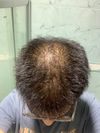
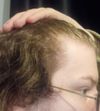
The conversation discusses hairloss treatments, specifically Minoxidil, finasteride, and RU58841. It also mentions a new hair transplant therapy approved by the government.
A 33-year-old man using finasteride, minoxidil, thickening shampoo, conditioner, and Nizoral noticed peach fuzz after a month and is hopeful for regrowth. Others shared mixed experiences, with some seeing further growth and others not.
Genetics play a major role in hairloss, with some people keeping a full head of hair into old age without using treatments like minoxidil or finasteride. Many express frustration over their own hairloss and the perceived unfairness of genetic differences.
A user shared their positive hairloss journey using 1mg/day oral finasteride, showing significant improvement after 8-9 months without side effects. They expressed relief in having control over their hairloss and are open to questions about their experience.
A 21-year-old is experiencing aggressive hairloss despite using minoxidil, dutasteride, and GFC, and is seeking advice on whether to switch treatments or consider a hair transplant. Suggestions include continuing current treatments, checking for underlying health issues, and considering alternatives like RU58841 or microneedling.
The conversation is about the role of testosterone in hairloss and the effectiveness of different treatments. The conclusion is that DHT is the main culprit for hairloss, and finasteride has been proven to work long-term in maintaining and regrowing hair. Testosterone may have a minor effect, but it is not the primary cause of hairloss.
A 21-year-old male shared his extensive hairloss treatment protocol, which includes Dutasteride, RU58841, Ketoconazole shampoo, oral Minoxidil, pyrilutamide, MK677, dermastamping, and castor oil, and reported improved hair regrowth and overall well-being. He has experienced no side effects and has also improved his diet and lifestyle.
A 16-year-old experiencing hairloss seeks treatment advice. They decide to start with Serioxyl, Ketoconazole shampoo, and Eucapil, considering Minoxidil and Finasteride for later use.
Body hair is more resilient than scalp hair due to different gene expressions and DHT sensitivity. Treatments like minoxidil and finasteride are used for hairloss, but they have varying effects on body and scalp hair.
A 20-year-old male uses oral finasteride daily, ketoconazole shampoo, rosemary and castor oil, and dermarolls for hairloss. Despite initial shedding and some baby hair growth, he worries these treatments may not be enough long-term.
A 23-year-old has been using minoxidil, finasteride, 2% ketoconazole shampoo, biotin, a multivitamin, and microneedling to address hairloss, noticing baby hairs and a fuller frontal hairline but concerns about a thin right temple. They are considering adding rosemary oil and switching to a 1.5 mm dermastamp for further improvement.
A 15-year-old is seeking advice on preventing hairloss, identified as Norwood level 2, and wants tips for growing long hair. They have consulted a trichologist who recommended specific shampoos.
A 31-year-old who experienced severe hairloss during medical school tried various treatments, including topical and oral finasteride and minoxidil, but stopped due to side effects. They restarted treatment 10 months ago with a regimen including topical finasteride, minoxidil, retinoic acid, hydrocortisone, oral minoxidil, and light therapy, emphasizing the importance of consistency and skincare.
A user has been experiencing hairloss despite using dutasteride, oral minoxidil, micro-needling, a sult1a1 booster, and low-level laser treatment. They are seeking advice on other potential treatments or causes for their hairloss.
A user is seeking advice on enhancing their hairloss treatment regimen, which currently includes finasteride, minoxidil, saw palmetto, and Nizoral shampoo, with plans to add oral minoxidil, a laser cap, and various supplements. They are considering purchasing additional treatments like topical finasteride, melatonin, Eucapil, and Stemoxydine from Indian and international sources.
A user's hairline recovery after severe hairloss, which was treated with Dutasteride and Minoxidil; other users offered their opinions on the severity of the hairloss.
The user is experiencing severe hair thinning and is using multiple treatments including topical finasteride, minoxidil, tretinoin, latanoprost, oral minoxidil, dutasteride, saw palmetto, and derma wounding. They are considering adding RU58841 and are contemplating a hair transplant and exosomes due to frustration with current results.
The conversation is about dealing with hairloss during university, with the original poster using dutasteride and minoxidil as treatments. Participants share their experiences and coping strategies, such as wearing hats, considering going completely bald, or getting a hair transplant after graduation.
An 18-year-old is experiencing hairloss and side effects from using topical Minoxidil and Finasteride. They are seeking advice on managing hairloss and side effects, including reduced libido and dry scalp.
Hairloss treatments vary greatly in effectiveness and timelines, with no guaranteed results. Common treatments mentioned include finasteride, minoxidil, and RU58841.
An 18-year-old male has been using finasteride for 11 months, minoxidil since September, dutasteride weekly, chelated iron supplements, and derma rolling, but his hairloss has worsened. He switched finasteride brands from Finalo and Finbald, and is concerned about decreased hair density.
Combining therapies like scyllo-inositol, alpha-ketoglutarate, and autophagy-inducing supplements may enhance hair growth and prevent hairloss. Reporting individual results can accelerate progress in hairloss treatments.
The user is experiencing severe hairloss despite using finasteride for 10 months and suspects scalp buildup might be contributing. Suggestions include using ketoconazole shampoo, consulting a dermatologist, and trying terbinafine cream.
The conversation discusses hairloss treatments, with users suggesting the use of finasteride daily, considering minoxidil for aggressive hairloss, and discussing the normalcy of shedding during treatment. Some users recommend adding Nizoral shampoo and switching to dutasteride for better results.
Caffeine might raise stress hormones, potentially worsening hairloss. Telogen effluvium is often misattributed to minor stressors rather than significant life events.
The conversation is about hairloss anxiety and treatments like Minoxidil and finasteride. Users discuss self-acceptance, relationship support, and alternatives like shaving or learning to cut hair at home.
The user experienced hairloss and used Minoxidil and Finasteride to improve hairline and density, but stopping Minoxidil led to a setback. They plan to continue both treatments daily to increase hair density and are considering applying Minoxidil to the entire scalp.
A 19-year-old is unsure if their hair is receding or just maturing and is seeking opinions before starting treatments like Minoxidil, finasteride, or RU58841. They shared recent and past photos to compare changes over a few months.