Low-level laser therapy hats for hair loss, with skepticism about their effectiveness and cost. Users suggest trying affordable alternatives instead of expensive options.
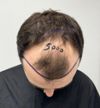
A user underwent a 3750 graft hair transplant in Turkey, initially promised 4500 grafts, and is satisfied with the results despite some concerns about donor site size and crown coverage. The user has been on medications like finasteride and minoxidil for about four months and may consider a second transplant in the future.
Before getting a hair transplant, it's crucial to research and understand that ongoing treatments like finasteride, dutasteride, or minoxidil are necessary to maintain results. Concerns were raised about Turkish clinics, including overharvesting grafts, lack of regulations, and discouraging finasteride use.
Some individuals experience side effects from 5AR inhibitors like finasteride and are considering hair transplants without these medications, with some opting for surgeons like Dr. Zarev. Others are exploring alternative treatments and waiting for new medications in development, while some discuss managing side effects through lifestyle changes or additional medications.
The user started on Finasteride, switched to Dutasteride, and is considering microneedling but was advised against it by their hair surgeon due to potential scalp issues affecting a planned hair transplant. Other users suggest alternatives like Minoxidil, PRP, and avoiding microneedling due to the risk of scar tissue impacting transplant results.
The user had a hair transplant of 3400 grafts, primarily focusing on the hairline, and is happy with the results four months post-surgery. They used topical minoxidil, oral minoxidil, finasteride, and topical dutasteride, along with microneedling and Nizoral, and the procedure cost around $12,000.
Low-Level Laser Therapy (LLLT) for hair loss is effective but requires consistent use and device replacement every 1-2 years. The treatment is costly, and results may not be permanent without continued use.
A user is seeking recommendations for dermatologists or hair clinics in the Greater Sacramento or Bay Area for exosome treatments, comparing topical application plus microneedling versus direct scalp injections. They are also asking for personal experiences and before-and-after photos.
A user is very satisfied with their hair transplant results, despite choosing a straight hairline against the doctor's advice for a more natural look. Some commenters think the hairline looks artificial, while others discuss the importance of a natural-looking hairline and inquire about any medications used post-transplant.
A user warns against buying the Koreabeautics V2 microneedling pen, claiming it's marketed through fake success stories and is overpriced. Another user shares their experience, acknowledging the pen's quality but agreeing it's too expensive and reliant on frequent needle head replacements.
The conversation is about an 18-year-old's progress with hair regrowth using oral Minoxidil, dermarolling, and RU58841 over three months, starting treatment after beginning to lose hair at 16. Participants are impressed with the improvement and encourage continued treatment.
User seeks participants for Verteporfin group buy. Verteporfin, FDA approved, may regenerate hair follicles and sweat glands through heavy microneedling.
The conversation discusses the difference in attitudes toward hair loss treatments, with a focus on lifestyle changes and hair transplant surgery in Hong Kong, as opposed to treatments like minoxidil, finasteride, and microneedling discussed on 'tresless'. The user is now using finasteride and minoxidil and considering microneedling.
The conversation is about the correct way to do microneedling for hair loss, with some users suggesting the user is pressing too hard and causing too much bleeding, while others think the amount of blood is fine. Specific treatments mentioned include microneedling, with advice to disinfect the roller and possibly use a shorter needle length.
The user is seeking advice on hair transplant techniques and surgeons to reshape a natural widow's peak into a more rounded hairline, preferring long hair transplants with minimal scarring and maximum density. They are currently using finasteride and oral minoxidil, which have not been effective, and are considering various surgeons primarily in English-speaking countries and the EU, excluding Turkey.
A user shared their positive experience with a hair transplant in Patna, using 1800 grafts to enhance their hairline and temple points. The procedure cost around Rs 85K, and the user is pleased with the natural-looking results.
Hair loss treatments discussed include Minoxidil, finasteride, and RU58841. There is skepticism about claims of a breakthrough, despite FDA approval for human trials.
The user underwent a hair transplant 11 months ago and is satisfied with the results, regaining confidence. Post-operation treatments included oral minoxidil, finasteride, dutasteride, vitamin supplements, and occasional QR678 injections.
Clinical studies by Dr. Barghouthi and Dr. Bloxham indicate that Verteporfin, when used with FUE and FUT hair transplantation methods, shows promise in hair follicle regeneration and minimal scarring due to its ability to inhibit Yes-associated protein (YAP). Microneedling at depths of 3-3.5mm, combined with Verteporfin, could potentially reactivate dormant follicles, although the optimal dosage and application method are still under investigation. Concerns remain about the DHT sensitivity of regenerated follicles, highlighting the need for further research to optimize trauma levels and Verteporfin concentrations to achieve effective and scar-free hair regeneration.
A human trial of verteporfin, a drug that can inhibit wound healing by scarring and promote regeneration of original tissue and hair follicles to provide an unlimited source for hair transplants; people discussed the potential of this drug and how it could be rolled out in mainstream with more doctors getting on board.
A new human trial using an FDA-approved treatment for wound healing called Verteporfin, which may potentially be able to reverse scarring and regrow hair in that area. The trial is only lasting one month so far.
The conversation is about finding a source for sterile dutasteride for mesotherapy to avoid side effects from oral 5AR blockers. The user is currently using microneedling and 0.01% topical dutasteride and plans to use transplants.
Temporal peaks are crucial for a natural-looking hair transplant, but they are challenging to achieve due to the need for precise angles and appropriate hair thickness. Many users emphasize the importance of finding a skilled surgeon and using finasteride to maintain hairline stability.
The user is asking for opinions on low level laser light therapy for hair growth and thickening. They have been using it for a year but haven't seen significant results, attributing any regrowth to topical minoxidil.
A user humorously shared their appearance three days after a hair transplant, sparking jokes and memes about their head shape. They remained positive, acknowledging the swelling and hoping for improvement.
Man experiences happiness after seeing himself with hair, discussing treatments like transplants, hair systems, Minoxidil, and Finasteride. Users share experiences, societal expectations, and desire for accessible solutions.
The user shared their hair transplant progress, using saw palmetto, vitamins, biotin, zinc, ginseng, ozonized olive oil, and a dermaroller with serum. They avoid finasteride due to trying for a second child.
Hair loss discussion includes LLLT treatments and a satirical condition called PLLLTS, causing patients to resemble lighthouses and attract moths. Some users express concern about others taking the satire seriously.
The conversation is about finding reputable clinics in Belgium, the Netherlands, France, or Germany for PRP with double centrifugation or exosome therapy for hair loss. The user seeks recommendations based on personal experiences or good reviews.