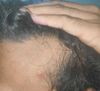
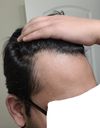
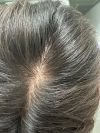
A peptide-based hair loss treatment, PP405, reportedly increased hair density by 62% in 90 days, but these claims are unverified and met with skepticism. Users compared PP405 to Minoxidil and Finasteride, expressing doubts about its effectiveness without more evidence.
A user reversed severe hair loss with dieting, lifestyle changes, and topical minoxidil, highlighting reduced inflammation and body fat. The conversation debates finasteride's effectiveness and the impact of diet and lifestyle on hair health.
The user follows a hair loss treatment routine including Propecia, oral minoxidil, ketoconazole, and plans to switch to dutasteride. They also focus on lifestyle changes, dietary supplements, and are considering laser therapy.
Quitting vaping significantly reduced hair loss for a user who was a heavy vaper and also taking finasteride. Some participants suggest nicotine's vasoconstrictive properties may worsen hair loss, while others share personal anecdotes of hair improvement after quitting smoking or vaping.
Extended-release oral minoxidil (VDPHL01) shows promising results for hair growth with improved safety, achieving significant hair count increases and minimal side effects compared to placebo. The treatment is designed to maintain effective concentrations while reducing side effects, making it a safer option for those who cannot tolerate standard minoxidil.
Pedro Pascal's full head of hair is likely due to genetics, finasteride, and possibly hair transplants. Many actors use finasteride to maintain their hair.
The user has been using a hair loss treatment regimen including RU58841, minoxidil, and dutasteride, but still experiences hairline recession and fatigue despite high testosterone levels. They are considering adjusting their dutasteride dosage due to concerns about libido and energy levels.
The user is happy with hair regrowth after 5 months using topical minoxidil twice daily, oral finasteride once daily, derma stamping weekly, and Watermans shampoo. They noticed darker hair and stopped using creatine, suspecting it worsened hair loss.
A 22-year-old using finasteride and 2% ketoconazole shampoo for hair loss sees mixed results after three months, with some improvement at the crown but worsening at the temples. Suggestions include waiting 6-12 months, considering dutasteride, adding minoxidil, microneedling, caffeine tonic, and retinol.
A 49-year-old has used finasteride for 19 years to manage hair loss, experiencing some libido changes but no major side effects, and plans to continue. They found minoxidil inconvenient but are considering restarting it with micro-needling.
The conversation discusses various treatments for hair loss, including finasteride, minoxidil, dutasteride, microneedling, and checking for nutrient deficiencies. Some users suggest adding hydrocortisone butyrate, low-dose progesterone, or tretinoin to treatment regimens, while others recommend cosmetic solutions like Toppik hair fibers or shaving the head.
The conversation is about Brad Pitt's hair and whether he has had a hair transplant or used finasteride. Some users believe that his good genetics and lifestyle choices are responsible for his hair, while others think he may have had cosmetic procedures or used hair loss treatments.
Buzzing or shaving your head can boost confidence and save money on hair loss treatments. Some prefer treatments like finasteride and minoxidil to maintain their hair.
The user shared progress pictures after using Minoxidil and oral Finasteride for eight months to treat hair loss. They experienced significant hair regrowth, and the discussion includes various opinions on the necessity and effectiveness of these treatments.
Scalp tension from the occipitalis muscle is theorized to contribute to hair loss, but most believe DHT and genetics are the main causes. Treatments like finasteride and minoxidil are considered more effective than addressing scalp tension.
A user is concerned that finasteride isn't working after 4 months and is considering switching to dutasteride due to severe hair loss. Others suggest continuing finasteride, adding minoxidil, and being patient.
The conversation discusses how many male models and celebrities likely use finasteride to prevent hair loss, with some expressing surprise that it's not just good genetics keeping their hair intact. Specific treatments mentioned include finasteride and, in one query, minoxidil.
This conversation is about a user's progress pictures of 10 month results after using 5% topical minoxidil, which were well-received by other users. Other users suggested that the user add finasteride to their hair loss treatment regimen for longer lasting results.
Minoxidil with alcohol and propylene glycol was more effective than non-alcohol versions, and RU58841 worked best in a non-water-based solution. Oral finasteride showed better results than topical, despite side effects; microneedling and tretinoin worsened hair loss, and PRP was only helpful when younger.
A user shares their positive experience using the Rootique Dou applicator with 0.005% finasteride, noting it effectively delivers the product without greasiness and helps with hair regrowth without side effects. Another user reports regrowth using low-dose finasteride from ULO, while avoiding tretinoin due to skin irritation.
A 26-year-old male with earlyhair thinning is using finasteride, topical minoxidil, and supplements for deficiencies in iron, B12, and vitamin D3. He is considering adding oral minoxidil to his treatment plan.
The user is considering starting topical minoxidil to address a receding hairline and mild dandruff. They are seeking advice on potential effects and side effects of the treatment.
Diffuse thinning is often due to androgenetic alopecia, and DHT blockers like finasteride are recommended. Treatments mentioned include minoxidil, finasteride, dutasteride, and RU58841, with emphasis on starting early and using a holistic approach.
A 43-year-old started a hair loss routine using Hims 3-in-1 chewable, topical minoxidil, rosemary oil, supplements, and microneedling, showing early progress in less than two months. The user plans to grow their hair back as it becomes thicker, expressing satisfaction with the current results.
The user is experiencing continued hair loss despite using minoxidil, finasteride, tretinoin, and microneedling. They are considering a hair transplant due to lack of response to current treatments.
The user is experiencing earlyhair thinning and is currently using finasteride and ketoconazole shampoo. They are considering adding minoxidil or switching to dutasteride for stronger DHT suppression, while also checking for iron deficiency.
Male Pattern Baldness, and identifying early signs of it. The treatments discussed to combat and slow balding include finasteride, dutasteride and minoxidil.
A 19-year-old experiencing earlyhair loss started using finasteride to address diffuse thinning, despite concerns about potential side effects. They also use T/Gel and OGX Thick and Full shampoo, and have a dermatologist appointment scheduled to explore possible allergies.
For earlyhair thinning, users suggest starting with finasteride alone and considering minoxidil later if needed. Some users advise against minoxidil due to long-term dependency, while others recommend scalp massages and alternatives like red light therapy.