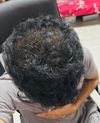
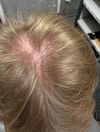
A 47-year-old male experienced significant hair regrowth over six months using 1mg oral finasteride, 5mg oral minoxidil, and 1ml 5% topical minoxidil, along with weekly derm stamping. He reported no major side effects, improved prostate health, and increased vascularity, with hair texture changes and minor nasal congestion.
The conversation discusses the potential updates on the pp405 trial for hair loss, with completion expected by December 2025. Participants express skepticism about new treatments, suggesting continued use of finasteride, while others hope for innovative solutions beyond current medications.
A 25-year-old male was initially prescribed finasteride, oral minoxidil, and topical minoxidil for hair loss but saw no improvement after a month. His doctor switched him to dutasteride, continued both minoxidil treatments, and added PRP therapy.
The user experienced worsening hair loss despite using finasteride and topical minoxidil, and is considering switching to dutasteride and oral minoxidil. They also tried microneedling and tretinoin with minoxidil, and are exploring Sulfogenz topical minoxidil.
The user is using Minoxidil, Finasteride, RLLT, Nizoral Shampoo, and microneedling for hair regrowth. They notice some thickening and new hair growth, especially in the front, but are unsure about the overall regrowth due to previous head shaving and photo comparisons.
Pelage Pharmaceutical raised $120 million to continue research on PP405, a promising hair loss treatment that showed a 20% increase in hair density in 31% of men during a Phase 2a trial. The treatment was well-tolerated, with no systemic absorption, and Phase 3 trials are planned for 2026.
PP405 is a promising new hair loss treatment that may reactivate dormant hair follicles without side effects. It could surpass traditional treatments like minoxidil and finasteride if successful in further trials.
The user experienced hair regrowth using minoxidil and finasteride but reported scalp itching, possibly due to the liquid form of minoxidil. They also use ketoconazole shampoo to manage flakes, which they clarify are not dandruff.
The user is using RU58841 for hair regrowth on the temples and is considering adding minoxidil. They are questioning the potential for vellus hairs to develop into fuller hair and the possibility of reactivating dormant follicles.
A plant-based hair growth serum using Centella shows visible results in less than 2 months with minimal side effects. It is considered a promising alternative to conventional treatments like Minoxidil and finasteride.
The user shared progress pictures showing improved hair health and growth after 10-12 months of using oral dutasteride, oral minoxidil, and topical minoxidil with finasteride. They experienced shedding initially but noticed significant progress recently.
A serum containing Centella asiatica extracellular vesicles, IGF-1, FGF-7, and caffeine significantly improved hair thickness, density, length, and reduced hair loss after 56 days. The conversation also discusses how treatments like finasteride, minoxidil, and ketoconazole address different aspects of hair loss by reducing DHT, improving blood flow, and lowering inflammation.
The user experienced hair regrowth after 5 months on 5 mg oral minoxidil and 1 mg dutasteride, following a year of ineffective finasteride use. They noticed progress after an initial shedding phase and hope for further improvement, with expectations of near-max regrowth around 18 months.
A 39-year-old experienced hair regrowth on his temples after switching from finasteride to topical RU58841 combined with 5% minoxidil. He also underwent stem cell treatment and noticed improvements, attributing the regrowth mainly to the change in treatment.
A user has been on finasteride and minoxidil for a year, along with biotin supplements, microneedling, and ketoconazole, but is experiencing heavy hair shedding and is concerned about the treatment's effectiveness. They are seeking advice and experiences from others regarding shedding and potential signs of hair regrowth.
A 28-year-old male started using oral finasteride and minoxidil on July 14th and noticed slight hair regrowth and thickness after 2.5 months, despite ongoing shedding. Another user advised that shedding is normal and encouraged continued use for up to a year for full results.
The user experienced noticeable hair regrowth after using finasteride for 2 years, oral minoxidil for 1 year, and recently starting dermarolling. The right temple shows significant improvement, while the left remains similar.
New hair loss treatments include Breezula, PP405, ET-02, KX-826, GT20029, VDPHL01, and CosmeRNA, with some showing promise in reactivating stem cells and reversing greying. Breezula and VDPHL01 are highlighted as potential add-ons or alternatives to current treatments like finasteride and minoxidil.
The user is not seeing hair regrowth after 12 weeks of using topical minoxidil and oral dutasteride, despite being on finasteride for 18 months, and is considering adding tretinoin. Another user suggests continuing the current treatment for 6-12 months before making changes.
The user switched from finasteride to dutasteride and experienced heavy hair shedding around six months in, affecting even transplanted hair. They are seeking others' experiences with similar shedding after switching medications.
The user switched from finasteride to dutasteride and experienced heavy shedding around six months in, affecting even transplanted hair. They are seeking others' experiences with similar shedding after switching to dutasteride.
The user has been using oral minoxidil 2.5 mg for 9 months and oral finasteride 1 mg for 4 months, along with microneedling, and has noticed more baby hairs and longer eyelashes but no extra overall thickness. They are considering increasing the minoxidil dose but are concerned about safety due to potential side effects.
The user achieved significant hair regrowth using topical Minoxidil and Finasteride over 2.5 years, with results plateauing after a year. They experienced minimal side effects and used microneedling to enhance results.
Finasteride is commonly used for hair loss, with mixed experiences regarding sexual side effects. Some users report no issues, while others experience difficulties, but many find increased confidence and libido.
Creatine is not proven to cause hair loss, but some report increased shedding, especially with male pattern baldness. Finasteride or minoxidil are suggested to counteract potential hair loss while using creatine.
A 24-year-old male combines topical and oral finasteride with minoxidil to combat hair loss, experiencing heavy shedding but no significant side effects. Other users share their experiences with similar combinations, including using dutasteride and ketoconazole, emphasizing that personalized routines can be effective.
The user is 4 months into using a treatment with 5mg Dutasteride and 1.25mg Minoxidil daily, along with vitamin K2 and weekly dermastamping. They report some hairline improvement but no noticeable change in the crown area yet.
A 20-year-old is using oral minoxidil, finasteride, and a dermastamp to address hair loss but is concerned about continued thinning and lack of visible regrowth after six months. They are questioning if diet, vitamin deficiencies, or dosage adjustments could impact progress.
CB-03-01 is considered a failed treatment for hair loss, with future hopes pinned on PP-405 and GT-20029, expected by 2030. Alternatives like hair transplants and SMP are discussed, while some users express frustration over the slow progress of treatments like Breezula.