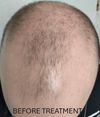
A user's experience of using finasteride to treat hair loss, including details about shedding and side effects; their regimen; and the advice given by others about diet, sport, smoking, and topical treatments.
This conversation is about the user "Such_Ad7910" sharing progress pictures of their hair loss treatments, which include minoxidil and derma rolling. They recently got a prescription for finasteride to further help with their hairline, and multiple people have commented urging them to use it.
A 21 year old male who has been taking finasteride, minoxidil and ketoconazole for 3.5 months with minimal side effects and successful hair regrowth. Genetics also seem to play a role in the user's hair loss.
The user improved their hair loss from a Norwood scale 2.5/3 to 1.5/2 using treatments including 2.5 mg dutasteride, RU58841, 15 mg oral minoxidil, isoflavones, NAC, pumpkin seed oil, NAD+, and Vipelin, but still experiences temple recession. Other users expressed concern over the high dosages of oral minoxidil and dutasteride.
A user's successful 6-month journey with Minoxidil, Finasteride and 0.05 Derma Rolling to regain their hairline, eyebrows, facial hair and overall youthful look. They also discussed the use of topical minoxidil for eyebrow thickening, as well as other skincare routines and healthy lifestyle habits.
A user's progress with treating hair loss over 3.5 months, which involves taking finasteride MWF, minoxidil daily and microneedling once a week. There was positive feedback from other users regarding the results.
.
This conversation is a satire post about a user who appears to have an abundance of hair, with other users commenting and asking questions about the treatments they use for their hair loss. Treatments discussed include minoxidil and finasteride.
The positive effects of Finasteride, a hair loss treatment; and various other treatments such as Minoxidil and Nizoral that can be used to treat hair loss. Additionally, other methods are discussed, such as micro needling and taking spearmint supplements, which have been seen to help in some cases.
Finasteride improved mental health and reduced hair loss concerns for the original poster. Other users suggested using minoxidil and derma-rolling for better results.
The user experienced significant hair thickening after using topical minoxidil and oral finasteride for about 5 months and is considering switching from finasteride to RU58841. Other users encourage the original poster to continue the current treatment due to the positive results.
Considering adding Low Level Laser Therapy (LLLT) to a hair loss prevention regimen; discussing the effectiveness of LLLT, and evaluating double-blind random-controlled trials that have been conducted on laser combs.
The user experienced significant hair regrowth using 1mg finasteride daily and 5% minoxidil twice a day over 6.5 months, improving from a Norwood 3.5 to a Norwood 2. Despite progress, they still feel their hair is thin, especially at the temples.
Ultrasound imaging can non-invasively detect active and inactive hair follicles, inflammation, and fibrosis, potentially reducing unnecessary biopsies. It may help assess hair growth potential and diagnose scalp issues, but some users believe in trying treatments regardless of ultrasound results.
The user experienced hair regrowth using oral Dutasteride and Minoxidil over 6-7 months, despite some ongoing hair shedding. They reported no significant side effects, although some users discussed potential brain fog and cognitive issues possibly linked to Dutasteride.
COVID and COVID vaccination can trigger hair loss, primarily telogen effluvium, due to stress and immune system activation. Proper diagnosis and addressing factors like nutrition and stress are crucial for recovery.
RU58841 had mixed results for hair regrowth, with some users experiencing no change and others noting regrowth but also side effects like libido issues and chest pain. Some users combined it with other treatments like finasteride and dutasteride, with varying effectiveness.
The conversation is about a 19-year-old female experiencing hair loss, potentially due to deficiencies in iron, ferritin, and vitamin D. She is considering iron and vitamin D supplementation and exploring dietary changes, while also planning to consult a dermatologist when possible.
The user is experiencing promising hair regrowth after 10 weeks of using oral minoxidil and finasteride, with noticeable new hair growth. They report no significant side effects, except for some unexpected hair growth in new areas.
Hair loss is linked to DHT, with treatments like finasteride and minoxidil being common but not definitive. Economic interests influence research, and there is potential for new treatments like PP405 and RU58841.
Microneedling may still be beneficial for those on oral minoxidil due to its effects on tissue repair and blood flow, not just absorption. Some users report mixed results, and the effectiveness of combining microneedling with oral treatments remains debated.
The user shared progress pictures of hair loss treatment using finasteride, minoxidil, and microneedling, expressing hope for recovery after an 8-9 month break. They seek advice on restarting treatment and are optimistic about regaining previous results.
Diffuse thinners often experience more hair regrowth with DHT blockers like finasteride, possibly due to less DHT sensitivity and the presence of miniaturized, not completely bald, follicles. However, regrowth varies widely among individuals, influenced by factors like genetics, the stage of hair loss, and treatment methods such as minoxidil, microneedling, and dermarolling.
A user experienced significant hair shedding after three years on finasteride, possibly due to stress or whey protein, and sought advice. Others suggested it might be a temporary shed, recommended monitoring for deficiencies, and mentioned adding dutasteride if needed.
A user shared their successful experience with hair regrowth and transitioning from male to female using minoxidil, finasteride, Nutrafol, microneedling, and hormone replacement therapy (HRT). They expressed gratitude for the results and encouraged others to explore treatments that align with their personal goals.
The user experienced hair regrowth and increased confidence after 3 months of using 2.5mg minoxidil and 0.5mg dutasteride. They noticed initial shedding but saw significant improvement, allowing them to go without wearing hats.
Scientists at UCLA have developed a promising treatment for male pattern baldness using a molecule called PP405, which can potentially stimulate dormant hair follicles. Initial trials showed significant results within a week, but larger clinical trials are needed to confirm its efficacy and safety.
A user experienced significant hair regrowth using topical minoxidil, water-soluble pumpkin seed oil, and saw palmetto. Despite not using finasteride, the user reported reduced hair loss and increased hair growth, especially around the temples and beard.
The conversation is about a user who has been using topical minoxidil for 3 months and oral finasteride for 2.5 years to combat hair loss, with positive results so far. The user is curious about future hair growth and considers additional treatments like dermarolling and low-level laser therapy.