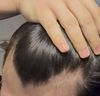
The user is using ketoconazole shampoo, 5% minoxidil, and microneedling for hair loss treatment. It's suggested that adding a DHT suppressant like finasteride could improve results.
A 25-year-old male has been using 5% Minoxidil, 1.25 mg Finasteride, and weekly microneedling for hair loss but sees no improvement after a year. Despite a healthy lifestyle, his hairline continues to recede, and he seeks advice.
If treatments like finasteride, minoxidil, PRP, microneedling, and exosomes fail, opinions differ on using a hair system or shaving. Some choose shaving for simplicity, while others consider hair systems despite maintenance concerns.
A user ordered pyrilutamide (KX826) to stop hair loss and is seeking success stories. Replies indicate that it's too early to evaluate the product's effectiveness, as it takes several months to see results.
An 18-year-old is maintaining a stable hairline using Minoxidil, topical finasteride (Fynzur), and Dermastamp, and is considering adding oral finasteride for prevention. They seek advice on whether starting oral finasteride early is necessary given their family history and current regimen.
Several new hair loss treatments are in development, with Cosmo Breezula and Kintor KX826 being the furthest along, expected to be commercialized by 2027. Veradermics is the only treatment in pill form, while others like KX/GT/Breezula will be topical.
A user has been on finasteride and minoxidil for a year, along with biotin supplements, microneedling, and ketoconazole, but is experiencing heavy hair shedding and is concerned about the treatment's effectiveness. They are seeking advice and experiences from others regarding shedding and potential signs of hair regrowth.
A 19-year-old has been using dutasteride, minoxidil tablets, microneedling, and ketoconazole shampoo for hair loss for 120 days and is unsure about the results. Other users see positive progress and encourage consistency, while one asks about side effects.
CB-03-01 is considered a failed treatment for hair loss, with future hopes pinned on PP-405 and GT-20029, expected by 2030. Alternatives like hair transplants and SMP are discussed, while some users express frustration over the slow progress of treatments like Breezula.
The user started using topical finasteride 0.025% and minoxidil 5% for hair loss but is experiencing increased shedding after two months without signs of regrowth. They are seeking advice on when to expect results or consider switching treatments.
The conversation discusses "Hair bloom" hair filler, which contains biotin, collagen, and various peptides, as a potential alternative to PRP or mesotherapy for hair loss. Opinions vary, with some suggesting it may be a cash grab or ineffective, while others believe it could complement topical minoxidil for early hair loss.
Current treatments like finasteride, minoxidil, and derma rolling are considered the best for hair loss, while new treatments such as GT20029, PP405, and others are in various trial phases with results expected in the coming years. There is cautious optimism about the affordability and effectiveness of these upcoming treatments.
Hair loss treatments like finasteride, minoxidil, and hair transplants are more accessible and effective now. Concerns about side effects and skepticism about new treatments like hair cloning and GT20029 remain.
Stemoxydine is highly recommended for hair loss, preferred over Minoxidil due to fewer side effects and dependency. The user also uses finasteride, Pur'ador shampoo, and suggests cold showers and spicy food as part of their routine.
25-year-old male with Norwood 2 hair loss tried PRP injections without success. Dermatologists didn't recommend finasteride or minoxidil, but suggested PRP + Mesotherapy for 50% improvement.
A 19-year-old noticed hair thinning and mild receding hairline, opting for a treatment regime excluding finasteride and minoxidil. The regime includes derma rolling, rosemary and coconut oil, a massage comb, a DHT-blocker shampoo, and vitamins B12 and Biotin.
User considers trying AAPE for hair restoration, costing $700 for 6 months. Others discuss its potential effectiveness and mention a study with promising results.
A user shares their positive experience using the Rootique Dou applicator with 0.005% finasteride, noting it effectively delivers the product without greasiness and helps with hair regrowth without side effects. Another user reports regrowth using low-dose finasteride from ULO, while avoiding tretinoin due to skin irritation.
The user shared their hair regrowth journey using finasteride, oral minoxidil, and dutasteride over 1.5 years, showing significant improvement. They experienced no side effects and noted increased body hair growth with oral minoxidil.
Hair loss treatments that avoid significantly lowering systemic DHT levels, focusing on topical options like dutasteride mesotherapy, minoxidil, and ketoconazole. The user is exploring alternatives like KX-826 and RU58841 due to concerns about hormone levels.
A user shared their 10-month hair loss treatment progress using 1mg Fin, 2.5mg oral Min, Keto shampoo, dermastamping, and recently added Dut. Replies noted the user had great hair before and after treatment.
The conversation is about a person experiencing treatment-resistant androgenic alopecia despite using high doses of dutasteride and minoxidil, along with other treatments like microneedling and purilutamide. Suggestions include considering a hair transplant, checking medication authenticity, and exploring other treatments like RU58841 or topical estradiol.
The user reported progress in hair regrowth after 3 months using finasteride, biotin, and minoxidil, with no sexual side effects. Most responses noted significant improvement, encouraging continued use for full results.
A user tried a Korean hair loss shampoo and treatment set, noting it improved scalp and hair quality but lacked ingredient details. Other users expressed skepticism about its effectiveness, suggesting it might not significantly impact hair loss.
Effective hair growth treatments include finasteride, minoxidil, dutasteride, and hair transplants, with additional options like microneedling, low-level laser therapy, and PRP showing some benefits. Newer treatments such as GHK-Cu peptides and ketoconazole shampoo are promising, while others like saw palmetto and biotin are less effective unless deficiencies exist.
A 26-year-old shares a 3-month update on their hair loss treatment using 1mg finasteride daily, topical minoxidil twice a day, a 1.5mm dermastamp every 10-14 days, and ketoconazole shampoo every 3 days. They are considering adding oral minoxidil and are hopeful for more progress in the coming months.
New hair loss treatments include Breezula, PP405, ET-02, KX-826, GT20029, VDPHL01, and CosmeRNA, with some showing promise in reactivating stem cells and reversing greying. Breezula and VDPHL01 are highlighted as potential add-ons or alternatives to current treatments like finasteride and minoxidil.
The user has been using finasteride for a year and recently started minoxidil, noticing reduced hair shedding but no significant regrowth. Suggestions include continuing the current regimen, adding micro-needling, and considering a hair transplant for more noticeable results.
The conversation discusses regret over delaying hair loss treatment, specifically with finasteride, and the emotional impact of hair loss. The user eventually stabilized their hair using oral finasteride after trying other treatments like topical finasteride, Fluridil, and Alfatradiol, and is considering future options like a hair transplant.
Promising hair loss treatments in clinical trials include Pyrilutamide, GT20029, CB-03-01, and PP405, with potential market releases between 2027 and 2029. Hair cloning remains experimental and expensive, while existing treatments like finasteride, minoxidil, and microneedling continue to be used.