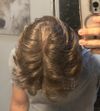
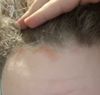
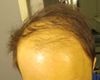
Hair loss treatments like finasteride, dutasteride, minoxidil, and RU58841. Users discuss "DHT itch" at receding hairlines and suggest using dutasteride or ketoconazole shampoo for relief.
A 21-year-old experiencing aggressive hair shedding is considering treatments like Propecia (finasteride) and Rogaine (minoxidil) to slow or stop hair loss. Recommendations include using these treatments along with Nizoral Shampoo, hair vitamins, and a derma roller to maintain and potentially regrow hair.
A 25-year-old with aggressive diffuse NW5 hair loss is using Minoxidil, oral Finasteride, RU58841, Ketoconazole, and dermastamping, experiencing slow progress and mental health struggles. Despite some visible regrowth, the user feels discouraged due to ongoing hair loss and is seeking reassurance and advice.
A 19-year-old seeking advice on hair loss treatment is considering options like Minoxidil, finasteride, and RU58841. They are looking for guidance to potentially revive their hair.
The post and conversation discuss the link between DHT (a hormone), scalp itchiness, and hair loss. Some users share their experiences and treatments, including the use of fluconazole, corticosteroids, and ketoconazole shampoo, with one user suspecting minoxidil as a potential cause of their symptoms.
The user is experiencing hair thinning and shedding despite no family history of male pattern baldness. They are considering starting treatments like Minoxidil or finasteride.
A user experiencing hair loss received three different diagnoses: androgenicalopecia, traction alopecia, and scarring alopecia, and tried treatments like minoxidil and finasteride without success. They are considering dutasteride but were advised to seek anti-inflammatory medication instead.
Diffuse thinners often experience more hair regrowth with DHT blockers like finasteride, possibly due to less DHT sensitivity and the presence of miniaturized, not completely bald, follicles. However, regrowth varies widely among individuals, influenced by factors like genetics, the stage of hair loss, and treatment methods such as minoxidil, microneedling, and dermarolling.
A method for treating androgenicalopecia using minoxidil, antiandrogens, exercise, and cold exposure to promote hair growth. Environmental factors and lifestyle changes, like diet and exercise, can improve treatment effectiveness.
Young men experiencing hair loss should consult a dermatologist and consider treatments like finasteride and minoxidil. Shaving is an option, but medications can help maintain and regrow hair, though results vary.
A 28 year old man's 18-month journey to treat his hair loss with Dutasteride, RU58841, Minoxidil, Microneedling, Nizoral and T/GEL. He experienced some side effects along the way, including translucent semen and scalp less oily.
Whey protein may slightly increase hair loss in men with androgeneticalopecia (AGA) due to elevated IGF-1 and testosterone levels, but the effect is minimal compared to treatments like finasteride and dutasteride. Many users argue that whey protein's impact on hair loss is negligible and that maintaining a healthy lifestyle is more important.
The user has been using topical minoxidil 5% for five and a half months, multivitamins with zinc for three months, and triamcinolone for almost two weeks to address hair loss. They are considering starting finasteride at age 18 and are unsure about hair regrowth progress.
A user experienced severe hair shedding and hairline recession after 10 months on finasteride. They are considering switching to dutasteride or adding minoxidil.
A user is concerned about hair thinning and is using minoxidil, considering finasteride, and planning blood tests to rule out deficiencies. They are advised to consult a dermatologist to confirm if androgenicalopecia is the cause before starting finasteride.
A 26-year-old male experienced hair regrowth using finasteride, minoxidil foam, and micro-needling over 2-3 months, with significant improvement in the crown, sides, and temples, but less in the hairline. He noted side effects like fluid retention in the ankles and weight gain but no change in libido.
A 33-year-old male restarted finasteride after stopping it to conceive, noticing hair loss, especially in the crown area. His current routine includes finasteride, minoxidil, ketoconazole, and microneedling, and he plans to continue this treatment for 18 months before making any major changes.
The user's hairline is receding despite using finasteride for 7-8 years and minoxidil for 1 year, with inconsistent usage. They are considering other treatments like microneedling.
A 20-year-old is experiencing worsening hair thinning despite using finasteride for 3 weeks and minoxidil for about a year, though inconsistently. They are seeking advice on how to proceed with their hair loss treatment.
A 21-year-old is experiencing aggressive hair loss despite using minoxidil, dutasteride, and GFC, and is seeking advice on whether to switch treatments or consider a hair transplant. Suggestions include continuing current treatments, checking for underlying health issues, and considering alternatives like RU58841 or microneedling.
A user shared their positive experience with hair regrowth using minoxidil, hormone replacement therapy, and cyproterone acetate during their male-to-female transition. Another user discussed their successful hair transplant after transitioning and using finasteride, highlighting the challenges of hair loss and regrowth during transition.
An 18-year-old is dealing with hair loss and considering minoxidil and finasteride. Suggestions include starting finasteride, saving for a hair transplant, embracing baldness, and focusing on self-improvement.
Scalp tension potentially affecting hair loss, and potential treatments for male pattern baldness such as Minoxidil, Finasteride and RU58841. Evidence from a study was discussed which suggests that the cause of MPB lies within the follicle itself and is not dependent on its surrounding environment.
A 19-year-old male has seen no improvement in hair loss after 10 months on oral finasteride and 2 years on topical minoxidil, with hair thinning and a receding hairline continuing. One reply suggests getting tests to confirm if DHT is the cause of the hair loss.
A 19-year-old experiencing diffuse thinning on the top of the head has seen some improvement with ketoconazole but is considering starting finasteride. They are seeking advice on whether to begin this treatment as they approach their 20th birthday.
Treating androgenicalopecia with minoxidil, finasteride, and antiandrogens, alongside exercise, cryotherapy, and natural substances to stimulate cold receptors for better hair growth. The method focuses on enhancing treatment effectiveness by considering environmental and behavioral factors and the role of cold receptors and muscle stress.
A 33-year-old male is starting treatment with oral dutasteride and topical minoxidil for hair regrowth. He is concerned about his receding hairline and hopes for some improvement despite years of balding.
A 19-year-old discusses feelings of envy towards men with full heads of hair, sharing their experience with hair loss since age 16. They have been using oral minoxidil and topical finasteride for two years, with initial improvement but continued shedding, and are considering switching to dutasteride.
Triple Hair Inc. developed a new topical treatment, TH07, combining Finasteride, Latanoprost, and Minoxidil for androgenicalopecia. Users discussed its effectiveness compared to other treatments and shared their own product combinations.
User discussed hair loss treatments like Minoxidil, Finasteride, RU58841, and microneedling. They talked about side effects, effectiveness, and their current plan using low-dosage Finasteride and Dutasteride.