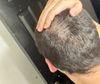
A 27-year-old is using finasteride, minoxidil, microneedling, and Pilexil shampoo to combat hairloss, with plans to add Nizoral shampoo and light stimulation. Initial results show reduced hairloss and some hair thickening, despite a period of shedding.
A user reported significant hair thickening and new baby hairs on the hairline after 11 months of using 1mg finasteride every other day and microneedling once a week. They experienced no shedding, and finasteride stopped all hairloss within 24 hours of the first pill.
A 22-year-old male experiencing hairloss suspects androgenetic alopecia (AGA) and possibly telogen effluvium (TE), with a noted improvement in scalp itch after adopting a gluten-free diet. He is advised to consider treatments like finasteride or minoxidil and to check iron and ferritin levels.
User "tresslessatbest" shares her experience with androgenic hairloss and treatments. She found success using men's Rogaine 5%, spironolactone, dermaroller, biotin, blackcurrant seed oil, prenatal vitamins, and Nizoral shampoo.
The emotional and psychological impact of hairloss in young people, how to cope with it, and potential treatments such as finasteride, RU58841, Minoxidil, SMP, and hair transplants.
Hair appearance fluctuates due to factors like styling, product buildup, and humidity, causing frustration for those with diffuse thinning. Treatments mentioned include minoxidil, finasteride, ketoconazole shampoo, and RU58841, with mixed results.
A 17-year-old is concerned about hairloss and is considering treatments like Minoxidil, finasteride, and RU58841. They feel uncertain about whether to start treatment.
A 29-year-old is using 5% topical minoxidil, 5 mg oral minoxidil, 1 mg finasteride, Nizoral shampoo, and weekly microneedling to treat hairloss, reporting significant progress in hair regrowth and hairline improvement. The routine includes applying minoxidil twice daily, managing dead skin with shampoo, and using a baseball cap to maintain hair appearance.
An 18/19-year-old male started balding at 16 and initially saw hair growth with minoxidil, but results diminished over time. He switched dermatologists and is now using a regimen of topical finasteride, minoxidil, vitamin D, and supplements, hoping for better results.
The user started experiencing hairloss at 26 and began treatment with topical minoxidil and oral finasteride. After 8 months, they noticed hair regrowth, especially baby hairs, and remain hopeful for further improvement.
The conversation suggests that people should consult a dermatologist to understand their type of hairloss before starting treatments like finasteride or dutasteride, especially if they have autoimmune issues or low DHT. Some participants believe in starting treatment like finasteride immediately if hairloss is due to DHT, while others recommend ruling out other causes and considering minoxidil first, especially for younger individuals.
A user discusses their struggle with aggressive hairloss starting at a young age and their use of various treatments, including topical finasteride, minoxidil, dutasteride, and RU58841, without significant success. Other users share their experiences and suggest trying oral finasteride or dutasteride, topical spironolactone, and maintaining a vitamin regimen, while noting potential side effects like gynecomastia.
A 33-year-old experienced hairline improvement using finasteride and minoxidil, later stopping minoxidil while continuing ketoconazole shampoo. Initial side effects included shedding, reduced libido, and anxiety, but these resolved, leading to a full hairline recovery.
A 20-year-old feels defeated about hairloss and struggles with consistent minoxidil use due to ADHD. They plan to visit an endocrinologist for finasteride and consider shaving their head while continuing treatments.
An 18-year-old experienced hairloss from age 13, tried minoxidil and finasteride, and found confidence by shaving his head. Others shared similar struggles, with some considering treatments like hair systems or transplants.
Hairloss treatments discussed include Minoxidil, Finasteride, and RU58841. HMI-115, a monoclonal antibody drug, is in phase 1 and 2 trials for different conditions, but its availability on the gray market is unlikely due to high production costs.
The user is experiencing hair thinning and visible scalp at 18, seeking advice on whether it's genetic or a scalp condition. Suggested treatments include Minoxidil, finasteride, ketoconazole shampoo, and CBD oil with MCT.
A 28-year-old male started balding at 20 and has been using Bosley Shampoo, minoxidil, finasteride, microneedling, and exosomes/PRP treatments. He also underwent scalp micropigmentation to hide thinning hair and is seeking feedback on regrowth progress.
A 25-year-old male with 10 years of hairloss is using minoxidil and considering adding finasteride or dutasteride, possibly with microneedling, to improve hair regrowth before a hair transplant. Community members suggest starting a DHT blocker immediately, considering oral minoxidil, and addressing low vitamin D and HDL levels.
A 21-year-old experiencing hairloss was prescribed two shampoos and hair vitamins by a dermatologist who suggested seborrheic dermatitis as the cause. However, users in the conversation suggested the hairloss could be male pattern baldness (MPB), recommending monitoring the situation and considering finasteride as a treatment.
A 34-year-old male is experiencing hairloss on the sides of his head, with inflammation and itchiness, while the top remains thick. He is using topical dutasteride and keto shampoo to address the issue.
A 25-year-old discusses hairloss and its impact on confidence, considering treatments like finasteride and minoxidil. Recommendations include these medications and lifestyle changes to manage hairloss.
A 44-year-old is experiencing rapid hair thinning after weight loss, despite using finasteride for two years. They have added minoxidil, vitamins, ketoconazole shampoo, derma stamping, and are considering PRP treatment while slowly introducing dutasteride.
A user shared their experience with hairloss, using finasteride and minoxidil, and eventually undergoing a hair transplant of 1800 grafts. They regret not starting finasteride earlier and mention that despite the transplant, their scalp is still visible under strong light.
The user started using minoxidil at 18 and finasteride at 19, but at 22, their hair is still getting worse. Some suggest trying dutasteride and RU58841, while others advise accepting hairloss and keeping hair short.
The user plans to combat hairloss with Finasteride 1mg daily, Minoxidil 5% twice daily, and Nizoral twice weekly. They also consider supplements like biotin, zinc, saw palmetto, and pumpkin seeds, along with a healthy diet and dermarolling.
A 20-year-old male with a high hairline seeks advice on potential hairloss, noting a family history that typically doesn't progress beyond Norwood 2. A user suggests it appears to be a mature hairline rather than hairloss and advises monitoring for changes.
A woman experienced significant hairloss due to medication, hair coloring, and heat damage, leading her to shave her head and feel distressed. She is considering using wigs and possibly oral minoxidil to manage the situation while her hair regrows.