Search
for
Sort by
Community Join
240-270 / 1000+ results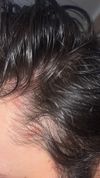
community Recent Scalp Itching and Redness, Using Tea Tree/Rosemary Oil, Advice?
The user is experiencing scalp irritation and hair thinning, possibly due to stress, with red patches on the face and dry skin. They are considering seeing a dermatologist and have used tea tree and rosemary oil.
community Anyone else have sneezing reflex when starting microneedle?
Microneedling can cause a sneezing reflex due to tingling in the nose. Users report this reaction, especially in the temple region.
community Atypical hair loss, weird response to finasteride
community Skin Aging and Minox
community Breezula is a good alternative
Clascoterone 5% solution (Breezula) is a promising alternative for androgenetic alopecia, showing continued hair growth with consistent use and no significant side effects. It may be suitable for those who cannot tolerate finasteride or dutasteride, especially when trying to conceive.
community Struggling with Oral Minoxidil & Eczema Despite Treatments Since 2020
The user has been using oral minoxidil, finasteride, and dutasteride for hair loss, along with supplements like arginine and collagen, but has seen no improvement. They also suffer from chronic eczema, which may contribute to hair loss, but it is considered reversible.
community Thinking of making my own Breezula. Any advice?
OP is considering making a 5% topical Clascoterone (Breezula) for hair loss, as they use Minoxidil but can't use Finasteride due to side effects. They seek advice on creating the topical safely, possibly with help from a trained chemist.
community I solved my scalp inflammation
A user solved their 15-year scalp inflammation and related hair loss using Selenium Sulfide shampoo (Selsun Blue), noticing improvement after the first use and resolution after three uses. Others found relief with Ketoconazole shampoo, which also helps with hair loss.
community spironolactone pills to topical
Crushing spironolactone pills and combining them with minoxidil for topical application may be effective for hair loss, with the addition of finasteride suggested. Adding rosemary and peppermint oils can help mask the unpleasant smell.
community Is MCT oil everyday ok? Sebderm Help
The conversation is about managing seborrheic dermatitis and hair loss using treatments like Nizoral, Kelual DS, KPL, and MCT oil daily. The user is concerned about the effectiveness and safety of using MCT oil every day.
community One of the best things about Finasteride and Dutasteride is no more itchy scalp
Finasteride and Dutasteride help reduce itchy scalp and dandruff caused by DHT. Users also report less acne and reduced hair loss.
community The Theory of BURN THE SCALP. !! NEW UPDATES¡¡¡
The conversation discusses a user's experiment with using hot water and a dermastamp to reduce hair loss, improve dandruff, and promote new hair growth. The user advises caution and mentions not sharing photos until more progress is visible.
community Hypertrichosis goals (yes, yes R2M)
The user aims to achieve a hypertrichosis look and has used topical Minoxidil for 20 years, now trying oral Minoxidil in a low dose. They seek alternatives to Minoxidil to avoid side effects.
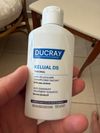
community Scalp Irritation and Hair Loss During Albania Trip
The user is experiencing scalp irritation and increased hair loss while on vacation, possibly due to hard water and sun exposure. They have stopped using a minoxidil and finasteride spray due to burning sensations and are using a prescribed betamethasone and salicylic acid solution along with ketoconazole shampoo.
community Minoxidil hack PSA for you all
Switching from liquid to foam Minoxidil to avoid scalp irritation, with a method to melt the foam for easier application. Users discuss alternatives and personal experiences with Minoxidil, including issues with propylene glycol and different application methods.
community Estradiol mesotherapy / idea feedback
The conversation discusses using estradiol mesotherapy to replicate hormone replacement therapy results while minimizing systemic exposure. It also covers the use of Spironolactone cream, which reportedly has no systemic side effects, and the potential risks of using bicalutamide and Spironolactone in men.
community Dermatitis and Nizoral
A 27-year-old male experienced hair loss and dermatitis, which improved with tea tree oil and neem extract. He is considering using a 2% Ketoconazole solution for further treatment.
community Scalp itching and tickeling- what's does it mean?
User experienced scalp itching and hair loss, but found relief with oral minoxidil. Others suggest "DHT itch" as a possible cause and recommend finasteride and ketoconazole to address it.
community Advice on Eucapil (fluridil) after minoxidil foam
User asks if applying Eucapil (fluridil) after minoxidil foam is possible. Seeks advice from others with experience.
community Water retention from topical minoxidil
Topical minoxidil can cause water retention, making the face appear swollen. Switching from liquid to foam and reducing application frequency may help; using dandelion root extract as a diuretic is also suggested.
community Epibiotech will now offer off-the-shelf allogeneic hair multiplication treatment in South Korea
Epibiotech will offer off-the-shelf allogeneic hair multiplication treatment in South Korea, using dermal papilla cells from donors to grow hair in balding areas. This method is cheaper and less invasive than traditional hair transplants.
community Is there a possibility it's only because of the SD
A user is experiencing severe hair loss, diagnosed with seborrheic dermatitis, and is using Ketoconazole and beclomethasone. They are concerned about potential female pattern baldness and are seeking reassurance and advice.
community Still getting DHT itch after 6 months on Finasteride, should I swap to Dutasteride?
User is experiencing scalp itch and hair loss despite using Nizoral, Minoxidil, derma rolling, and Finasteride for 6 months. They are considering switching to Dutasteride.
community (Vent) Going to the doctor after 2 years of hair shedding (also body)
A 26-year-old is experiencing unexpected hair shedding on the scalp, eyebrows, eyelashes, and body, along with greasy skin, and has decided to see a doctor. They are seeking advice and support.
community Anyone here actually do topical cetirizine?
The conversation discusses using topical cetirizine for hair loss and questions its effectiveness and preparation. A user expresses interest in trying it if it can be dissolved in minoxidil.
community Does applying Epidermal Growth Factor (EGF) make a difference in hair growth?
Applying Epidermal Growth Factor (EGF) topically may improve skin and potentially promote scalp health and hair growth, especially after microneedling. The user shares their positive experience with EGF and provides a product link.
community Scalp Microneedling with Stemcell and Exohealer
community Adding an emollient to Minoxidil to avoid the dryness
Minoxidil causes dryness, and adding an emollient might help. The foam version is suggested to reduce dryness.
community Connection between heat (dry/flaky scalp) and hair loss?
The user experienced hair loss and used minoxidil, biotin shampoo, and supplements like biotin, zinc, fish oil, saw palmetto, and B vitamins, which initially stopped hair loss but did not promote regrowth. They suspect heat causes a dry, flaky scalp leading to hair loss and are considering using a supplementary shampoo and possibly finasteride.