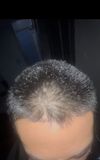
Shedding may indicate potential regrowth when using KX-826, similar to Minoxidil and finasteride. Users report improved hair quality and minor side effects like slight headaches.
Ketoconazole shampoo does not significantly reduce systemic or scalp DHT levels and is mainly used for its anti-fungal and anti-inflammatory effects. It is not a replacement for finasteride, which is recommended by some users despite concerns about side effects.
A fake hair loss product called "PP405" is being humorously discussed, with users joking about its effectiveness and availability on resale websites. The consensus is that it's a scam, with some users sarcastically claiming miraculous results.
The conversation discusses that dutasteride may be more effective than finasteride for frontal hair loss due to higher 5ar Type 1 enzyme activity in that area. Some users question the validity of this information, while others confirm it with additional sources.
A 23-year-old male is experiencing large dandruff flakes causing hair loss, despite using anti-dandruff shampoo. He seeks advice on resolving the issue, noting a family history of baldness.
Switching from spironolactone to bicalutamide caused severe hair shedding, despite using treatments like dutasteride, minoxidil, and estradiol injections. The user is experiencing androgenetic alopecia and is seeking solutions to stop the hair loss.
Switching from ketoconazole to a ciclopirox and zinc pyrithione shampoo significantly reduced hair fall. The user is considering whether to continue using ketoconazole occasionally or combine both shampoos weekly.
Scalp inflammation may contribute to hair thinning, with treatments like ketoconazole shampoo potentially helping by reducing inflammation. Some users report that DHT blockers and other treatments like finasteride, minoxidil, and RU58841 can alleviate symptoms associated with inflammation.
Excess Vitamin A and topical retinoids can cause diffuse hair shedding. The user suspects their chronic telogen effluvium may be linked to using adapalene, a topical retinoid.
The conversation is about finding sea salt sprays, volumizing powders, and waxes for hair styling and thickness, specifically available in or shippable to New Zealand. The user seeks affordable options for these hair products.
The user experienced no regrowth after nine months on minoxidil and developed red bumps after starting finasteride. They also use Nizoral 2%, which helps slightly, but minoxidil causes intense itching.
The conversation is about a 21-year-old male inquiring about the effectiveness of exosome therapy for hair thinning on the crown and considering whether to start Minoxidil while already on Finasteride and having had exosome injections 15 days ago.
Finasteride can cause oily skin and acne due to increased testosterone or sensitivity of androgen receptors. Some users find dutasteride results in less oily skin compared to finasteride.
Be skeptical of claims about new baldness cures; current treatments like finasteride, dutasteride, and minoxidil remain the best options. New products like Breezula and PP405 lack compelling evidence and may not be available soon.
Scientists discovered a potential baldness treatment from hairy moles, which can be injected like Botox. Users discussed the treatment's implications, including its safety and effectiveness.
Stem-cell hair transplants could potentially create thousands of grafts from a single donor graft, offering a solution for hair loss with DHT-resistant hair. Companies like Stemson Therapeutics and OrganTech are working on this technology, which may become available in the future, possibly reducing the cost and making it widely accessible.
The conversation discusses using Nizoral 2% for hair loss treatment without having dandruff, with advice on allowing it to absorb for 10 minutes before rinsing and a personal experience of the product causing dry and itchy scalp.
A 19-year-old is experiencing worsening hair loss and severe seborrheic dermatitis despite using finasteride for six months. Nizoral (ketoconazole) is no longer effective, and they are seeking over-the-counter solutions and advice for an upcoming dermatologist visit.
A 26-year-old from the UK is experiencing increased hair thinning despite using dutasteride and topical minoxidil. They are considering additional treatments like ketoconazole shampoo, oral minoxidil, and possibly RU58841, while seeking advice on managing side effects and exploring other options.
High-dose Lysine and Histidine supplements caused curly/kinky hair and shedding due to Elastin dysfunction. Minoxidil, white tea, and dark grape juice were mentioned as treatments to inhibit Elastase and mimic Lysyl Oxidase.
The user is using a topical solution with finasteride, minoxidil, and tretinoin and is considering adding GHK-Cu to enhance hair growth and quality. Another user suggests diluting GHK-Cu and storing it in a smaller, refrigerated bottle.
Hair loss discussion includes treatments like Minoxidil, Finasteride, and RU58841. Eucapil's effectiveness is questioned due to unconvincing clinical trial and lack of FDA approval.
The conversation is about the best vehicle for RU58841, comparing trichosol and Garnier/Vichy Stemoxydine, avoiding propylene glycol (PG) or ethanol due to previous scalp damage. The user is also seeking sources for these products in the EU.
Gut microbiota significantly influences androgen metabolism, impacting hair loss treatments like finasteride. Probiotics, dietary changes, and fecal microbiota transplants may help manage DHT levels and improve hair health.
Clascoterone phase 3 results show promising improvements in hair count, but concerns about high costs and lack of detailed data remain. Users compare it to existing treatments like Minoxidil and Finasteride, expressing skepticism about its accessibility and effectiveness.
Tretinoin may enhance minoxidil's effectiveness for those not responding to minoxidil alone, but it could reduce efficacy for some who are already responding to minoxidil. Tretinoin requires careful use, including skin moisturizing and sun protection due to increased sensitivity.
The conversation is about a user experiencing excessive hair growth on their body due to using topical minoxidil and dutasteride. The suggested solutions are shaving off the excess hair or considering laser epilation. It is mentioned that dutasteride does not cause extra hair growth, while minoxidil can stimulate hair growth in unintended areas. The user is advised to lower the dosage, concentration, or frequency of use and only apply the treatment to the desired areas.
Taking CoQ10 and fish oil supplements may lead to increased body hair growth and a crawling sensation on the scalp and skin. The user suspects these supplements could be linked to hair growth, possibly due to their effects on heart health and cholesterol management.