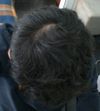
User is concerned about starting minoxidil due to potential effects on collagen production and skin aging. They have been using finasteride for almost 2 months.
A user proposed genetically engineering scalp stem cells to stop androgen receptors from causing hair loss. Others discussed the feasibility, existing research, and potential issues with this approach, including targeting the correct cells and unintended effects.
The user is considering continuing minoxidil and microneedling, possibly adding low-dose topical finasteride, and undergoing a large FUE hair transplant to improve hair appearance. They plan to use hair fibers for added density, aiming for a convincing cosmetic look rather than full density.
Concerns about metal particles from dermapen or dermaroller needles potentially entering the skin and lymph nodes, similar to tattoo needles. Discussion includes the possibility of using Minoxidil, finasteride, and RU58841 for hair loss treatment.
A 26-year-old male is unhappy with his current hair loss routine, which includes microneedling, ketoconazole shampoo, and a topical formula with Minoxidil, Finasteride, and other ingredients. He struggles with consistency due to ADHD and is considering switching to oral medication for simplicity, but is concerned about side effects and effectiveness.
The conversation is about frustration with dermatologists not effectively treating hair loss and the difficulty in obtaining prescriptions for Minoxidil and Finasteride. Some users suggest seeing specialists or general practitioners for hair loss treatment, while others share their own experiences with dermatologists and the importance of doing personal research.
A user experienced unexpected hormone test results after 7 months on 1mg daily finasteride, noting a decrease in estradiol despite expectations of an increase. Other users suggested that hormone responses can vary and that finasteride might still be effective if DHT levels are within range, while also mentioning factors like circadian rhythm and stress that could impact results.
Capilia Longa and Scandinavian Biolabs are discussed, with skepticism about their effectiveness and value. The conversation suggests avoiding these products due to high cost and perceived lack of results.
The conclusion of the conversation is that the user, djamezz, has experienced significant regrowth and improved density in their hairline by using treatments such as RU (RU58841), dut (dutasteride), and Inkey's Caffeine Scalp treatment. They are satisfied with their progress and do not plan to cut off their hair.
A user who has tried multiple treatments for hair loss, including oral and topical finasteride and liposomal finasteride, but experienced severe side effects in each case; the user is considering trying RU58841 or aromatise inhibitors as alternatives.
The user is experiencing hair regrowth with oral minoxidil and dutasteride but still has fragile hairs that easily pluck out from the front center. Despite improvements, the user is concerned about the persistent fragility and shedding of these hairs.
The user has been using a hair solution with 0.3% finasteride and 5% minoxidil, along with microneedling, but is experiencing more thinning on one side. Suggestions include checking application techniques and ensuring microneedling is not overdone.
Microneedling is effective for hair growth, especially when combined with finasteride and minoxidil, but concerns exist about potential long-term skin damage. Users report increased collagen and elastin deposition, but the long-term effects on the scalp remain uncertain.
The user is frustrated with hair loss treatments like finasteride, minoxidil, dutasteride, and oral minoxidil, which have been ineffective and caused scalp itching. They are skeptical about these treatments' effectiveness and consider alternative options like ketoconazole shampoo and RU58841.
The user is experiencing severe hair thinning and is using multiple treatments including topical finasteride, minoxidil, tretinoin, latanoprost, oral minoxidil, dutasteride, saw palmetto, and derma wounding. They are considering adding RU58841 and are contemplating a hair transplant and exosomes due to frustration with current results.
Caffeine might raise stress hormones, potentially worsening hair loss. Telogen effluvium is often misattributed to minor stressors rather than significant life events.
DHT is not the only cause of male pattern hair loss; genetic sensitivity, inflammation, and fibrosis also contribute. GHK-Cu, a copper peptide, is being explored as an alternative treatment to finasteride and minoxidil, showing potential in improving follicle health.
The user has been using finasteride and minoxidil for hair loss but experienced worsening temple recession. They suspect they might be more sensitive to testosterone and are considering trying RU58841 or CB 03 01 as additional treatments.
A 19-year-old trans man has been using Finasteride 1mg for a little over two months and is concerned about worsening hair loss, noting a fuzzy and soft hairline and crown. The user is upset as the hair loss appears worse than before starting the treatment.
The conversation discusses using microneedling combined with castor, peppermint, rosemary oils, and caffeine as a treatment for mild hair loss, aiming to stop or slow down hair loss and potentially regrow hair. The effectiveness of this treatment without side effects is uncertain, and it may slow hair loss but results vary.
A user's 2.5 months of finasteride, oral minoxidil, and dermarolling treatments for hair loss, with various users giving their opinion on the progress made.
The conversation discusses managing gynecomastia symptoms potentially caused by finasteride use, with treatments including reducing finasteride dosage, using DIM, ashwagandha, tamoxifen, epistane, and arimistane. Users share experiences and advice on balancing testosterone and estrogen levels to address symptoms.
The conversation discusses Melatonin's potential benefits for AGA and a product called "Asatex" by ASATONA AG. The company was uncooperative when contacted for purchase inquiries.
A satirical discussion on intentionally inducing hair loss using harmful habits and substances like cigarettes, junk food, anabolic steroids, and stress. The conversation humorously suggests extreme measures like chemotherapy and hydrofluoric acid, while also mentioning the ineffectiveness of sulfates and pumpkin seed oil in hair loss prevention.
A 21-year-old experiencing hair loss and depression is planning to start finasteride treatment and is asking for others' experiences. Another user responds positively, stating that finasteride has helped alleviate their depression caused by hair loss.
Breezula's phase 2 showed reduced efficacy after 6 months, but phase 3 had positive results, causing confusion about any changes made to the drug. There is frustration over the long timeline for hair loss treatments, with some users expressing more interest in other potential treatments like GT-20029.
Minoxidil, dutasteride, and copper peptides are used in a tattooing method for hair regrowth, with some users noting better results compared to oral treatments. Copper peptides are considered to have minimal impact, but the method may reduce side effects.
The conversation discusses skepticism and diminishing excitement around the hair loss treatment PP405 due to unclear trial results. It also mentions other treatments like finasteride, minoxidil, VDPHL01 (extended-release minoxidil), and GT20026 as potential options for hair loss management.