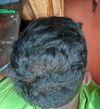
A human trial of verteporfin, a potential treatment for hair loss, with some users noting potential improvements in scarring and overall healing compared to control areas.
An 18-year-old using 5% minoxidil topically and derma rolling weekly for 1.5 months shows visible hair growth progress. The user also addresses vitamin D deficiency and thyroid imbalance with medication.
A 35-year-old male experiences rapid hair loss on his head and body despite normal test results for testosterone, thyroid, and vitamins. He previously used topical minoxidil and retinol, and doctors have been consulted without finding a clear cause.
The user has been using 15% minoxidil, rosemary oil, peppermint oil, and bi estro cream for hair loss and is noticing baby hairs but is unsure if this is new hair growth or just existing hair getting longer.
Exploring the potential of using Verteporfin to grow follicles in combination with microneedling, as well as the cost of administering a single injection and the possibility of combining it with minoxidil.
A 15-year-old is experiencing uneven hair loss, with one temple receding significantly. They are considering using finasteride, minoxidil, or dutasteride to slow hair loss before visiting a dermatologist, and may consider a hair transplant in the future.
Hair looks thinner in sunlight, and users discuss using hair fibers, minoxidil, finasteride, and considering dutasteride for hair loss. Hair fibers like Toppik help conceal thinning, and some users suggest additional treatments like derma stamping and micro-needling.
Piroctone olamine is more effective than ketoconazole for increasing hair growth and reducing itching and dandruff. Treatments discussed include Minoxidil, finasteride, and RU58841.
A user shared their positive experience and results 10 months after a hair transplant at Mercure Istanbul Clinics, using 3000 grafts. They expressed satisfaction with both the outcome and the clinic's service.
A user is seeking advice on adding dutasteride to their finasteride regimen to stop DHT-related scalp itch. They have tried selenium sulfide and ketoconazole shampoos with temporary success.
The conversation discusses the correct method of microneedling for hair loss, questioning whether it should be done on areas with long hair without risking hair damage, and if it's necessary for improving blood flow to existing hair. No specific treatments were mentioned.
Scalp sunburns can cause permanent hair loss, so wearing UPF hats is essential. Tretinoin and Tacrolimus users should be cautious of increased photosensitivity and potential scalp issues.
The efficacy of degrading the androgen receptor through dermal application in DP cells, a delivery system for topical drugs that involves dissolving microneedles, and rosemary oil as an alternative anti-androgen.
Hair loss discussion includes using stemoxydine mixed with finasteride tablets as a topical treatment. One user reports positive results with healthy hair and new growth in hairline.
How Pyrilutamide, a hair loss treatment, has improved texture and regrowth of hair without any side effects for users, who are encouraged to post progress photos.
The user experienced reduced hair loss using grey-market KX-826 alongside Minoxidil foam, achieving better results with Minoxidil liquid but restricted to foam due to an allergy. Initial side effects included shortness of breath, racing heart, and dizziness, which subsided after the first week.
KX-826/pyrilutamide is undergoing an additional one-year safety and efficacy trial in China after a six-month study. Some participants speculate on the reasons for the extended trial and discuss the potential of other treatments.
PTD-DBM is being explored for hair regrowth by targeting CXXC5, with clinical trials expected after pre-clinical studies. Users express anticipation and skepticism about its effectiveness.
A user is experiencing increased hair shedding after using a homemade topical finasteride mixture with stemoxydine for six weeks. They are concerned about whether the low dose could cause shedding so early.
The user experienced a receding hairline and tried minoxidil, which may have slowed the process but caused puffy eyes. They are hesitant to use finasteride and suspect oily dandruff might be an aggravator.
Triple Hair Inc. developed a new topical treatment, TH07, combining Finasteride, Latanoprost, and Minoxidil for androgenic alopecia. Users discussed its effectiveness compared to other treatments and shared their own product combinations.
The conversation discusses creating a topical melatonin solution for hair loss, with challenges in dissolving melatonin pills due to additives. Suggestions include using melatonin powder mixed with ethanol and glycerin.
The conversation discusses GT20029, a compound by Kintor Pharma that degrades androgen receptors and is in trials, with potential as a hair loss cure. Another promising treatment mentioned is an antibody that blocks prolactin and has shown positive results in macaques.
A user shared their 7-month progress on hair regrowth using a regimen of dutasteride, minoxidil, stemoxydine, microneedling, and keto shampoo. They noted significant improvement, particularly in vellus hair growth, and discussed the potential addition of RU58841, though they experienced side effects with it previously.
User is using a homemade topical treatment with .015% finasteride, 5% minoxidil, and microneedling at .75mm depth. They also use 2% ketoconazole shampoo, various oils, and are considering increasing finasteride concentration due to mixed results.
The user experienced hair loss due to a crash diet and later developed scarring hair loss. They are now on finasteride, oral minoxidil, LDN, Zyrtec, and Oztela to reduce scalp inflammation and promote hair regrowth.
A 26-year-old male with high testosterone is experiencing diffuse hair thinning despite using a comprehensive treatment regimen including dutasteride, oral minoxidil, RU58841, ketoconazole shampoo, microneedling, and low-level laser therapy. Suggestions include adjusting dutasteride dosage, monitoring iron levels, and consulting a dermatologist for further evaluation.
The conversation discusses a new model for understanding androgenetic alopecia (AGA), linking it to dietary and lifestyle factors similar to PCOS, and highlighting the role of DHT, vascular damage, and inflammation. Treatments mentioned include Minoxidil, finasteride, and RU58841.
The user is experiencing reduced hair shedding and increased hair density after using finasteride, minoxidil, derma rolling, granactive retinoid, and Nizoral, while also taking testosterone and aromatase inhibitors. They question if they are a hyper responder to the treatments, despite mixed feedback from others about visible progress.