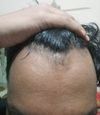
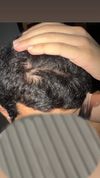
Hair loss discussion focuses on adding an anti-androgen to stack with topical finasteride. Eucapil (fluridil) is suggested for its safety and minimal side effects.
The conversation discusses hair thinning and the potential role of vitamin D deficiency in hair loss, with suggestions to take vitamin D3 supplements. The user also mentions having diffuse thinning and a slightly receding hairline.
A 19-year-old has been using finasteride, minoxidil, and microneedling to treat hair loss with no regrowth, feeling mentally affected by it. Advice given includes continuing treatment, considering a hair transplant, addressing potential vitamin deficiencies, and possibly switching to dutasteride or adding ketoconazole shampoo.
User deciding between oral and topical minoxidil, concerned about hypertrichosis and myocarditis interaction. They're using topical finasteride, LLLT, natural oils, dermastamping, and scalp massage, and considering adding oral minoxidil.
The conversation discusses various absurd theories about the causes of male pattern baldness, with some users suggesting treatments like oral dutasteride. It highlights misinformation and humorous myths, such as hair loss being linked to testosterone levels or masturbation.
A user is starting a topical finasteride treatment for diffuse patterned alopecia, having previously used minoxidil without success. They are cautious about side effects and have chosen topical over oral finasteride, while also using Nizoral and biotin in their routine.
A 22 year old man who is experiencing hair loss, thinning and dry scalp, has tried treatments such as finasteride and minoxidil, and other users sharing their experiences with similar issues.
The user has been experiencing sudden and aggressive hair shedding despite using oral dutasteride and topical minoxidil for six years, and recently added topical finasteride without improvement. Possible causes discussed include stress-related hair loss, dietary changes, or high DHT sensitivity, with suggestions to consult a doctor and consider adjusting treatments.
A user shared progress pictures 1.5 months after a hair transplant of 3500 grafts, using oral finasteride, topical finasteride, minoxidil, and vitamins. They are concerned about potential shock loss and the thinning appearance.
The conversation is about a person's hair loss treatment routine, which includes Metformin, sleep in darkness, avoiding EMF at night, Nizoral, Dermarolling, Castor oil, and Collagen. They have observed less hair shedding and increased hair volume.
A teenager experiencing hair loss is using minoxidil, a derma roller, and plans to add ketoconazole shampoo to their routine. They are advised to continue this regimen consistently for at least six months to see results, with the shedding being a normal part of the process.
Blocking DHT is not a cure for hair loss; instead, altering how scalp follicles respond to DHT might be more effective. Current treatments like topical finasteride and minoxidil are temporary solutions, and future approaches may involve gene therapy and bioengineering to change follicle behavior.
A person is struggling with hair loss despite using finasteride and minoxidil, considering dutasteride and magnesium supplements. They are advised to be patient, consider a hair transplant, and check for thyroid issues.
The post and conversation discuss the unpredictable nature of diffuse thinning, a type of hair loss. Users share personal experiences, with some mentioning treatments like oral finasteride and toppik, and the need for patience with these treatments.
Clascoterone, an acne treatment that blocks DHT, is being developed for scalp use against hair loss. The conversation also mentions Minoxidil, finasteride, and RU58841 as treatments.
User hears aunt's comment on hair loss during Easter gathering. Others discuss handling rude comments and share experiences with hair loss treatments like Minoxidil and Finasteride.
The user noticed hair thinning since age 15, initially attributed to a Vitamin D deficiency. They are currently using Rogaine and considering Propecia but are hesitant about a scalp biopsy; they seek financially practical treatments for male-pattern baldness.
The user is experiencing one-sided diffuse thinning and has been using finasteride and liquid minoxidil for 4-5 years with minimal results. They are considering whether to save for a hair transplant or address scalp sensitivity and irritation first.
Switching from finasteride and topical minoxidil to oral minoxidil and dutasteride worsened hair condition, leading to frustration and heart issues, prompting a return to topical treatments and the addition of tretinoin. Patience and consistency are advised, as these treatments can take years to show results, and abrupt changes may cause shedding.
The user stopped oral minoxidil due to side effects and is now using dutasteride mesotherapy and plans to start oral dutasteride. They are concerned about potential hair shedding and wonder if dutasteride alone will be effective.
The user is experiencing hair improvement in the central and back areas after using finasteride, minoxidil, and a galenic lotion, but the temple area is worsening. They suspect the lotion might be causing the issue and are considering stopping its use.
Cold shock therapy may promote hair growth by stimulating follicular muscles and affecting stem cells. The exact mechanisms and full range of elements involved are not yet fully understood.
The user started balding at 16/17 and tried various treatments including minoxidil, finasteride, and dutasteride with little success. They recently started applying diclofenac gel to their bald areas and noticed some hair regrowth, attributing this to diclofenac's ability to lower prolactin levels and its anti-inflammatory effects.
TWIST-1 gene's role in hair loss and potential as a treatment target. Inhibiting TWIST-1 may prolong hair growth and reduce hair follicle sensitivity to DHT.
User shares a topical hair loss solution using melatonin and cetirizine to help reduce shedding and itching. Instructions provided for creating and using the mixture, with additional lifestyle tips for overall hair health.
The user is experiencing scalp irritation from using tretinoin and alcohol-based hair loss treatments like stemoxydine. They find that Aquaphor helps with the pain but is difficult to apply in hairy areas.
The user has been using finasteride and minoxidil, then switched to dutasteride and minoxidil for six months without significant results, noticing thinning after increasing creatine dosage. They plan to consult a dermatologist to explore potential causes beyond androgenetic alopecia.
The user is considering a hair transplant for frontal temple density but is concerned about shock loss. They have been using finasteride for about two years and are advised to consider minoxidil and microneedling for better results.