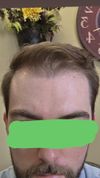
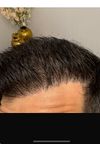
Some hair loss may be linked to chromosome 20, which isn't affected by DHT blockers like finasteride. Treatments like minoxidil, microneedling, and genetic testing are suggested, but their effectiveness for this type of hair loss is uncertain.
The user started oral minoxidil and finasteride two months after a hair transplant and plans to switch to dutasteride, using Nizoral and Mossi shampoos. They are considering a second transplant in Tijuana and using hair fibers and mousse for styling while waiting for medication effects.
A 21-year-old is experiencing significant hair loss and considering treatments like dutasteride, minoxidil, and possibly a hair transplant. Others share their experiences with finasteride, scalp micropigmentation, and hair transplants, discussing the emotional impact and offering support.
PP405 is a promising experimental topical treatment for alopecia that reactivates dormant hair follicles by targeting cellular energy, with large-scale trials planned for 2026. While it shows potential, it cannot regenerate permanently destroyed follicles, making hair transplants the only guaranteed solution for advanced baldness currently.
The user experienced hair regrowth with finasteride and minoxidil but faced shedding after stopping the treatment. They resumed the treatment and used Toppik hair fibers to mask hair thinning during the shedding phase.
A 24-year-old woman with AGA and TE since age 14 is questioning if her hair is regrowing or breaking. She has been using minoxidil consistently since September 2025, along with caffeine and ketoconazole shampoos, rosemary oil, and saw palmetto, and has improved her overall hair care routine.
The conversation discusses interest in peptides for hair loss, specifically mentioning ahkCU and ghkCU. A user is considering adding ghkCU to their treatment regimen.
Adipose-derived stem cell secretome showed significant improvement in hair density and growth, especially when combined with minoxidil, suggesting a synergistic effect. The study had limitations, including a small sample size and potential bias.
An 18-year-old male experiencing hair thinning and loss is using oral minoxidil, topical minoxidil, finasteride, and a multivitamin as prescribed by a dermatologist. He's having difficulty applying the topical minoxidil effectively due to his hair length, as he feels a lot of it stays on his hair instead of reaching the scalp.
A user noticed non-itchy, non-bleeding spots on their scalp while experiencing hair loss. Replies suggest the spots are likely sunspots or liver spots and recommend seeing a dermatologist; hair loss is attributed to male pattern baldness.
The hair transplant has a straight, unnatural-looking hairline that many find unappealing. The person is not using finasteride or minoxidil, which may affect future hair retention.
A 23-year-old has been using minoxidil, finasteride, 2% ketoconazole shampoo, biotin, a multivitamin, and microneedling to address hair loss, noticing baby hairs and a fuller frontal hairline but concerns about a thin right temple. They are considering adding rosemary oil and switching to a 1.5 mm dermastamp for further improvement.
A user reported using oral Minoxidil 3mg, oral Finasteride 1mg, topical Minoxidil, dermarolling twice a week, and taking biotin and vitamin D daily for 10 weeks. They noticed small hairs growing at the hairline after 6 weeks.
Why the top of the head is affected by hair loss more than other areas, and treatments such as surgery, medications like minoxidil, finasteride, and RU58841 to treat it.
A 27-year-old male is using a regimen of topical finasteride, minoxidil, ketoconazole, and biotin for hair loss, and has recently started oral finasteride despite previous side effects. He is considering shaving his head and is advised that a hair transplant might be possible once hair loss stabilizes.
A gel of keratin microspheres promotes hair follicle growth, showing similar effectiveness to minoxidil in mice. The treatment activates hair growth pathways and reduces inflammation, with potential applications in drug delivery for hair-related disorders.
Scalp tension potentially affecting hair loss, and potential treatments for male pattern baldness such as Minoxidil, Finasteride and RU58841. Evidence from a study was discussed which suggests that the cause of MPB lies within the follicle itself and is not dependent on its surrounding environment.
A 31-year-old man shares his 4-month hair regrowth progress using topical minoxidil, topical finasteride, microneedling, biotin, and other supplements. He reports new hair growth despite experiencing side effects from finasteride and plans to continue his regimen for further improvement.
A user with Androgenetic Alopecia is seeking advice on hair growth treatments while planning for pregnancy. Current routine includes LaserCap, Nizoral Shampoo, scalp massage, The Ordinary Multi Peptide Serum, vitamin D, prenatal vitamins, and SEEN shampoo.
Transplanted hairs are thinning after switching from topical to oral minoxidil, with increased shedding and miniaturization. The user is considering reintroducing topical minoxidil and has started using ketoconazole shampoo.
AMP-303 and AMP-601 are new hair loss treatments targeting dermal papilla cells, with AMP-303 showing early efficacy in transitioning vellus hairs to terminal hairs after one injection. Further clinical trials are planned, and these treatments are seen as promising due to their biologic approach and less frequent application compared to daily treatments.
Celonius discusses hair loss and plans for a FUE Hair Transplant, but worries about how it will look when shaved in the future. Derhab21 suggests going for the transplant and mentions potential future treatments like Breezula and stem cell injections.
Corticosterone inhibits GAS6, affecting hair follicle stem-cell activity, with potential implications for stress-related hair loss. Ashwagandha and Vitamin K are suggested for reducing cortisol, but their effectiveness is debated.
A human trial of verteporfin, a drug that can inhibit wound healing by scarring and promote regeneration of original tissue and hair follicles to provide an unlimited source for hair transplants; people discussed the potential of this drug and how it could be rolled out in mainstream with more doctors getting on board.
Hair loss treatments like Minoxidil, finasteride, and potential mRNA therapies are discussed. There is skepticism about targeting specific genes due to the complex genetic nature of hair loss.
The conversation humorously discusses two resilient hair strands that resist DHT, with mentions of minoxidil and finasteride as ineffective treatments. Users joke about cloning the hairs and the mystery of baldness.
Diffuse thinning can result in varied regrowth, with some users experiencing better results at the hairline and others at the crown. Treatments mentioned include finasteride, minoxidil (oral and topical), RU58841, microneedling, and dermarolling.
The user is seeking advice on hair transplant techniques and surgeons to reshape a natural widow's peak into a more rounded hairline, preferring long hair transplants with minimal scarring and maximum density. They are currently using finasteride and oral minoxidil, which have not been effective, and are considering various surgeons primarily in English-speaking countries and the EU, excluding Turkey.
Hair loss discussion includes treatments like Minoxidil, Finasteride, and RU58841. Users share experiences and support, mentioning that many people face hair thinning.