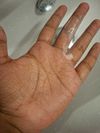
The user is experiencing a greasy and dandruff-prone scalp from using RU58841 with glycerin and is seeking alternative carriers for seborrheic dermatitis. They are also using dutasteride 0.5mg.
The user reduced their finasteride dosage from 1.25mg to 1mg and experienced scalp burning and itching. They are concerned about potential hair loss and are seeking advice from others who have made similar dosage changes.
Users discuss whether Koshine reduces sebum and scalp itchiness. Some report reduced sebum and seborrheic dermatitis, while others debate the effectiveness of anti-androgens like RU58841 for hair loss.
The user is using topical minoxidil, topical finasteride, microneedling, and Nizoral shampoo for hair regrowth. Other users suggest the appearance of regrowth might be due to brushing hair differently.
A user with scalp psoriasis and hair loss is hesitant to use topical minoxidil and finasteride due to concerns about psoriasis and potential side effects. They are considering alternatives like pumpkin seed and saw palmetto.
The user is frustrated with dermatologists who dismiss Minoxidil and finasteride as unsafe, instead recommending mustard oil, PRP, zinc supplements, and hair products. The user feels these suggestions are ineffective and is considering starting Minoxidil and finasteride despite the dermatologists' advice.
A user shared their 1-year and 3-month hair loss treatment progress using 0.5mg Dutasteride daily, topical and then oral Minoxidil, and microneedling, noting hair darkening and some side effects like watery semen and testicular pain. Despite initial setbacks after switching to oral Minoxidil, they are seeing progress and plan to increase the dosage.
The conversation is about a topical spray containing finasteride, minoxidil, and tretinoin, with users discussing its effectiveness compared to more established brands. One user mentions using a product with 5% minoxidil, 0.15% finasteride, and 0.15% tretinoin.
The conversation discusses using Rogain foam as a solvent for topical finasteride due to an allergy to propylene glycol. The foam's ingredients, including alcohol SD 40B, are considered suitable for dissolving finasteride for easier application without skin irritation.
A 43-year-old male with advanced hair loss is experimenting with alternative treatments, including red light therapy, microneedling, scalp massages, an oil mix, and ketoconazole shampoo, after previously experiencing side effects from finasteride and minoxidil. He noticed some minor changes with red light therapy but remains skeptical about significant improvement.
Pyrilutamide's effect on sebum production and scalp inflammation is unclear, with users noting no significant changes. Isotretinoin is mentioned as effective for reducing sebum, while Dutasteride and various shampoos have limited impact on oiliness and seborrheic dermatitis.
A user is trying fluridil/topilutamide for hair loss and experiencing side effects like pain in the testicles and genital discomfort. They previously had adverse effects with finasteride, dutasteride, and RU58841, and are considering other treatments like topical dutasteride and spironolactone for maintenance before a hair transplant.
User added RU58841 to their hair loss treatment and experienced quick results. Others also reported positive effects, but one user experienced chest pains as a side effect.
Woman with AGA uses microneedling, minoxidil, spiro, and laser for hair loss. Experiences redness and tenderness for three days after microneedling with Dermapen M8, asks if it's normal and the correct speed setting.
The conversation is about a user complaining about the strong smell of a stemoxydine serum used for hair loss. Other users suggest that the product might be counterfeit due to its unpleasant odor.
The conversation discusses using topical finasteride with propylene glycol, which causes scalp dryness or dandruff. The user also uses Nizoral, Nioxin, and DHT oil, and considers using a scalp conditioner to alleviate dryness.
A 23-year-old male switched to a topical solution containing Fin 0.1% and Min 5% from a previous solution with Fin 1% and Min 5%, noticing increased hair shedding. He is concerned about losing around 50 hairs while using ketoconazole shampoo.
The user saw significant hair regrowth using topical minoxidil and finasteride, even on areas not directly treated. They used local Algerian products with 5% minoxidil and 0.1% finasteride and reported no side effects.
Azelaic acid is discussed as a DHT inhibitor with no reported sexual side effects, but its effectiveness and absorption as a topical treatment are questioned. The user is interested in azelaic acid due to concerns about finasteride affecting penile health.
The user is considering using Tacrolimus Solution and topical Dutasteride to avoid shedding caused by Minoxidil, which they fear may lead to facial side effects. They are also concerned about scalp sensitivity and are exploring different treatment bases to manage seborrheic dermatitis.
User ItchyRaccoon experienced significant hair loss reduction using Eucapil after trying low-dose topical finasteride with no results. Some replies mention that shed hair counts are not reliable indicators of hair loss progression or regression.
An 18-year-old is frustrated with a dermatologist who prescribed shampoos and Betnovate instead of Minoxidil and Finasteride for hair loss and seborrheic dermatitis. The user feels misled and is considering giving up on dermatologists.
The conversation is about treatments for androgenetic alopecia, focusing on hyperresponders. Treatments include Minoxidil, finasteride, RU58841, leg training, and cold therapy.
27-year-old female experiences aggressive hair thinning and hirsutism despite normal testosterone levels. Spironolactone and 2% minoxidil were ineffective; high DHEA sulfate levels may be the cause.
The conversation is about experiencing hyper-trichosis from taking oral Castor Oil. The user reports increased hair growth on the stomach and legs but is not concerned as it is harmless and will stop when the treatment stops.
The conversation is about a user concerned about a prescribed 5 mL daily dose of 5% minoxidil for seborrheic dermatitis and hair thinning, which seems excessive compared to the typical 2 mL recommendation. The user is advised to consult their dermatologist and consider additional treatments like ketoconazole and CBD+MCT.
A 22-year-old is frustrated with ongoing hair loss despite using treatments like topical minoxidil, finasteride, microneedling, oral dutasteride, and oral minoxidil. Their dermatologist suggests treating scalp inflammation with oral tretinoin and using exosomes for alopecia.
The user stopped using minoxidil due to side effects and is trying alternatives like vitamin D supplementation, scalp massages, cold showers, oil treatments, zinc shampoo, and dermarolling. They report improved scalp health and some new hair growth, despite skepticism from others about the effectiveness of these methods.
Tazarotene may be more effective than tretinoin when combined with topical minoxidil for hair loss due to its selective binding to RAR-beta and gamma, though it can cause irritation. Tazarotene's potency can lead to indirect inflammatory reactions despite potentially causing less irritation than tretinoin.
The user stopped oral treatments due to side effects and switched to a regimen of topical minoxidil, tretinoin, azelaic acid, and dermaneedling, with recent addition of topical finasteride. They are questioning the long-term effectiveness of non-hormonal methods and considering hair transplantation.