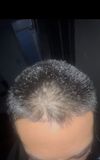
The user is experiencing a greasy and dandruff-prone scalp from using RU58841 with glycerin and is seeking alternative carriers for seborrheic dermatitis. They are also using dutasteride 0.5mg.
The conversation discusses treatments for scalp inflammation, suggesting options like scalp massage, changing shampoos, using aloe vera, Tgel, nizoral shampoo, topical cetirizine, and consulting a dermatologist. Finasteride was mentioned as helpful for reducing inflammation, but with side effects.
Minoxidil is harmful to pets, especially cats, if they contact it. Users recommend switching to oral minoxidil or taking precautions like washing hands and using head coverings to prevent exposure.
Hair loss can be influenced by chronic low-level allergies, and treatments like fexofenadine or topical cetirizine may help with regrowth. The user avoids finasteride, dutasteride, and minoxidil, and has tried Regenera Activa and PRF sessions.
Dr. Reddy's Mintop Yuva 5 Minoxidil uses benzyl alcohol instead of ethyl alcohol or propylene glycol. The user is inquiring if this formulation causes dandruff or skin peeling and if its efficacy is affected.
The user has been using 5% Minoxidil foam for three months, 1mg Finasteride for 1.5 months, weekly derma stamping, and Ketoconazole shampoo twice a week for hair loss treatment. They have not noticed any improvement since February and are concerned about baby hair falling out when applying Minoxidil and shampooing.
A 23-year-old experiencing severe diffuse thinning after scalp inflammation is considering finasteride as a last resort after stopping minoxidil and using anti-inflammatory medication. Users suggest that inflammation causes temporary shedding and recommend consulting a dermatologist, with some advocating for finasteride as a reliable treatment option.
A user diagnosed with Crohn's disease is concerned it might contribute to balding. They have been using keto shampoo, finasteride, and oral minoxidil, which improved their hair but not significantly.
High-dose Lysine and Histidine supplements caused curly/kinky hair and shedding due to Elastin dysfunction. Minoxidil, white tea, and dark grape juice were mentioned as treatments to inhibit Elastase and mimic Lysyl Oxidase.
The user experienced hair thinning with dandruff and itchiness but not complete baldness, and found relief using dermarolling and castor oil. They did not use minoxidil or finasteride and discussed the potential impact of lifestyle choices on hair loss.
The user is exploring hair loss treatments in China, currently using finasteride and minoxidil, and is concerned about seborrheic dermatitis. Clinics are recommending selenium sulfide, doxycycline, and mesotherapy ampoules like PT88/PT66 or SP88/SP66, but the user is unsure about their effectiveness.
A 19-year-old is experiencing worsening hair loss and severe seborrheic dermatitis despite using finasteride for six months. Nizoral (ketoconazole) is no longer effective, and they are seeking over-the-counter solutions and advice for an upcoming dermatologist visit.
User deciding between oral and topical minoxidil, concerned about hypertrichosis and myocarditis interaction. They're using topical finasteride, LLLT, natural oils, dermastamping, and scalp massage, and considering adding oral minoxidil.
The user has been treating hair loss with finasteride, dutasteride, oral minoxidil, and pyrilutamide for several years without success and is experiencing an inflamed scalp, possibly due to seborrheic dermatitis. They are seeking advice on additional treatments after these methods failed to improve their condition.
The conversation is about concerns regarding the safety of using stemoxydine (Serioxyl Advanced) around cats, with the user also using minoxidil, oral minoxidil, dutasteride, and microneedling for hair loss. The user is seeking advice on whether stemoxydine is toxic or lethal to cats.
A user shared progress on treating female pattern baldness with a topical solution containing Minoxidil, Dutasteride, Tretinoin, Ketoconazole, and Hydrocortisone, along with supplements like Collagen Peptides, NAC, Vitamin C, and Keratin. Another user commented on the impressive results, noting the use of topical Dutasteride.
Tretinoin may enhance minoxidil's effectiveness for those not responding to minoxidil alone, but it could reduce efficacy for some who are already responding to minoxidil. Tretinoin requires careful use, including skin moisturizing and sun protection due to increased sensitivity.
User 765bonazoli asked about experiences with Minoxidilmax topical latanoprost for hair loss. No specific treatments were mentioned in the provided text.
Adding Nizoral Shampoo (ketoconazole 2%) improved hair quality and reduced scalp irritation. Alternatives like zinc pyrithione shampoo and Piroctone Olamine were also discussed.
The user switched from liquid to foam minoxidil to reduce skin irritation but finds foam harder to apply effectively to the scalp. A suggestion was made to melt the foam into a liquid for easier application.
A 19-year-old diagnosed with AGA was refused finasteride by a dermatologist who cited fertility concerns and prescribed minoxidil, vitamins, and shampoos instead. The user is unsure about using minoxidil and considers finding another dermatologist.
The user has been using finasteride and topical minoxidil for 15 months but is experiencing constant hair shedding, similar to telogen effluvium, despite stable widow peaks. They have checked for vitamin and mineral deficiencies, consulted specialists, and are considering further investigation like a scalp biopsy.
A user with diffuse hair loss after taking accutane, which might have triggered genetic predisposition to AGA; their experience taking finasteride and experiencing side effects of increased oil production, increased sex drive, worsening hair texture; they are considering zinc supplementation with finasteride or other treatments such as alfatradiol or spironolactone.
The user experienced hair loss after Covid and started using topical minoxidil, then switched to oral minoxidil, along with Nizoral shampoo, ketoconazole shampoo, clobetasol propionate, and clindamycin ointment, which significantly reduced hair loss and scalp issues. Other users suggested trying finasteride for better results.
A user noticed non-itchy, non-bleeding spots on their scalp while experiencing hair loss. Replies suggest the spots are likely sunspots or liver spots and recommend seeing a dermatologist; hair loss is attributed to male pattern baldness.
The user is experiencing hair loss despite using estradiol, bicalutamide, dutasteride, and topical minoxidil. They stopped minoxidil temporarily, which worsened their condition, and are considering oral minoxidil but are concerned about side effects and cost.
A 24-year-old shared their 7-month progress using a topical solution of finasteride 0.1%, minoxidil 5%, and hydrocortisone butyrate 0.08%, along with ketoconazole shampoo, to treat hair loss, reporting no side effects and noticeable hair improvement. They also take vitamin D and biotin supplements, use a dermastamp, and manage Hashimoto's without thyroid medication.
A 20-year-old male experienced significant hair shedding for nearly 10 months, despite using finasteride, oral minoxidil, and ketoconazole, and is concerned about chronic telogen effluvium. He has been supplementing with vitamins and minerals but remains unsure of the cause.
Clascoterone is being discussed for hair loss, but its current acne formulation may not be suitable for scalp use due to potential skin irritation and lower dosage compared to Breezula. Users mention other treatments like finasteride, minoxidil, and pyrilutamide, with some expressing skepticism about clascoterone's effectiveness for hair loss.