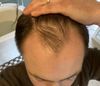
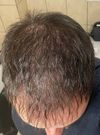
The conversation is about using DIY deoxyribose topical and botox injections for hair loss. The user is experimenting with these treatments and believes the science is strong.
The conversation discusses hair regrowth using oral minoxidil and RU58841, with visible baby hairs appearing after two months. One user questions the choice of RU58841 over finasteride.
TDM-105795 is a potential hair growth stimulant that works differently from minoxidil and could be used alongside it for enhanced growth. It completed phase 2 trials in 2024, with a medium to high chance of release in 2026, but lacks recent updates or phase 3 trial information.
A 39-year-old user experienced hair regrowth using oral dutasteride, oral minoxidil, dermastamping, and Nizoral shampoo after switching from finasteride and topical minoxidil. They are hopeful for significant improvement in their receding hairline.
A user with diffuse hair loss for a decade tried various treatments, including LLLT Helmet, supplements, topicals, and hair transplants. They found relief from scalp inflammation and itching using a topical solution made from crushed Xeljanz pills mixed with ethyl alcohol.
The conversation is about finding 1.5mm cartridges for a Dr. Pen device, with a preference for purchasing through Amazon. The discussion does not mention specific hair loss treatments like Minoxidil, finasteride, or RU58841.
The user experiences an itchy scalp and finds relief using shampoo and Zyrtec, which helps with inflammation. They are unsure if the issue is related to histamines or seborrheic dermatitis.
A user named "tresslessinseattle" receiving a mysterious package of Eucapil hair loss treatment, which they are considering in combination with Minoxidil and Finasteride treatments to boost the regrowth they have been seeing.
The conversation discusses the safety, tolerability, and efficacy of oral Setipiprant tablets for treating androgenetic alopecia compared to finasteride. It mentions the high cost of Setipiprant on the black market and the trial's end date in September 2017.
High estradiol levels may contribute to erectile dysfunction (ED) and can be addressed with lifestyle changes or medication. It's important to consult a medical professional for treatment options.
The possible increased risk of severe Covid-19 cases in men due to higher androgen levels, and how taking medications such as finasteride, dutasteride, spironolactone, enzalutamide, or canabidiol might help mitigate the severity of the disease.
Chime Biologics and Hope Medicine are speeding up the launch of a first-in-class antibody drug, HMI-115, for endometriosis and androgenic alopecia. The treatment involves a series of subcutaneous injections, has shown promising results in phase 1, and continues to promote hair regrowth even after the treatment is stopped.
The conversation is about analyzing receded temple closeups for signs of fibrosis, scarring, or androgenetic alopecia (AGA). Specific treatments like Minoxidil, finasteride, or RU58841 are not mentioned in the conversation.
The conversation discusses GT20029, a drug in Phase II trials that targets androgen receptors with minimal systemic effects, and TDM-105795, a growth stimulant with a different mechanism than minoxidil that may revive papilla stem cells. Both are potential new treatments for hair loss.
A user is concerned about the legitimacy of a hair growth serum called Lavdik, which they ordered after seeing an ad for Jemros. The product contains ginger extract, ginseng extract, fleece flower root, grape seed oil, glycerol, carbomer, propylene glycol, and rosemary oil, and the user is unsure if it is effective or a scam.
Treatments for hair loss, such as Minoxidil, finasteride, RU58841 and Eucapil; the legitimacy of RU58841 products; and safety concerns related to using RU58841.
The user is currently using oral finasteride for hair loss and considering adding Eucapil, dutasteride mesotherapy, and microneedling to their treatment regimen. They are seeking alternatives to minoxidil, such as Stemoxydine, due to concerns about minoxidil's side effects.
The conversation discusses androgen receptor degraders for hair loss, highlighting their potential advantages over traditional AR blockers like RU58841 and pyrilutamide. Concerns about the safety and cost of these treatments are also mentioned.
PP405, a topical LDH inhibitor, has shown to stimulate hair follicle stem cell proliferation in humans with moderate hair loss. They are advancing to more detailed trials this year.
The user is exploring alternatives to finasteride and dutasteride due to concerns about side effects, and is using rosemary and jojoba oil, ketoconazole, minoxidil, microneedling, multi-peptide serum, saw palmetto, and stinging nettle for hair loss. They are also considering CB 03 01 and spironolactone.
PP405 updates are seen as vague and lacking substance, causing frustration among users. Some users report positive effects from using minoxidil and dutasteride, while others remain skeptical about new treatments.
Finding and comparing providers of hair loss treatments such as Finasteride, Minoxidil and potentially Dutasteride, RU58841 and other research chemicals; the user has created a website to track suppliers of these products around the world; and various online pharmacies are recommended, including those that ship to certain countries.
KX-826/pyrilutamide is undergoing an additional one-year safety and efficacy trial in China after a six-month study. Some participants speculate on the reasons for the extended trial and discuss the potential of other treatments.
The user experienced positive scalp results with Dutasteride but noticed beard thinning, prompting a switch back to Finasteride. They plan to monitor the situation and may consider combining treatments in the future.