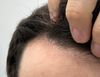
The user is starting Dutasteride mesotherapy and seeks advice on whether to apply the solution immediately after microneedling or wait 12-24 hours. They couldn't find instructions for first-timers.
Stopping finasteride may reduce water retention or alter fat distribution, leading to a leaner face. Hormonal changes, like reduced DHT or increased estrogen, could cause these effects.
The conversation discusses using high molecular weight hyaluronic acid after microneedling to form a protective barrier, though it's considered expensive and offers marginal improvement. Users share experiences with different microneedling tools like derma rollers, dermastamps, and Dr. Pen, with some opting not to use any products on the scalp.
The user has been using dutasteride, lymecycline, betamethasone, and minoxidil for hair loss but struggles with eczema and dry skin. They feel hopeless as no treatments or moisturizers have helped, and they are concerned about their appearance due to their soft facial features.
Microneedling once a week at 1mm caused bumps, possibly scars, in the treated area. The user is considering cleaning the skin before microneedling to prevent this issue.
The user reports taking high dosage oral minoxidil (10mg/day) for hair growth, which causes facial bloating. They tried using the diuretic furosemide to reduce bloating, but it was ineffective.
Tea tree oil shampoo resolved redness, itching, and increased hair thickness for the user, suggesting demodex mites as a possible cause. Nizoral was ineffective, but tea tree oil showed significant improvement over several months.
The conversation discusses preventing infection from derma stamping for hair loss treatment, with suggestions to reduce needle depth and consider alternatives like tretinoin. The user experienced irritation possibly from zinc chloride and stopped using the shampoo and derma stamping.
Microneedling aftercare involves using saline water instead of sea water, and avoiding hyaluronic acid due to its potential pro-inflammatory effects. Users suggest using jojoba oil as a carrier for essential oils like rosemary and lavender, and combining microneedling with minoxidil for better hair regrowth results.
The user has been using oral minoxidil, finasteride, and dutasteride for hair loss, along with supplements like arginine and collagen, but has seen no improvement. They also suffer from chronic eczema, which may contribute to hair loss, but it is considered reversible.
The conversation is about using micro needling and PTD-DBM for hair loss treatment. The user applies PTD-DBM drops on weekdays and performs micro needling weekly.
User noticed receding temples, used minoxidil and microneedling with positive results. Added saw palmetto and eucapil, experienced shedding and thinner hairline, but no side effects.
A user experienced an allergic reaction, including swollen lymph nodes, to Minoxidil 5% with an aqueous base. Switching to a non-alcohol-based Minoxidil (Prolox 5%) resolved the allergies.
Dutasteride and finasteride can cause watery ejaculate, which may persist for some users. Zinc supplements or switching to topical treatments are suggested to alleviate this side effect.
Minoxidil caused water retention and gastrointestinal issues for the user, which improved after stopping the medication. The user is now using finasteride and topical minoxidil, experiencing excessive urination and concerns about systemic absorption.
A user shared their hair regrowth success using microneedling with a dermaroller every 6 days and minoxidil, recommending betadine (povidone-iodine) before microneedling to sterilize the scalp and enhance results. Another user noted the potential risks of iodine toxicity.
The conversation is about a user considering reducing their dutasteride dose due to side effects like lower libido and watery semen. They plan to use dutasteride mesotherapy every three months to maintain hair while reducing systemic DHT suppression.
The user is experiencing breast tissue growth from taking dutasteride and minoxidil, and is considering reducing the dosage or stopping the medication. Suggestions include seeing an endocrinologist, using Raloxifene or Arimidex, and considering topical treatments or surgery if necessary.
The user has DUPA and suspects autoimmune activity as a cause. They have tried various treatments including finasteride, minoxidil, dutasteride, pyrilutamide, estrogel, hydrocortisone, and clobetasol, and are now seeking a long-term immunosuppressant.
Dermastamps are preferred over dermarollers for microneedling due to precision and reduced risk of scarring. Dermastamps allow for controlled, vertical needle entry, while dermarollers may cause more damage with sideways needle entry.
A user shared their 14-day recovery progress after a 3450 graft FUE hair transplant in Turkey, noting faster healing possibly due to hydrolyzed collagen supplements. They asked if others had similar experiences with or without such supplements.
A user experienced increased pimples and cysts after two years on dutasteride, possibly due to hormonal changes. Suggestions included seeing an endocrinologist, using supplements like boron and DIM, adjusting diet, and reducing body fat to manage side effects.
User discusses tight scalp causing hair loss and suggests treatments like scalp massages, PRP, saw palmetto, and eucapil. They share their experience with saw palmetto and eucapil and consider adding PRP and scalp massages for better results.
The user is exploring hair loss treatments in China, currently using finasteride and minoxidil, and is concerned about seborrheic dermatitis. Clinics are recommending selenium sulfide, doxycycline, and mesotherapy ampoules like PT88/PT66 or SP88/SP66, but the user is unsure about their effectiveness.
A 27-year-old male experienced hair loss and dermatitis, which improved with tea tree oil and neem extract. He is considering using a 2% Ketoconazole solution for further treatment.
Concerns about metal particles from dermapen or dermaroller needles potentially entering the skin and lymph nodes, similar to tattoo needles. Discussion includes the possibility of using Minoxidil, finasteride, and RU58841 for hair loss treatment.
Mixing Nizoral and T-Gel in a 1:1 ratio and using it three times a week provided relief from persistent seborrheic dermatitis. This treatment is recommended for those with stubborn SD.