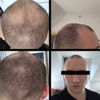
A user is anxious about starting finasteride for hair loss despite believing in its effectiveness. Others suggest starting with a lower dose and emphasize the low risk of side effects.
A user wants to add tretinoin to their nightly minoxidil and finasteride combo to increase effectiveness. They seek advice on how to mix tretinoin with the existing treatment.
A user has been using Minoxidil for 5 months and is curious about the effectiveness of topical caffeine ointments for hair loss prevention. They seek recommendations and information on whether caffeine affects Minoxidil's efficacy.
A female with AGA is considering buying finasteride online due to its effectiveness at higher doses, despite concerns about legitimacy and potential scams. She has tried spironolactone without success and is seeking advice on purchasing finasteride from websites like minoxidilexpress.
The conversation is about the role of vitamin deficiencies in hair loss and the effectiveness of treatments like Minoxidil, finasteride, and RU58841. It concludes that while vitamins and nutrition are important, they are not the primary solution for androgenic alopecia.
Microneedling and tretinoin may need to be continued indefinitely to maintain minoxidil's effectiveness for hair loss. The user is aware that stopping minoxidil will result in losing its benefits.
The conversation is about a 21-year-old male inquiring about the effectiveness of exosome therapy for hair thinning on the crown and considering whether to start Minoxidil while already on Finasteride and having had exosome injections 15 days ago.
The post is about a user's progress with hair loss and the effectiveness of finasteride as a treatment. The conclusion is that the user did not see any progress with their hair loss after being on finasteride for a year.
The conversation is about the role of testosterone in hair loss and the effectiveness of different treatments. The conclusion is that DHT is the main culprit for hair loss, and finasteride has been proven to work long-term in maintaining and regrowing hair. Testosterone may have a minor effect, but it is not the primary cause of hair loss.
User considers trying RU58841 for hair loss and asks for advice on its effectiveness and application. Responses vary, with some reporting positive results and others warning about potential risks or lack of change.
The user's experience with rosemary oil as a hair loss treatment and its effectiveness; they discuss other treatments such as finasteride, minoxidil, and RU58841; there is also discussion of combining oils like peppermint oil, zix, and dermapen.
Hair loss treatments, specifically about the effectiveness of RU58841 compared to Pyrilutamide. Molecular weights and side effects were discussed in terms of efficacy and cost-effectiveness.
Treatments for hair loss, including the effectiveness and safety of Pyrilutamide compared to RU58841; experiences using both medications with varying results; and recommendations to try Pyrilutamide instead of RU58841.
User discusses potential hair loss treatment SCUBE3 and shares mixed opinions on its effectiveness. One user reports positive results after applying SCUBE3 following microneedling.
21-year-old female experiencing hair loss and visible scalp seeks advice on PRP effectiveness. Currently taking spironolactone and krimson for high androgens, unsure if PRP can be done with these medications.
Breezula (clascoterone) initially performed better than finasteride for hair loss but then effectiveness decreased almost back to baseline after 6 months, raising questions about its strength.
Peppermint oil may accelerate hair growth, but its effectiveness for regrowing hair or restoring a receding hairline lacks evidence from human studies or personal experiments. Some online examples exist, but they may be biased by product sales.
The conversation discusses the role of DHT in male hair loss and the effectiveness of treatments like Finasteride, which reduces DHT, and RU58841, which blocks DHT from binding to scalp receptors. The user debates the trade-offs between maintaining hair and having a healthy endocrine system, suggesting RU58841 might allow for both.
The conversation discusses using topical cetirizine for hair loss and questions its effectiveness and preparation. A user expresses interest in trying it if it can be dissolved in minoxidil.
PP405 is progressing rapidly through trials, with mixed opinions on its potential effectiveness. Current treatments like minoxidil and finasteride are still widely discussed, with some users reporting positive results from new formulations.
Oral DHT blockers like finasteride are preferred for their ease of use, effectiveness, and long-term safety data, while topical treatments like RU58841 lack extensive safety data and can be more cumbersome to apply. Oral treatments are generally considered more effective and convenient despite potential side effects.
The user is considering switching from pyrilutamide to 0.025% topical finasteride due to concerns about effectiveness and past side effects from a scalp elixir. They aim to maintain hair until new treatments like breezula or GT00029 become available.
The conversation discusses skepticism towards unconventional hair loss remedies, emphasizing the effectiveness of proven treatments like oral DHT blockers, topical minoxidil, and finasteride. It criticizes misleading advice and highlights the importance of starting effective treatments early.
GHK-Cu and AHK-Cu peptides show limited success for hair loss, with skepticism about their effectiveness and concerns about misleading claims. Users report better results when combined with treatments like finasteride, dutasteride, minoxidil, and other methods.
Copper peptides may help with hair thickness and health, but their effectiveness in reducing DHT is uncertain. Minoxidil is being used, but finasteride is not available due to legal restrictions; ketoconazole shampoo is recommended for managing Malassezia-related issues.
The user is concerned about hair loss and is considering treatments like finasteride and minoxidil but is unsure about their effectiveness and side effects. They have experienced mixed reactions to shaving their head and are struggling with confidence due to balding.
The conversation is about using coenzyme Q10 for hair loss alongside dutasteride. The effectiveness of coenzyme Q10 for treating androgenetic alopecia is questioned due to a lack of evidence.