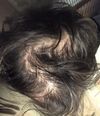
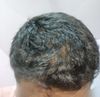
The user is considering using dutasteride or finasteride for hair loss and has recurrent folliculitis. Another user suggests treating the folliculitis and notes diffuse thinning.
The user experienced hair loss from age 16 to 24 and tried various treatments. Effective treatments included Finasteride, Minoxidil, and hair transplants, while thickening shampoos, biotin, laser hair therapy, and excessive exercise were ineffective.
The user has been experiencing prolonged hair shedding despite using Dutasteride, Minoxidil, and topical Finasteride, with blood tests showing high free testosterone and low SHBG. Suggestions include adjusting Minoxidil dosage, considering topical anti-androgens like RU58841, and addressing metabolic factors to increase SHBG.
The user has scheduled a hair transplant after stabilizing hair loss with finasteride and minoxidil, considering additional dermarolling. They are advised to use 2500-3000 grafts conservatively for temple filling without lowering the hairline too much.
A user shared their successful hair regrowth journey using finasteride, oral minoxidil, and oral dutasteride, expressing gratitude for the support received. The conversation includes congratulations and encouragement from others.
Hair loss discussion includes treatments like Minoxidil, Finasteride, and RU58841. Users share experiences and support, mentioning that many people face hair thinning.
The user experienced significant hair regrowth over two years using topical minoxidil and oral finasteride, with no side effects from finasteride. Despite initial skepticism from others, the user confirmed the progress was not due to a hair transplant.
A user shared their 4-year hair loss journey, starting with finasteride and minoxidil, then adding dutasteride and oral minoxidil, which improved their hair. They are now considering RU58841 and a hair transplant in the future.
A user experiencing hair loss despite using finasteride, minoxidil, and tretinoin. They're considering trying dutasteride or shaving their head if the situation doesn't improve.
The user improved diffuse thinning without finasteride by using minoxidil foam, cold showers, gentle hair drying, 2% ketoconazole, sulfate-free tea tree oil shampoo, dermastamping, and supplements like Omega-3, Vitamin-D, Biotin, Keratin, Collagen, B3, Zinc, and Magnesium. The regimen was followed for about six months under dermatologist guidance.
The user experienced significant hair loss due to health issues and is now using finasteride and minoxidil for nearly 3 months. They are hopeful about tiny hairs/dots indicating regrowth and are considering a hair transplant later in the year.
A 20-year-old is experiencing a receding hairline and thinning at the crown, using minoxidil 5% for 15 days. It is suggested to continue minoxidil and consider adding finasteride and ketoconazole shampoo for better results.
The user showed hair regrowth after two years using finasteride, minoxidil, micro needling, and ketoconazole shampoo, noticing significant improvement around 8-10 months without experiencing shedding. They achieved thicker hair and improved temples, allowing them to style their hair without wearing hats.
COVID and COVID vaccination can trigger hair loss, primarily telogen effluvium, due to stress and immune system activation. Proper diagnosis and addressing factors like nutrition and stress are crucial for recovery.
A 35-year-old shared a 2-month update on their hair transplant of 3153 grafts, noting redness, itching, and some pimples, while using finasteride for over 12 years to maintain hair. Users discussed the effectiveness and timing of starting finasteride, with some suggesting consulting a doctor for young individuals considering the treatment.
A user started using oral minoxidil (2.5 mg) and dutasteride (1 mg) for hair loss three months ago and noticed no side effects, possibly due to regular exercise. They speculate a possible link between COVID-19 and accelerated hair loss.
A 23-year-old male experienced significant hair thinning and started using finasteride, minoxidil, biotin vitamins, and DHT blocking shampoo. He saw reduced hair loss, thicker hair, and minimal side effects, encouraging others to try similar treatments.
A 23-year-old male switched to a topical solution containing Fin 0.1% and Min 5% from a previous solution with Fin 1% and Min 5%, noticing increased hair shedding. He is concerned about losing around 50 hairs while using ketoconazole shampoo.
The user is using dutasteride, oral and topical minoxidil, Nutrafol, Revita shampoo, ketoconazole shampoo, and a derma roller for hair regrowth. They plan to get a hair transplant next year.
A 23-year-old experiencing severe diffuse thinning after scalp inflammation is considering finasteride as a last resort after stopping minoxidil and using anti-inflammatory medication. Users suggest that inflammation causes temporary shedding and recommend consulting a dermatologist, with some advocating for finasteride as a reliable treatment option.
The user is experiencing severe hair loss despite using finasteride for 10 months and suspects scalp buildup might be contributing. Suggestions include using ketoconazole shampoo, consulting a dermatologist, and trying terbinafine cream.
The conversation discusses hair loss treatments, specifically the use of dutasteride, finasteride, and other methods like PRP, laser, and mesotherapy. Despite these treatments, the user is experiencing hair loss, and others suggest consulting a dermatologist, considering alternative treatments, and addressing potential scalp inflammation.
The user experienced continued hair loss and scalp itch despite using finasteride and switching to dutasteride. They sought advice on managing these issues, with suggestions including adjusting medication frequency and trying different shampoos.
The user experienced significant hair regrowth after taking oral finasteride and minoxidil for four months. They reported no major side effects and are pleased with the progress.
The user has been experiencing hair loss since having COVID and has low vitamin D levels; they are seeing some improvement in their crown and hairline after starting vitamin D supplements. Commenters suggest the hair loss pattern is consistent with male pattern baldness (MPD) and varies by individual.
The user is experiencing hair shedding despite starting finasteride 4 months ago, with no signs of miniaturization. They are seeking advice after normal blood tests and similar family experiences.
OP underwent a hair transplant (HT) and has been using finasteride for one year. Despite having thin hair, OP is happy with the results and feels more confident.
The user experienced hair loss starting at 16 and used finasteride and minoxidil, later switching to dutasteride and oral minoxidil, which improved hair thickness after an initial shedding phase. The user also noted the importance of using shampoo to manage dermatitis and maintain scalp health.
A user shared their hair loss journey, detailing two hair transplants and various treatments including finasteride, minoxidil, PRP, and exosomes. They found success with a regimen of topical dutasteride, minoxidil, derma stamping, and caffeine shampoo, leading to improved hair growth and satisfaction.