Search
for
Sort by
Community Join
810-840 / 1000+ resultscommunity Adding finasteride into stemoxydine
The conversation discusses adding finasteride (Propecia) to a liquid containing stemoxydine for hair loss treatment. The user is inquiring about the effectiveness of this combination.
community 4 months on fin 1mg daily only - can sum1 explain? 9/10 experience
community Fixing DHT Itch (scalp inflammation) with Aloe Vera gel & more
Aloe vera gel can help reduce scalp inflammation and "DHT itch" associated with hair loss, particularly in those with androgenic alopecia and seborrheic dermatitis. It's suggested to use aloe vera alongside treatments like finasteride and ketoconazole shampoo to manage symptoms and promote scalp health.
community 1 Year Estradiol HRT, Oral Finasteride, Bicalutamide, Cyproterone. (20MTF)
The conversation discusses a 20-year-old transgender female's one-year experience with hair loss treatments, including Estradiol HRT, oral Finasteride, Bicalutamide, and Cyproterone. Specific treatments used for hair loss are oral Finasteride and potentially Estradiol as part of hormone replacement therapy.
community Has anyone used Dutanol or Dutaheal (Indian generic) or other dutasteride tablets?
People are discussing switching to Indian generic dutasteride tablets like Dutanol and Dutaheal due to cost concerns, with some users reporting positive results when taken with a high-fat meal. Users have shared experiences with different brands, noting varying effectiveness and side effects compared to finasteride.
community Is anybody here combining oral dutasteride with topical dutasteride?
A user is considering combining oral and topical dutasteride to lower scalp DHT more effectively and is seeking advice on this approach. They are thinking about doing a patch test on their mid scalp.
community A concern regarding the upcoming androgen degrader drug GT20029
GT20029 is a topical treatment that degrades androgen receptors to prevent hair thinning and loss, potentially offering fewer side effects than systemic treatments like finasteride. Concerns include its impact on hair texture and potential systemic effects, with market availability speculated in 3 to 5 years.
community Topical finasteride carrier/vehicle
The user is considering making a homemade topical finasteride solution using an ethanol-based carrier. They are inquiring if a solution containing partially denatured ethyl alcohol and benzalkonium chloride is suitable.
community Injectable and biofunctionalized fibrin hydrogels co-embedded with stem cells induce hair follicle genesis.
community Injectable and biofunctionalized fibrin hydrogels co-embedded with stem cells induce hair follicle genesis.
community What are the alternatives to spironolactone for AGA?
The user experienced side effects from spironolactone and is seeking alternatives for androgenetic alopecia (AGA), considering saw palmetto but unsure of its effectiveness. They are also exploring the possibility of using topical spironolactone, despite availability challenges.
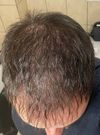
community Any experiences with fin/dut alternatives?
The user is exploring alternatives to finasteride and dutasteride due to concerns about side effects, and is using rosemary and jojoba oil, ketoconazole, minoxidil, microneedling, multi-peptide serum, saw palmetto, and stinging nettle for hair loss. They are also considering CB 03 01 and spironolactone.
community Injectable and biofunctionalized fibrin hydrogels co-embedded with stem cells induce hair follicle genesis.
community EU Shouldn't Ban Fin & Dut: PFS is NOT REAL.
Finasteride and Dutasteride do not cause depression or "Post Finasteride Syndrome," with concerns often linked to the nocebo effect and preexisting mental health issues. The EU is unlikely to ban these drugs, but access may become more restricted due to ongoing debates.
community cosmeRNA finally now it's pyrilutamide turn
Hair loss treatments discussed include cosmeRNA, minoxidil, finasteride, RU58841, and pyrilutamide. Users debate effectiveness, side effects, and upcoming treatments, with some expressing skepticism and others optimism.
community Peak efficacy ($18 for a 4 month supply)
The conversation discusses a hair loss treatment regimen involving a homemade topical solution of Minoxidil and Tretinoin, combined with Finasteride and microneedling. Users share advice on Tretinoin application, emphasizing gradual use to avoid skin irritation.
community Topical caffeine as an adjunct treatment. I think this should be considered.
community Is this "Hair growth complex" pill from sons anything?
The conversation discusses the effectiveness of a "Hair growth complex" pill, with skepticism about its ingredients like saw palmetto and anagain. Users suggest saw palmetto may help slightly with DHT-related hair loss, but it's less effective than finasteride or dutasteride.
community Isopropyl alcohol, instead of ethyl alcohol, for topical finasteride home-made serum?
Isopropyl alcohol should not replace ethanol in homemade topical finasteride serums due to potential toxicity with frequent use. Denatured ethanol, also known as parfum or cosmetic alcohol, is a safer alternative.
community Can Tazarotene Upregulate Minoxidil Conversion Like Tretinoin?
Tazarotene's potential to enhance Minoxidil conversion, similar to Tretinoin, is questioned. Users discuss the lack of information and seek further details.
community Serum DHT CAN'T cause hair loss. Sebum DHT is a better measurement.
Serum DHT is mostly inactive; sebum DHT is a better measure for hair loss. Users discuss using finasteride, dutasteride, and topical treatments like KX826 and RU58841 for better scalp DHT suppression.
community PP405 is NOT gray market jxl069
PP405 is a safer alternative to JXL069 for hair loss treatment because it penetrates the skin effectively and degrades in the blood, avoiding systemic toxicity. JXL069, when forced into the body, can cause dangerous side effects like lactic acidosis due to its inability to degrade safely.
community Making minoxidil + azelaic acid type recipes?
The conversation is about making a hair loss treatment combining minoxidil with azelaic acid, retinol, and caffeine, similar to the product Xandrox. The user has tried Xandrox but switched to Kirkland minoxidil for cost reasons and is seeking advice on creating a similar mixture.
community 14 months on Fin, Total T 899, serum DHT 276 — high total T may still drive scalp DHT even when blood levels look controlled
A 23-year-old male has been using finasteride and topical minoxidil for 14 months with slight improvement, but recent shedding led him to switch to a new minoxidil formulation without success. He is considering using topical RU58841 or dutasteride to better address scalp DHT, as his bloodwork shows high total testosterone and mid-range DHT levels.
community Pumpkin Seed Oil Orally: Safer than Fin with promising results?
community We Need A Solution For The Inflammatory Response related To AGA
The conversation is about finding a solution for scalp inflammation related to AGA, with the user expressing frustration that Minoxidil and Finasteride do not address inflammation. The user has researched glucocorticoids and topical NSAIDs for reducing inflammation and seeks advice from specialists.
community Non-Fin Super Regimen (Fluridil, Min, Stem, Niz, Viviscal, Broccoli Sprouts, Derma)
Hair loss treatments discussed include Fluridil, Minoxidil, Stem, Niz, Viviscal, Broccoli Sprouts, and Derma. One user claims most treatments are ineffective, while another supports Eucapil.
community My Dutasteride story(long but it will be beneficial for all the guys who experienced the same)
The user experienced excessive scalp oiliness and high testosterone levels after switching from finasteride to dutasteride. They plan to manage their condition with finasteride and are considering spironolactone to reduce testosterone and restore dry skin.
community high estrogen levels after 10month fin
A user experienced high estrogen levels after 10 months of taking 1mg oral finasteride but is happy with hair regrowth. They are considering switching to topical finasteride and are also taking DIM and Zinc supplements.