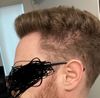
Hair loss discussion involved Finasteride, Minoxidil, and RU58841. User experienced sudden shedding after 1.5 years of Finasteride and Minoxidil use, seeking advice.
Finasteride can cause gynecomastia due to hormonal imbalances, and using an aromatase inhibitor like anastrozole can help manage these side effects. It's important to work with an endocrinologist to address these issues safely.
A user has been taking finasteride 1mg for 10 years without side effects but is concerned about high estradiol levels affecting weight loss. Another user suggests using estradiol blockers under medical supervision to manage the levels.
Finasteride and Dutasteride do not cause dry eyes by damaging meibomian glands, as these glands continue to function normally even when DHT is blocked. Some users report dry eyes with these medications, but others suggest supplements like Omega-3 or krill oil as potential remedies.
Finasteride made the original poster feel better, with increased energy and less frequent urination, but they were advised to see a doctor due to potential prostate issues. Some users reported positive effects like increased libido and reduced anxiety, while others experienced negative side effects like brain fog and erectile dysfunction.
A 28-year-old male noticed hair thinning and is considering treatments like minoxidil and finasteride but is concerned about finasteride's potential effects on epilepsy. He has tried microneedling, tretinoin, and minoxidil with slight improvement.
A user reported a 50% increase in testosterone after 18 months of taking dutasteride for hair loss. The conversation includes skepticism about the reliability of single testosterone tests and questions about estrogen levels.
A 19-year-old is experiencing aggressive hair thinning and has been on finasteride for six months with consistent shedding. They are considering switching to dutasteride and hoping minoxidil will work better afterwards, while others suggest patience with current treatment and adding dutasteride, RU58841, a good diet, and dermarolling for potential improvement.
The user is using topical dutasteride, finasteride, minoxidil, and tretinoin but seeing no results or side effects. They also microneedle every two weeks but experience little bleeding, questioning if a thick scalp is preventing treatment effectiveness.
The user is using minoxidil, topical finasteride, Nizoral shampoo, and a dermaroller for hair regrowth but is experiencing changes in sexual function. They are concerned about whether these changes are due to the treatment and are seeking advice on continuing hair growth without affecting sexuality.
Finasteride's effectiveness and side effects may vary based on male phenotypes, with some users noting differences in response related to body and facial hair characteristics. Some users report success with lower doses, while others experience side effects, suggesting individual variability in response to the treatment.
The user is experiencing side effects like light-headedness and breathlessness from taking Dutasteride, Minoxidil, and Biotin orally. They are considering taking the medication at night to alleviate these symptoms.
A user shared their experience using Dutasteride for hair loss, alongside a regimen of Minoxidil, Finasteride, and RU58841. They reported no major shedding or sexual side effects, but experienced mild acne when increasing the Dutasteride dose, and noted their hair condition remained stable.
Despite using finasteride for 1.5 years and oral minoxidil for nearly a year, hair shedding continues, prompting a dermatologist visit. Users discuss the inconsistency of treatments, with some experiencing worsened hair conditions and others noting side effects like increased shedding after workouts.
The user is concerned about having a straight, low hairline after a hair transplant and is unable to take finasteride due to high estrogen and prolactin levels. They have used minoxidil with limited success and are considering further transplants to lower the hairline, while others suggest the risks of using up donor hair too quickly.
The user has been on finasteride for 7 years and had a hair transplant, but is experiencing hair thinning and itchiness, particularly on one side, leading to concerns about male pattern baldness or other health issues. Despite having a full head of hair, the user is considering shaving it due to mental health struggles and is advised to consult a therapist and consider other treatments like minoxidil or dutasteride.
A 34-year-old male is experiencing hair loss on the sides of his head, with inflammation and itchiness, while the top remains thick. He is using topical dutasteride and keto shampoo to address the issue.
Dutasteride can cause hair shedding, which may start around the fourth month of treatment. The user is concerned about whether this shedding is due to the medication or the progression of hair loss.
A user has been taking finasteride for 5 months with no improvement in diffuse hair loss and suspects high levels of prolactin, cortisol, progesterone, and DHEAS, as well as iron, might be contributing to the issue. They are also taking vitamin D to address a deficiency.
The conversation discusses preventing hair loss during detransitioning, with suggestions to use finasteride or dutasteride as DHT blockers. The user is also considering rosemary oil and monitoring testosterone levels.
A user is considering starting finasteride for hair thinning but is concerned about side effects like low libido and gynecomastia. They plan to consult a dermatologist and are advised to test DHT, testosterone, and estradiol levels.
A 23-year-old male has been using oral finasteride and topical minoxidil for 14 months, along with derma stamping and vitamins, but is considering switching to dutasteride due to dissatisfaction with progress. Users suggest cutting hair shorter to better track progress, and some recommend adding dutasteride and possibly a hair transplant in the future.
The user experienced significant hair loss after 9 months of using 0.5mg dutasteride and oral minoxidil, possibly due to alopecia areata. It is advised to consult a doctor for accurate diagnosis and treatment, as dutasteride and finasteride may not be effective.
A person feels intense shame and self-hatred due to baldness and poor self-image, affecting their confidence and social interactions. Suggestions include therapy, exercise, braces, hair transplants, and using finasteride.
High-dose Dutasteride slightly reduces scalp itch, but adding RU58841 eliminates it completely. Some users report reduced itchiness and oiliness with Dutasteride, while others find topical anti-androgens more effective.
The user is frustrated with ongoing hair loss despite using treatments like dutasteride, finasteride, and minoxidil, and is considering shaving their head. They are advised to maintain consistency with medication, consider oral minoxidil, and explore hair transplant options.
After 2 years of using finasteride and minoxidil with good results, the user is experiencing severe scalp itchiness, shedding, and tenderness. Despite dermatologists finding nothing wrong, the user seeks over-the-counter treatments for the itch.
The user has been on dutasteride for 4.5 months after switching from finasteride due to hair thinning, and is experiencing significant hair loss despite also using minoxidil and microneedling. Many responses suggest that dutasteride takes time to show results, often requiring patience for up to a year or more, and recommend not stopping finasteride abruptly to avoid shedding.
The user is experiencing one-sided diffuse thinning and has been using finasteride and liquid minoxidil for 4-5 years with minimal results. They are considering whether to save for a hair transplant or address scalp sensitivity and irritation first.
A 22-year-old is frustrated with ongoing hair loss despite using treatments like topical minoxidil, finasteride, microneedling, oral dutasteride, and oral minoxidil. Their dermatologist suggests treating scalp inflammation with oral tretinoin and using exosomes for alopecia.