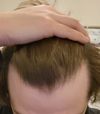
A 37-year-old male has been using finasteride for 5 years and dutasteride for 9 months to address hair loss, noticing improvements but also some recent thinning. He experienced no significant side effects from either treatment, except a slight decrease in semen volume with dutasteride, and is considering trying oral minoxidil again despite previous side effects.
A 19-year-old male experienced hair shedding after one year on dutasteride and is considering adding topical minoxidil despite scalp itching. Users suggest continuing dutasteride, maintaining a consistent hair routine, and possibly increasing minoxidil dosage.
OP used minoxidil for 15 months and pyrilutamide for 46 days, achieving desired results without side effects. Users discussed alternatives like dutasteride and finasteride, with concerns about side effects like erectile dysfunction.
The user has been on finasteride for over four years without noticeable results and recently added dutasteride and RU58841, but continues to experience hair loss. They are considering stopping all medications due to lack of effectiveness and side effects like extremely dry eyes from dutasteride.
An 18-year-old male using minoxidil and finasteride is experiencing increased hair loss, possibly due to a shedding phase from finasteride. He also takes zinc, magnesium, calcium, and vitamin C, and is concerned about hair loss from his temples.
The user is experiencing diffuse hair loss despite using finasteride and dutasteride and is considering adding minoxidil, microneedling, or RU58841. They are also thinking about increasing the dutasteride dose or opting for a hair transplant, while being cautious about side effects.
A 19-year-old is considering whether to continue finasteride at 0.5mg every other day due to concerns about side effects. They are seeking advice on dosage frequency and potential side effects, noting no issues so far.
A 23-year-old has been using finasteride, dutasteride, and spironolactone to combat hair loss and hormonal acne, with mixed results and concerns about side effects. The user is experimenting with spironolactone despite its potential risks, hoping for skin and body hair improvements.
After 2 years of using finasteride and minoxidil with good results, the user is experiencing severe scalp itchiness, shedding, and tenderness. Despite dermatologists finding nothing wrong, the user seeks over-the-counter treatments for the itch.
The user is using finasteride 1.25mg three times a week for hair regrowth and reports no significant side effects except watery semen initially. They also use a local caffeine shampoo and are considering haircuts to improve appearance.
The conversation discusses managing gynecomastia symptoms potentially caused by finasteride use, with treatments including reducing finasteride dosage, using DIM, ashwagandha, tamoxifen, epistane, and arimistane. Users share experiences and advice on balancing testosterone and estrogen levels to address symptoms.
Despite using dutasteride, RU58841, minoxidil, and ketoconazole for years, the user continues to experience severe hair loss and thinning. They seek advice after multiple dermatologists confirmed androgenetic alopecia (AGA) but offered no effective solutions.
The conversation is about managing allopregnanolone deficiency caused by 5-alpha-reductase inhibitors like finasteride or dutasteride. Specific treatments discussed for hair loss include Minoxidil, finasteride, and RU58841.
The discussion focuses on hair loss treatments, with suggestions to increase oral Dutasteride to 1 mg or more, as topical Dutasteride is less effective. Other treatments mentioned include RU58841, Minoxidil, and dermastamping, with some users recommending injectable mesotherapy and topical Finasteride.
Dutasteride may not effectively stop scalp hair loss and can cause thinning of facial and body hair, including eyebrows. Users suggest considering other causes like autoimmune conditions or vitamin deficiencies and exploring treatments like finasteride or minoxidil.
Men discussing hair loss treatments, including bicalutamide, cyproterone acetate, dutasteride, minoxidil, and RU58841. They share experiences and concerns about side effects like infertility, liver health, and feminization.
A 19-year-old tried oral minoxidil and finasteride for hair loss but experienced side effects like fatigue, dry eyes, and lack of motivation, leading to discontinuation. Suggestions included trying topical treatments, dutasteride, or accepting hair loss.
Consider increasing dutasteride dosage to 2.5mg daily and continue using oral minoxidil. Check DHT levels, thyroid, vitamin D, and consider additional treatments like microneedling, RU58841, and improving diet and lifestyle.
The user switched from topical to oral finasteride and minoxidil for hair loss and experienced swelling and sensitivity in the left chest area. They are concerned about these symptoms but noticed improvement after skipping a dose.
A 20-year-old is experiencing severe hair loss and is considering using dutasteride and finasteride, worried about potential side effects. They feel depressed and isolated due to hair loss, and are exploring options like hair transplants and hair systems but are hesitant about faking it.
The user is experiencing hair loss after a hair transplant and is considering using fluridil (Eucapil) and possibly alfatradiol as treatments, as they couldn't tolerate finasteride or minoxidil. The manufacturer of Eucapil confirmed they won't produce higher concentrations due to lack of efficacy.
The user started finasteride and minoxidil in December, increased the dosage after a few months, and noticed improvements around months 6 to 8 despite initial shedding. They experienced no side effects from finasteride but had to adjust minoxidil due to palpitations.
A user is experiencing anxiety and insecurity about hair loss despite using finasteride for 19 months and oral minoxidil for 6 months. They are seeking advice on whether stress, scalp testosterone, or switching treatments could help, and are considering a buzzcut.
People are discussing JXL-069 (PP405) for hair loss, with some experimenting with a 0.05% topical gel. Concerns about safety and efficacy persist due to limited testing and lack of official approval.
A 23-year-old male has been using Dutasteride for 10 months, alongside topical Minoxidil and Ketoconazole, but is experiencing increased hair thinning, particularly at the crown. Despite trying different dosages and treatments, including a brief attempt with oral Minoxidil, the user is frustrated with the lack of improvement and is seeking advice from others with similar experiences.
A user reported increased shedding and some side effects like ball ache and potential watery semen after taking 0.25mg of finasteride daily for two months, but noted a high sex drive and considered the shedding a possible sign of new hair growth. Other users discussed dosage differences, with some suggesting starting with a smaller dose and monitoring effects, while others shared their experiences with no shedding or hair growth yet.
The user experienced significant hair loss after 9 months of using 0.5mg dutasteride and oral minoxidil, possibly due to alopecia areata. It is advised to consult a doctor for accurate diagnosis and treatment, as dutasteride and finasteride may not be effective.
Hair loss was triggered by a testosterone and Masteron cycle, causing scalp tension and shedding. Topical finasteride, RU58841, and oral minoxidil were used to stop shedding and improve scalp condition.
User tried oral and topical finasteride for hair loss but experienced headaches and concentration issues. They ask for advice on whether to continue or try other treatments like alfatradiol, fluridil, or pyrilutamide.