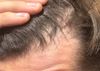
User experienced scarring from microneedling at fast speed and paused treatment for 3-4 weeks to recover. Advice given includes waiting a full month for recovery to avoid scars.
Microneedling, especially when combined with minoxidil, is generally considered effective for hair regrowth, though results vary by individual. Some users report enhanced results, while others caution about potential scarring and recommend professional guidance.
A 22-year-old female with AGA due to PCOS is using 5% minoxidil foam and 2mg finasteride daily, and is seeking advice on microneedling frequency and safety. Concerns about finasteride dosage and its effects on PCOS were discussed, with emphasis on trusting the prescribed treatment plan.
The efficacy of microneedling for hair regrowth as either a stand-alone therapy or adjunct to Minoxidil, and whether Tretinoin is a safer and more effective option. Replies include personal accounts from users who have had success with microneedling in combination with minoxidil and peptide serums, as well as considerations of technique, depth, and potential scarring.
A user who has had positive results from using a regimen of microneedling, finasteride, minoxidil, peppermint oil, keto shampoo and DHT organic shampoo for hair growth. The conversation also addressed whether to use .5mg or 1mg of finasteride and the difference between dermapens and rollers.
Microneedling at 1.5 mm should be done every 4 to 6 weeks, not weekly, to prevent scalp trauma and improve hair growth. The user is also using 0.5 mg dutasteride daily, 5 mg minoxidil daily, and started RU58841 two months ago.
A 24-year-old is experiencing hair loss and is considering microneedling due to side effects from finasteride and saw palmetto. They are contemplating combining microneedling with a 3-in-1 treatment to manage hair loss until age 30.
The conversation discusses using microneedling with growth factor serum, PRF injections, dutasteride, oral and topical minoxidil, and topical exosomes to treat hair loss, particularly on the crown. OP plans to microneedle twice a month and seeks feedback on Korean growth factor serums.
User shared successful hair regrowth results using Minoxidil and Microneedling with a Dr. Pen M8 model. Discussed routine, needle depth, and frequency for optimal results.
A 25-year-old woman is experiencing hair loss and has started microneedling with a 0.5mm roller, applying a mix of essential oils overnight. She questions whether to switch to a 1.5mm roller and the best order for her routine, while a reply suggests using Minoxidil for better results.
The user is updating on their 3-month progress using minoxidil (0.5mg twice daily) and microneedling once a week. They plan to consult a doctor about adding finasteride to their regimen.
A user is using microneedling and rosemary/peppermint oil to treat hair loss, avoiding chemicals due to potential side effects. They have seen baby hairs growing after five weeks and plan to continue for a year.
Stopping microneedling may result in losing hair gains, as it enhances the effectiveness of treatments like minoxidil. Combining microneedling with minoxidil and finasteride is more effective than using microneedling alone.
The user has seen great results from microneedling but is worried it might lead to faster balding without medication. They are considering adding Finasteride or Dutasteride to their routine to address underlying DHT issues.
A user experienced a dry, scaly scalp two weeks after microneedling with a dermapen at 1mm and applying Rogaine foam. They tried moisturizers and coconut oil without success and are seeking advice.
The conversation is about using Verteporfin with microneedling as a potential hair loss treatment that may regenerate hair follicles with minimal scarring. There are concerns about the optimal dosage and the DHT sensitivity of the new follicles.
The user shared 60-day progress using 5% topical minoxidil, 1mg finasteride, and recently started microneedling with a derma stamp. Users commented on the difficulty of seeing changes due to hair length and even thinning.
Applying lavender essential oil before microneedling is discouraged due to potential skin irritation. Microneedling followed by oil application, like black castor oil, is more common and may benefit hair and scalp health.
Microneedling may worsen hair loss due to potential scarring and inflammation, with some users suggesting caution and proper technique to avoid damage. Alternatives like Minoxidil, finasteride, and RU58841 are implied as safer options.
Microneedling combined with minoxidil and finasteride initially showed significant hair growth, but stopping microneedling and reducing minoxidil use led to hair loss. Returning to the original routine may help regain lost progress.
Red light therapy for hair loss is controversial, with mixed results reported. Its effectiveness may depend on device quality and proper wavelength, and it is often used with minoxidil and finasteride.
Successful hair regrowth after six months using finasteride and topical minoxidil, with minimal side effects like anxiety. Finasteride was the main treatment, and minoxidil supported regrowth.
Many people feel self-conscious about hair loss during haircuts, with some using treatments like finasteride and minoxidil. Others cope by cutting their own hair or finding a trusted barber to manage thinning areas.
The user looks good bald and could enhance their appearance by gaining muscle and growing facial hair. Some suggest trying minoxidil and finasteride, while others recommend embracing baldness and focusing on confidence.
The user has been using 1.25 mg Finasteride and topical Minoxidil once a day for six months with positive results and no side effects. They emphasize the importance of continuing the medication to maintain hair regrowth and discuss the potential benefits and side effects of different dosages.
The conversation discusses hair loss treatments, specifically the use of dutasteride, finasteride, and other methods like PRP, laser, and mesotherapy. Despite these treatments, the user is experiencing hair loss, and others suggest consulting a dermatologist, considering alternative treatments, and addressing potential scalp inflammation.
The user is happy with hair regrowth after 5 months using topical minoxidil twice daily, oral finasteride once daily, derma stamping weekly, and Watermans shampoo. They noticed darker hair and stopped using creatine, suspecting it worsened hair loss.
Hair loss treatments like finasteride, minoxidil, and hair transplants are more accessible and effective now. Concerns about side effects and skepticism about new treatments like hair cloning and GT20029 remain.
Hair follicle cloning is claimed to be possible but not widely available due to potential safety issues, such as cancer risks. Current treatments like finasteride and dutasteride are not effective for everyone, and there is frustration over limited access to these medications.