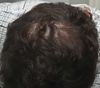
User made progress with topical Finasteride/Minoxidil and topical Dutasteride for hair loss. Microneedling at 1.5mm daily was also mentioned as part of the treatment.
The user is using finasteride, minoxidil, and microneedling for hair regrowth and has noticed some improvement after nine weeks. They report no significant side effects and plan to continue the treatment to see further results.
The user switched from finasteride to 0.5mg oral dutasteride and added 2.5mg oral minoxidil, along with occasional microneedling, to improve hair regrowth. They reported no side effects and are hopeful for continued progress, especially in the temple area.
A user shared their hair loss treatment routine, which includes oral finasteride 5 times a week and topical minoxidil twice a day, and plans to add microneedling. They reported positive results, with reduced bald spots and no side effects affecting libido or physical strength.
The conclusion of the conversation is that the user has experienced significant hair regrowth using a combination of medications, including dutasteride, RU58841, and minoxidil. They have not experienced any noticeable side effects and are considering a hair transplant in the future.
The user has been using finasteride and topical minoxidil for 8.5 months, with initial progress slowed due to stopping microneedling. They plan to resume microneedling and consider a hair transplant in the future.
A user is attempting to recover from severe hair loss using 1.25mg finasteride, 5mg topical minoxidil twice daily, pyrilutamide for a month, RU58841 for two weeks, and weekly microneedling at 1.5mm. They have seen new hair growth after two months and plan to continue the treatment for a year with the hope of regrowing enough hair for a transplant.
The user shared their 8-week hair regrowth progress using 0.5mg dutasteride, twice-daily topical minoxidil, and weekly 1.5mm microneedling. They noted visible improvement, though some users suggested reducing microneedling depth to avoid potential scalp damage.
The conversation is about DIY Dutasteride mesotherapy for hair loss, focusing on creating an injectable treatment to target the scalp and limit side effects. The user seeks feedback on enhancing the treatment with additional ingredients.
The user "BigBashMan" shared their progress pictures of hair regrowth after using a regimen of finasteride, minoxidil, microneedling, and Nizoral shampoo for about a year. They are happy with the results and attribute the microneedling as a potential factor for regrowth. Another user commented that they may see complete scalp coverage in another year.
A 42-year-old uses dutasteride, topical minoxidil, microneedling, and dermastamping for hair regrowth, reporting no side effects and noticeable progress over two years. The user takes 0.5mg of dutasteride and varies microneedling frequency, seeing early signs of new growth.
Finasteride and Dutasteride used in combination with RU58841 and microneedling, as a treatment for hair loss. There was discussion on progress of the treatment and potential other methods to consider.
The conversation discusses potential hair loss treatments focusing on stimulating IGF-1 at the follicle level using growth-factor cocktails and engineered peptides, such as Acetyl Tetrapeptide-3, Copper Tripeptide-1, Oligopeptide-20, Thymosin-β4, and Palmitoyl Tetrapeptide-7. It suggests that device-assisted delivery methods like microneedling may enhance effectiveness.
The conversation discusses using minoxidil and finasteride for hair loss, with concerns about absorption and considering adding tretinoin for better results. Microneedling is suggested as a method to improve absorption, with varying depths and frequencies recommended.
A user shared their 9-month progress using Minoxidil, Finasteride, microneedling, and Nizoral shampoo for hair loss, expressing great satisfaction with the results. They use a Min/Fin topical spray nightly, Minoxidil in the morning, microneedle twice a week, and Nizoral shampoo twice a week.
The conversation discusses the potential of using topical estrogen treatments for hair loss without systemic absorption, highlighting challenges and possible solutions like using estriol. It also mentions other treatments like topical finasteride, microneedling, and scalp massage, while noting the limitations and side effects of current options.
The conversation is about a hair loss treatment protocol involving microneedling, finasteride, RU58841, minoxidil, ketoconazole shampoo, and a scalp massager with oils. Some users advise starting with fewer treatments like finasteride, minoxidil, and microneedling to avoid potential side effects.
A 29-year-old man shows 3 months of hair regrowth using minoxidil 5%, oral dutasteride 0.5mg every other day, and occasional microneedling after overcoming fears about finasteride side effects. He is optimistic about further improvement.
The user shared progress pictures after 5 weeks of using 5% topical minoxidil, scalp massages, and microneedling for hair loss. They are considering adding finasteride but have decided to wait a few more weeks.
The user has been using 1mg finasteride and 5% minoxidil daily for three years and added microneedling a year ago to treat hair loss. They shared progress pictures and are open to further suggestions to improve results.
The user started using Hims Finasteride and Minoxidil topical in July 2023, added daily microneedling in November, and switched to chewable Finasteride and Minoxidil in January with increased microneedling frequency. They observed hair regrowth, suggesting diffuse thinning may be easier to treat.
The user experienced significant hair regrowth using finasteride, minoxidil, and microneedling, but saw a decline after reducing treatments and stopping gym workouts. They plan to restart microneedling and consider a hair transplant in the future.
A user's experience with the Big 3 (minoxidil, finasteride and RU58841) hair loss treatment along with dermarolling. The dermaroller pin was 1.5mm used once per week and drew some blood but not a lot.
Minoxidil can be effectively delivered through nanoemulsions containing eucalyptol or oleic acid, enhancing its diffusivity and targeting hair follicles. This contradicts the advice against mixing minoxidil with oils in topical formulations.
Hair mesotherapy with dutasteride is popular in Europe and can be effective, especially when combined with oral dutasteride. Some users suggest using topical dutasteride with microneedling as an alternative, though it may be painful.
After 7 months of using topical finasteride/minoxidil, microneedling, and Nizoral shampoo, the user believes they are seeing hair regrowth. They are seeking further advice to improve their results, excluding hair transplant options.
A 37-year-old user shared their positive 3-month progress using a topical solution of 5% minoxidil and 0.25% finasteride, combined with weekly microneedling and Nizoral shampoo. They reported no significant side effects and emphasized the importance of consistency and microneedling for hair regrowth.
The conversation is about a user's hair loss progress and treatment methods. The majority of users suggest shaving the head for better application of treatments like Minoxidil, microneedling, and oils. They also recommend adding finasteride and nizoral shampoo to the regimen.
The conversation is about using a blend of coconut oil, peppermint oil, and rosemary oil with minoxidil for hair loss, and whether it's safe to apply this blend after microneedling.