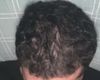
User experienced scarring from microneedling at fast speed and paused treatment for 3-4 weeks to recover. Advice given includes waiting a full month for recovery to avoid scars.
The post discusses microneedling for hair regrowth, with the original poster seeking experiences of those who didn't see positive effects. A reply suggests that while microneedling doesn't guarantee hair regrowth, it increases the chances if done correctly.
Microneedling the scalp can cause sneezing, runny nose, and watery eyes due to nerve stimulation, histamine release, reflex actions, or sinus relief. Several users experience similar symptoms.
A 3-month update on a microneedling-only project to treat hair loss, which has not had significant results in terms of thicker hair but may have seen some acceleration in hair growth and an increase in vellus hairs. The user plans to continue the journey for 6 months before making any changes, such as adding minoxidil or finasteride.
A 35 year old male who has seen good results from Finasteride and microneedling, with minimal side effects. Replies to the post ask about the device used for microneedling, discuss the progress made, and offer encouragement.
The conversation discusses using microneedling with copper peptides, specifically GHK-Cu, for hair loss treatment. Some users combine it with minoxidil and topical finasteride, applying peptides either topically or through injection.
User takes topical finasteride/minoxidil with little results, asks if microneedling helps for temple regions and if 0.5mm is enough. Replies suggest microneedling is effective and 0.5mm works, sharing personal regimens.
A 22-year-old is struggling with worsening hair loss despite using finasteride, minoxidil, and microneedling. They are seeking advice on whether to continue microneedling, feeling hopeless as their treatments have not stabilized or improved their condition.
The user is considering adding microneedling to their current hair loss regimen, which includes 1mg finasteride daily, 1.25mg oral minoxidil twice daily, and Nizoral once a week. Opinions on microneedling's effectiveness vary, but some suggest it could enhance results.
Microneedling with 0.6 mm needles combined with 5% minoxidil is more effective for hair count and thickness than minoxidil alone or with 1.2 mm needles. Biweekly microneedling at 0.6 mm depth is recommended for better results in treating androgenetic alopecia.
Microneedling and Platelet-Rich Plasma (PRP) are equally effective for treating androgenetic alopecia, with no additional benefits from PRP over microneedling. Both treatments are safe and well-tolerated.
Microneedling's effectiveness for hair growth is debated, with some suggesting it enhances minoxidil absorption, but evidence is inconclusive. Concerns exist about its impact on hair transplants, and opinions vary on its use with other treatments like RU58841 and stemoxydine.
Using tretinoin or tazarotene with minoxidil may eliminate the need for microneedling or dermastamping. Microneedling can enhance minoxidil's effects but may cause long-term scalp issues.
Microneedling combined with minoxidil is more effective for hair growth than microneedling alone. Optimal results are seen with weekly microneedling using 0.5 - 1mm needles and regular minoxidil application, avoiding minoxidil on the needled area for 24 hours.
Derma rollers may cause scarring alopecia, leading some to prefer dermastamps or dermapens for microneedling. Combining minoxidil with microneedling is effective, but proper technique and healing time are essential to prevent damage.
The conversation discusses the use of a derma roller versus a derma stamp for microneedling to prevent hair loss. The user has been using topical minoxidil for 2 months without results and seeks advice on needle length.
The conversation is about using RF microneedling with ExoHealer, along with finasteride and minoxidil, to improve hair thickness and reduce shedding. The user reports noticeable improvements in scalp texture and oiliness, with plans to consider stem cell treatments in the future.
The user experienced hair loss after switching to daily microneedling and stopping tretinoin, while continuing oral finasteride, minoxidil, and other treatments. The consensus suggests daily microneedling is excessive and harmful, recommending less frequent sessions to allow healing.
A user is using microneedling and rosemary/peppermint oil to treat hair loss, avoiding chemicals due to potential side effects. They have seen baby hairs growing after five weeks and plan to continue for a year.
User asks where to purchase exosomes/AAPE for microneedling hair loss treatment. Links to research on hair regeneration therapy, stem cell therapy, exosome therapy, and dermal exosomes provided.
Microneedling, comparing dermarollers and dermastamps as treatments for hair loss, and the effectiveness of each. Dermastamps are considered cheaper than dermapens, but users have varying opinions on which method is more effective with less pain.
The conversation discusses choosing between titanium fixed needles and a pen with disposable needles for hair loss treatment at a 1.5mm depth. The preference is for disposable needles for better sanitization.
A 20-year-old user shared progress on hair regrowth after using Minoxidil 5% and 1mg Finasteride for four months, noting improvements in hairline thickness, especially at the temples, with no side effects. The user also started using a derma roller recently and plans to update progress every few months.
An 18-year-old male using minoxidil and finasteride is experiencing increased hair loss, possibly due to a shedding phase from finasteride. He also takes zinc, magnesium, calcium, and vitamin C, and is concerned about hair loss from his temples.
The user is experiencing continued hair loss despite using Dutasteride 1.5mg and previously Finasteride. They are considering combining Finasteride with Dutasteride and exploring other options like saw palmetto, but avoid Minoxidil due to excessive body hair growth.
A 23-year-old male using minoxidil once daily is concerned about hair loss and hesitant to use finasteride due to potential side effects. Suggestions include adding finasteride, exercise, cold showers, spicy food, infrared exposure, sunbathing, and tretinoin.
PP405 targets hair follicle stem cells differently than exercise-induced lactate, suggesting exercise alone may not replicate its benefits. Minoxidil and finasteride are recommended alongside exercise for hair regrowth, with additional suggestions like spicy food and infrared exposure.
The user has been using topical minoxidil and oral dutasteride since October of last year and has seen significant hair regrowth progress. They started noticing improvements in the second month and are encouraged to continue the treatment despite initial shedding.
A 32-year-old is pleased with hair growth results from using oral finasteride (1.2mg) and minoxidil (3mg) without side effects, after switching from topical minoxidil. They report no shedding and increased facial hair density, and they purchase the combo pill from the Hims brand.