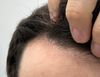
A user's experience with microneedling monotherapy and potential treatments such as finasteride, minoxidil, Stemoxydine, rosemary oil, peppermint oil, and RU58841 for reversing hair loss.
The conversation discusses the correct method of microneedling for hair loss, questioning whether it should be done on areas with long hair without risking hair damage, and if it's necessary for improving blood flow to existing hair. No specific treatments were mentioned.
Microneedling for hair loss involves using a derminator pen at a depth of 1-1.5mm, typically once a week or biweekly, with a 12-24 hour wait before applying minoxidil. Cleaning involves alcohol wipes, and it's advised to change needles after each use and avoid styling products on the day of microneedling.
The post discusses the confusion about the optimal microneedling depth and frequency for hair growth, and when to apply treatments like minoxidil. A reply suggests the best method is using a 1.25mm depth every 7 days with a specific device, holding it for 10 seconds to stimulate hair growth.
The user has been microneedling for 4 weeks and using treatments like minoxidil and eclipta alba oil, seeing positive but slow results. They are considering peppermint oil as a potentially more effective alternative to minoxidil.
Microneedling is often combined with minoxidil for hair growth, but concerns about scalp damage, pain, and effectiveness deter some users. Alternatives like finasteride, dutasteride, tretinoin, and laser treatments are preferred by others.
Microneedling's effectiveness for hair growth is debated, with some users reporting positive results when combined with minoxidil and finasteride, while others experienced scarring and no benefits. Needle depth and frequency vary, with some suggesting 0.5-1mm as effective, but caution is advised to avoid overuse and potential harm.
Microneedling once a week at 1mm caused bumps, possibly scars, in the treated area. The user is considering cleaning the skin before microneedling to prevent this issue.
Microneedling can cause skin shedding and inflammation, with some users adjusting needle size or frequency to reduce these effects. Some users combine microneedling with treatments like minoxidil, while others prefer smaller needles or alternative treatments like dutasteride.
The conversation discusses experimenting with microneedling for hair loss, with OP considering using a 3mm derma-stamp. Other users advise against going beyond 1.5mm to avoid damage.
The conversation humorously discusses hair loss treatments, specifically mentioning microneedling, Minoxidil, finasteride, and RU58841. Users joke about using a new microneedling tool to combat hair loss.
Microneedling may enhance hair loss treatment by increasing the effectiveness of topical minoxidil, especially for those lacking the necessary enzyme to activate it. It might also work by triggering growth factors and improving topical absorption.
The conversation discusses using high molecular weight hyaluronic acid after microneedling to form a protective barrier, though it's considered expensive and offers marginal improvement. Users share experiences with different microneedling tools like derma rollers, dermastamps, and Dr. Pen, with some opting not to use any products on the scalp.
Intense microneedling with heavy pressure and bleeding did not improve hair growth after 4 months. The user advises against this method, noting no benefits and potential harm, and mentions using minoxidil without success.
The conversation discusses concerns about microneedling potentially causing damage before a hair transplant, with users sharing their experiences and techniques. Specific treatments mentioned include using a dermapen at various depths and speeds, with some users advising against self-treatment.
The user has been using Minoxidil and Finasteride for over a year with limited success and is now trying microneedling. They seek advice on using hyaluronic acid to help the microneedling pen glide smoothly on the scalp.
Using lice as an alternative to microneedling for hair loss treatment, with concerns about effectiveness and practicality. Some users humorously suggest genetically altering lice to produce beneficial compounds.
Microneedling is still considered effective for hair growth, especially when combined with minoxidil, though it is time-consuming. Some users report significant success with consistent use, while others find it less popular due to the effort required compared to topical treatments alone.
A user switched from a 1.5 mm derma roller to an adjustable dermastamp for microneedling to treat hair loss and found it less painful and more effective. Some users prefer different depths and tools like the Dr.Pen for microneedling, while others debate the necessity of depth and tool type.
A user tried microneedling for hair loss with a Dr. Pen at 0.8 mm and experienced bleeding, questioning if the intensity was too much. Others suggested a less aggressive approach, and one mentioned finasteride as a helpful treatment without side effects.
The conversation discusses using microneedling with growth factor serum, PRF injections, dutasteride, oral and topical minoxidil, and topical exosomes to treat hair loss, particularly on the crown. OP plans to microneedle twice a month and seeks feedback on Korean growth factor serums.
A user discusses their experience with at-home microneedling at 1mm for hair growth, feeling like they're hitting their skull. Other users suggest lowering the needle depth or stopping due to discomfort.
The conversation discusses the steps for microneedling, specifically differentiating between medical needling (0.5-1.5mm) and cosmetic needling (0.3mm). It emphasizes the importance of cleaning and disinfecting before microneedling, regardless of needle length.
Microneedling is unlikely to damage existing hair if done with a device using a smaller needle count, like a 9-needle cartridge, and a stamping motion. Hair follicles are deeper than the typical needle penetration depth.
The conversation is about using microneedling for hair loss treatment, including questions on disinfection and post-treatment care. The user mentions using oral minoxidil and finasteride, and considering dutasteride.
Follica's preferred microneedling protocol for hair growth, which includes needle depth, frequency and movement parameters as well as the use of topical treatments such as minoxidil and finasteride.
The conversation discusses microneedling for hair loss, with the original poster experiencing pinpoint bleeding after using needles of 1.25mm and 0.5mm, possibly due to adding GHK-Cu to their treatment regimen. They are inquiring if others bleed at similar depths.
The conversation discusses microneedling for hair loss, with one user trying 0.3mm daily without feeling pain and questioning its effectiveness. Another user suggests that 0.3mm is too shallow and recommends 0.5mm twice a week or 0.75mm once a week for hair growth.
The conversation discusses microneedling for hair regrowth, emphasizing the importance of disinfecting the scalp to avoid infections. It also mentions using minoxidil and castor oil in the treatment routine.
User is considering microneedling to enhance hair regrowth after limited response to minoxidil and better results with finasteride and ketoconazole shampoo. Recommendations include using a 1.5mm derma roller once a week, avoiding minoxidil on microneedling days, and disinfecting the roller with isopropyl alcohol.