PP405 is likely a scam, with concerns about its legitimacy and safety, as it may cause unintended tissue growth. Users suggest sticking to known treatments like finasteride and minoxidil.
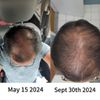
The user experienced significant hair regrowth using minoxidil, microneedling, and estrogen, leading to a need to tie their hair back. They attribute the success to estrogen suppressing testosterone, alongside their routine of minoxidil, microneedling, and supplements.
A user suspects Ritalin is causing hair loss due to vasoconstriction and is considering trying Ginkgo Biloba after already taking a multivitamin and hair supplement. Another user mentions experiencing hair shedding with Vyvanse and Dexedrine.
Oleic acid, microneedling, and emu oil are discussed as potential hair growth treatments, with some users expressing skepticism about their effectiveness. Minoxidil and finasteride are recommended as current reliable treatments until more proven solutions are available.
The conversation discusses HMI 115, a new hair loss treatment with promising results, showing a significant increase in hair density after two months. Some users are skeptical, while others are hopeful for its release and potential affordability.
Microneedling with topical minoxidil is effective for hair regrowth, especially with finasteride. Users report fewer side effects compared to oral minoxidil.
The user experienced hair loss due to androgenic alopecia and chose to use essential oils (rosemary and peppermint) and microneedling instead of minoxidil or finasteride. They reported positive results after 24 days and plan to continue with these treatments.
The user experienced significant hair loss after extended fasting, initially thought to be Telogen Effluvium, but later suspected male pattern baldness. They tried finasteride briefly but stopped due to concerns about side effects, and are unsure if the hair loss is due to Telogen Effluvium or another cause.
A user shared their positive experience with a hair transplant at Eugenix in India, noting the professionalism and natural results. They mentioned using 2815 grafts and discussed the clinic's controversial name, but did not mention using specific treatments like Minoxidil or finasteride.
The conversation is a humorous discussion about excessive hair growth due to using minoxidil, with suggestions of laser hair removal and comments on the appearance of the hair. Some users joke about starting finasteride treatment at a young age or being non-responders to hair loss treatments.
A 21-year-old is using a combination of topical finasteride, topical and oral minoxidil, a liquid multivitamin, collagen powder, liquid biotin, microneedling, and red light therapy to address hair thinning. They are cautious about side effects and unsure if their hair loss is due to DHT or past brushing habits.
A 36-year-old male has been using finasteride, 5% minoxidil foam, and microneedling with a 0.75mm dermastamp or Dr. pen for three months. He notices thicker hair and reduced hair loss, with high testosterone and normal DHT levels, while managing prolactin levels with vitamin B6.
The post discusses the potential of upregulating aromatase to treat hair loss, suggesting that increasing CCL2 levels through Vitamin D or microneedling might help. The user questions why microneedling doesn't work for everyone, especially those with advanced hair loss.
Exosome treatment for hair loss is viewed skeptically, with one person calling it a scam. Another suggests sticking with finasteride and minoxidil instead.
Hypoxia may enhance hair growth by stimulating stem cells, but it could also risk fibrosis. Some users humorously discuss extreme methods like choking while using minoxidil, highlighting the need for new treatments.
The user is considering using Ruderma to maintain hair and is concerned about potential hair loss acceleration due to starting TRT. They are also inquiring about the use of minoxidil, RU58841, and a derma roller for hair maintenance.
Current treatments like finasteride, minoxidil, and derma rolling are considered the best for hair loss, while new treatments such as GT20029, PP405, and others are in various trial phases with results expected in the coming years. There is cautious optimism about the affordability and effectiveness of these upcoming treatments.
Cosmo Pharmaceuticals has enrolled about 850 out of 1400 patients for their phase 3 clinical trials of clascoterone (Breezula) and claims to be on schedule. The conversation is about hair loss treatments.
A 24-year-old male experienced an increase in estradiol levels and symptoms like gynecomastia and excessive sweating after using Minoxidil for hair loss. His estradiol levels decreased after he stopped using Minoxidil.
The conversation is about the frequency of applying peppermint oil and rosemary for hair loss and what carrier oil is best to use. People are sharing their results from using these treatments.
Exploring future hair loss treatments, including immunosuppressants for hair transplants and hair cloning, with a focus on leveraging research from other medical fields. Current treatments like finasteride and minoxidil are effective for most, but there's a call for more funding and innovation in the hair loss industry.
OP is using 5% minoxidil and a needler to regrow hair after chemotherapy-induced hair loss. Another user mentions using finasteride and topical minoxidil, noting some improvement in hair density.
A user started using RU58841 for hair loss and experienced anxiety and physical discomfort. Other users suggested avoiding the treatment due to similar side effects and recommended alternative treatments like pyri.
The conversation discusses various absurd theories about the causes of male pattern baldness, with some users suggesting treatments like oral dutasteride. It highlights misinformation and humorous myths, such as hair loss being linked to testosterone levels or masturbation.