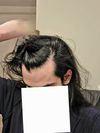
A user shared a 3-month progress picture showing hair regrowth using 5% Minoxidil and microneedling, but not taking Finasteride. Some users are surprised by the quick results, and there's a discussion about the effectiveness of frequent deep microneedling.
Fin and minoxidil, in combination with dermarolling, as an effective path for hair growth. The post also provides advice about needle depth and frequency, as well as other treatments (foam and oral) which may be beneficial.
A 36-year-old male had a 3000-graft FUE hair transplant in Turkey, with 2000 grafts to the front and 1000 to the crown. Post-operation, he experienced nausea, dizziness, itching, and pain, but saw hair growth and plans to take pictures once redness subsides.
The user has been using minoxidil and finasteride for hair loss but is now considering microneedling due to recent hairline regression. Another user reassures that derma rolling causes only slight redness, which usually heals overnight.
The conversation discusses using minoxidil and tretinoin for hair loss, with advice on microneedling and topical application timing. Users share experiences with additional treatments like melatonin, spironolactone, and microneedling techniques.
The user is currently using oral finasteride for hair loss and considering adding Eucapil, dutasteride mesotherapy, and microneedling to their treatment regimen. They are seeking alternatives to minoxidil, such as Stemoxydine, due to concerns about minoxidil's side effects.
Microneedling with minoxidil significantly boosts hair growth, even for non-responders to minoxidil alone. The routine includes a 1.5mm dermaroller weekly and minoxidil twice daily, with some users adding finasteride and tretinoin.
User shared progress pictures after nearly 3 months of using 1mg finasteride and weekly microneedling, reporting significant hairline improvement. They feel much better about themselves due to the progress.
After one year of using 1mg oral finasteride and 5% minoxidil daily, along with initial weekly microneedling that later became biweekly, the individual's hair appears improved. They have stopped microneedling but continue with finasteride and minoxidil.
A user discusses their rapidly receding hairline and a prescribed topical solution containing 7% Minoxidil, 0.1% Finasteride, and 3% biotinoyl tripeptide. The solution is a custom compound from their dermatologist, costing $50 for a one-month supply.
The conversation discusses hair loss treatments, specifically using Minoxidil, microneedling, and finasteride. The user is concerned about worsening hair loss and is advised to consider finasteride.
Recruitment for a verteporfin trial and a separate hair cloning trial using verteporfin and other methods is underway, with locations in Jordan, NYC, Beverly Hills, and Memphis. Dr. Bloxham is conducting the hair cloning trial, and interested participants are encouraged to contact him directly.
Microneedling daily at 0.3mm combined with topical finasteride and minoxidil is effective for hair thickening, with added benefits from near-infrared therapy. The approach may not improve the front hairline, and deeper microneedling is done monthly for better results.
A 32-year-old is seeing positive hair regrowth after nearly three months using finasteride, oral and liquid minoxidil, and microneedling, and plans to add RU58841. They are considering switching to dutasteride and possibly a hair transplant in the future.
Combining microneedling and tretinoin with topical minoxidil involves discontinuing tretinoin a week before microneedling and resuming it a week after. Some people microneedle weekly, adjusting tretinoin use accordingly.
Microneedling frequency and depth, with suggested protocols involving 0.3mm every day before applying topical treatments like Minoxidil or Finasteride, and 0.5-1.5mm once or twice a month for wounding.
The post discusses using Mucuna pruriens, essential oils, and dermarolling for hair loss treatment. The user also mentions pausing testosterone-boosting herbs due to side effects like acne and hair loss.
A user shared their experience with hair loss treatments, including I-PRF injections, mesotherapy, and a topical solution containing Minoxidil and Finasteride. After experiencing side effects, they decided to stop the medicinal treatments and focus on natural alternatives like I-PRF, microneedling, and essential oils.
The hair transplant at Eugenix in New Delhi resulted in poor density and texture, with only about 2,500 grafts surviving out of 4,500. The user is considering holding the clinic accountable and exploring options like shaving, using hair fibers, or seeking another transplant.
The user experienced hair loss after switching to daily microneedling and stopping tretinoin, while continuing oral finasteride, minoxidil, and other treatments. The consensus suggests daily microneedling is excessive and harmful, recommending less frequent sessions to allow healing.
A user's hair loss treatment progress over the last 6 months using finasteride, minoxidil and dermarolling; other users have commented to ask questions or share their own experiences.
Rob English's scalp massages are discussed as a method to reduce DHT and stop hair loss, but many users criticize it as ineffective compared to treatments like finasteride, dutasteride, and minoxidil. Some users argue that alternative treatments like scalp massages and microneedling can work for some, but the community largely favors the "big three" medications.
A user shared their positive experience with a 1900-graft FUE hair transplant by Dr. Ko at Newhair Clinic in Korea, costing $6,000. The user expressed satisfaction with the results and mentioned no longer experiencing stress over hair loss, but did not specify using any medications like finasteride.
A user experienced hair regrowth after 3 months using finasteride, both topical and oral minoxidil, 0.5mm microneedling daily, and 300mg testosterone. They reported noticeable muscle gains and no side effects while being on testosterone replacement therapy.
The user is using a topical spray containing finasteride, minoxidil, ketoconazole, and biotin for hair loss and plans to add weekly dermastamping, starting with a needle length of 0.6mm. They seek advice on the safety of combining these treatments, the impact of skipping one dose weekly, and the frequency of replacing the dermastamp.
A 30-year-old male is experiencing hair loss and is concerned about his receding hairline, seeking advice on his Norwood scale classification. He is apprehensive about using Minoxidil and finasteride as treatments.
Hair loss treatments discussed include dermarolling, minoxidil, finasteride, and RU58841. Some users find dermarolling sad, while others mention the complexity of biological systems and limited research funding for hair loss.
A user shared their year-long hair loss treatment using minoxidil, microneedling, and scalp massages, reporting moderate hair growth and stabilization. They suggest starting early with less harmful methods and consider adding finasteride or dutasteride if needed.
The user tried pyrilutamide for hair loss and noticed reduced scalp itch and improved skin but stopped due to mild heart sensations. They plan to update after consistent use, noting improved sleep when applied at night.