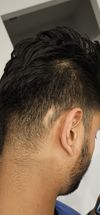
Hair loss possibly caused by chlorine and heavy metals in water was addressed by using a shower filter, ketoconazole shampoo, and PRP sessions, which stopped the hair loss but did not lead to regrowth. Other users suggested similar experiences and solutions, emphasizing the importance of a good water filter and patience for potential regrowth.
The conversation discusses using tretinoin for hair loss and whether applying SPF on the scalp is necessary if hair covers the treated areas. The user is considering this treatment despite having no completely bald patches.
The user discusses a galenic hair lotion containing progesterone, estradiol, cyproterone, hydrocortisone butyrate, and cetirizine pheniramine, which has effectively stopped their hair loss over two years. They are curious about the compatibility of finasteride with the lotion's components and note that their trichologist has successfully used minoxidil and finasteride in similar treatments for others.
PP405 is seen as a potential breakthrough for converting vellus hairs to terminal hairs, with users expressing both hope and skepticism. It is compared to treatments like minoxidil and finasteride, with discussions on side effects and marketing concerns.
The conversation discusses the difference in attitudes toward hair loss treatments, with a focus on lifestyle changes and hair transplant surgery in Hong Kong, as opposed to treatments like minoxidil, finasteride, and microneedling discussed on 'tresless'. The user is now using finasteride and minoxidil and considering microneedling.
Topicals like minoxidil and finasteride should reach the scalp, but excessive massaging can cause hair to fall out. The evaporation felt is likely the carrier substances like alcohol or propylene glycol.
A user tried various treatments for hair loss, including Metanx, Nizoral, hair transplants, and scalp massages, with limited success. They recently experimented with Botox injections in the scalp, which significantly reduced scalp itch and shedding, though it's too early to see regrowth.
Topical estrogen or estradiol for hair loss is being discussed for its effectiveness compared to finasteride. Users are sharing their experiences and opinions on its potential benefits.
27-year-old female experiences aggressive hair thinning and hirsutism despite normal testosterone levels. Spironolactone and 2% minoxidil were ineffective; high DHEA sulfate levels may be the cause.
The conversation is about using PTD-DBM and valproic acid for hair loss. The user is inquiring about the dosage of these treatments, noting that valproic acid is used at a 7.5% solution.
User suggests rotating scalp 180 degrees to address hair loss. Others discuss sanity, ethics, and similar procedures like scalp reduction and hair transplants.
Oral minoxidil may require potassium for effectiveness, and diuretics taken for water retention might affect this process. The user plans to start taking potassium to address potential issues with minoxidil's effectiveness.
The conversation humorously suggests that elites with full hair are suppressing a hair loss cure to maintain their dating advantage. It mentions treatments like hair systems, hair transplants, and medications such as Minoxidil and finasteride.
Taurine shows potential in combating hair loss caused by chemical stress, especially when combined with other treatments like finasteride. Finasteride demonstrated better stress-reducing effects in the study.
A user made a 70/30 ethanol/propylene glycol topical finasteride solution but noticed chunks at the bottom. The discussion focuses on this issue with the DIY hair loss treatment.
The user is using 0.1% dutasteride, 1% minoxidil with 2% procapil and 0.005% caffeine in the morning, and 1% minoxidil with 2% procapil and 0.01% tretinoin at night. They are concerned about the solution vehicle's effectiveness in preventing systemic absorption and ensuring the products stay around the hair follicles.
The user discusses the potential impact of external DHT in sebum on hair loss and plans to wash their hair daily with salicylic acid exfoliation. They believe this might help reduce hair loss despite internal factors.
Dr. Kyle Gillet mentioned on Dr. Andrew Huberman's podcast that dutasteride mesotherapy blocks DHT conversion only in the scalp and is the most promising topical treatment. Users discussed concerns about systemic absorption and the practicality of dutasteride injections.
The conversation is about hair care for someone who sweats daily at the gym. Recommendations include using shampoo every day despite common advice against it.
Creatine may cause hair loss in some individuals, though there is no scientific consensus. Personal experiences vary, with some reporting increased shedding and others seeing no effect.
The conversation is about seeking advice on the potential benefits of two different hair sprays for hair loss, with a list of ingredients provided for each. Specific treatments were not discussed.
The conversation discusses the role of DHT in male hair loss and the effectiveness of treatments like Finasteride, which reduces DHT, and RU58841, which blocks DHT from binding to scalp receptors. The user debates the trade-offs between maintaining hair and having a healthy endocrine system, suggesting RU58841 might allow for both.
The user is experiencing erectile dysfunction and emotional numbness, possibly due to using Dutasteride for hair loss, and is considering switching back to Finasteride. They are seeking advice on whether this change might resolve their symptoms.
A user in the UAE is facing customs issues with ordering Fluridil (Eucapil) and is considering ordering smaller quantities or switching to Pyrilutamide. They are also using finasteride daily to maintain hair and are unsure of Fluridil's effectiveness.
User hears aunt's comment on hair loss during Easter gathering. Others discuss handling rude comments and share experiences with hair loss treatments like Minoxidil and Finasteride.
A user describes using a Dermastamp for microneedling their scalp, noting a crunching sound when pressing it firmly. Another user suggests the crunching might be from breaking up scalp calcification.
Creatine supplementation may increase DHT levels, potentially affecting hair loss. A study is examining this effect, with participants taking 5 grams of creatine daily for six months.
User discusses trying Low Level Laser Therapy (LLLT) for hair loss and its high cost. Another user shares their experience combining micro needling, minoxidil, and LLLT, seeing positive results after 2 months.